
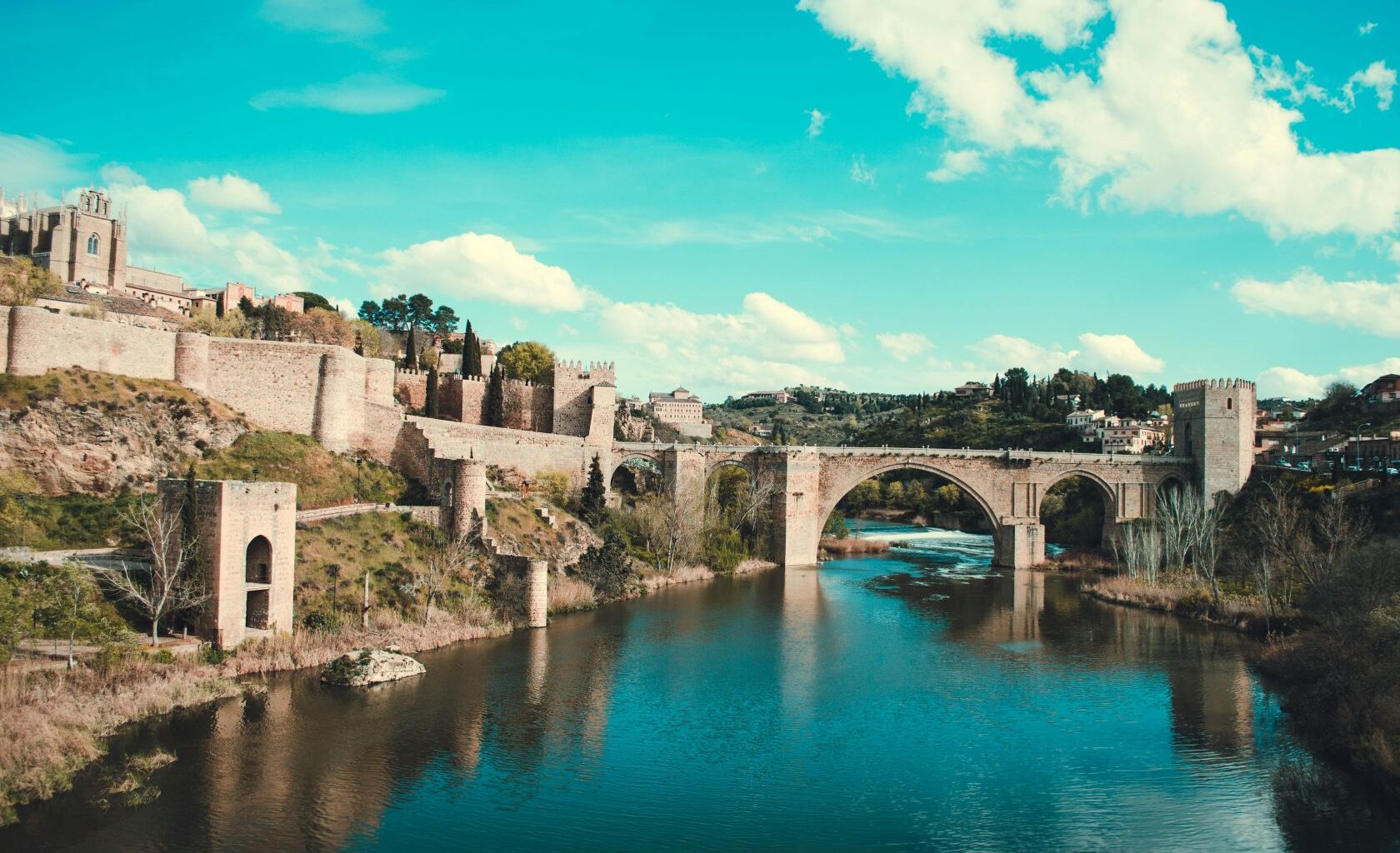
The earth is drying, the rivers are thinning, and the once fertile soils of Spain and Portugal are giving way to dust. Desertification is no longer a distant ecological concern but a looming reality that threatens to reshape southern Europe’s environment, economy and way of life.
Silent crisis
Mercifully, desertification doesn’t happen overnight. It begins quietly in parched fields, in the thinning shade of olive trees and in the gradual disappearance of wildflowers. Over decades, climate change, overgrazing, deforestation and unsustainable water usage have stripped the land of its former resilience.
Spain and Portugal sit at the cusp of an encroaching disaster. According to the European Environment Agency, more than 75% of Spain and around 60% of Portugal are now at risk of desertification. In the Spanish southeast, particularly in Murcia, Almería and Alicante, large areas are already displaying the hallmarks of a semi-arid environment. Portugal’s Alentejo region also faces increasing vulnerability as hotter summers and shifting rainfall patterns push the limits of its agricultural systems.
Climate: The relentless force of nature
The Iberian Peninsula is heating up faster than most of Europe. Rising global temperatures have brought much longer, hotter summers and shorter, less predictable winters. Rainfall, when it comes, often arrives in intense bursts rather than gentle, nourishing showers. This is a pattern that accelerates erosion with flash flooding whilst doing little to replenish groundwater.
In some regions of Spain, average annual rainfall has declined by as much as 20% over the past half-century. Portugal’s southern interior has experienced similar declines. Rivers like the Tagus (Tejo) and the Guadiana have long served as lifelines for agriculture and ecosystems. But water quantities are diminishing, their flows constrained by damming as more and more people demand their water. What was once a Mediterranean climate, characterised by balance, is slipping toward something more extreme: a climate teetering on the edge of an encroaching desert.
Agriculture on the brink
For centuries, agriculture has defined the Iberian landscape. Terraced vineyards, olive groves and vast wheat fields stretch across rolling plains, their rhythms dictating rural life. Yet these traditions now stand on shaky ground.
Overgrazing and intensive farming have depleted soils already weakened by a changing climate. The demand for high-yield crops, combined with the expansion of irrigation networks, has placed immense pressure on water resources. In Spain’s southeast, massive greenhouses produce vegetables for European markets year-round. But, alarmingly, they also draw heavily from dwindling aquifers. As water tables drop, saline intrusion from the sea compounds the situation, potentially rendering the land infertile.
In Portugal, the Alentejo faces a similar dilemma. Known for its wheat, cork and olive production, the region’s future is uncertain. As droughts lengthen, farmers are forced to adapt or abandon their fields altogether. Traditional dryland farming, once sustainable, is giving way to intensive monocultures, a short-term fix that exaggerates long-term vulnerability.
Ecological concerns
The environmental toll of desertification extends far beyond agriculture. Biodiversity suffers as natural habitats vanish. Shrublands and grasslands that once supported Iberian lynx, eagles and countless smaller species are quickly disappearing. Wildfires, fuelled by heat and drought, have become increasingly ferocious, devastating forests and releasing vast amounts of carbon back into the atmosphere.
Portugal, tragically, has been one of Europe’s most wildfire-prone nations in recent decades. The fires of 2017, which killed over 100 people, were a stark warning of what an overheated and overgrown countryside can become. In Spain, fires regularly sweep across rural provinces each summer. Often sparked by human activity but also fuelled by adverse climatic conditions that no longer leave any room for error.
As vegetation dies and soil erodes, the land’s ability to absorb rain diminishes. Floods alternate with droughts in a vicious cycle. Meanwhile, rural communities, often already in decline, face economic and social pressures as livelihoods disappear. The young migrate to cities, leaving behind ageing populations and abandoned land, further accelerating the spiral of desertification.
Human and cultural influences
Desertification is not just an ecological issue; it’s a human tale too. In many parts of Spain and Portugal, it threatens centuries-old traditions and ways of living that bind communities to the land. The shepherding routes of Extremadura, the vineyards of La Mancha, as well as the olive groves of Alentejo, are all at risk of being lost or transformed beyond recognition.
In villages where the soil has turned barren, depopulation is accelerating. Fields once green with wheat now lie fallow, and old stone farmhouses crumble under the relentless sun. The land, long a source of identity and pride, becomes a reminder of slow decline.
Fighting back
Yet, not all is lost. Across Spain and Portugal, scientists, farmers, and policymakers are joining forces in a concerted attempt to combat desertification through innovation and restoration.
In Almería, experimental projects are using reclaimed wastewater and precision irrigation to reduce water waste. EU-funded schemes are restoring vegetation cover in semi-arid zones by planting native shrubs and reforesting degraded areas. In Portugal, the Montado, a traditional agroforestry system combining cork oaks, grazing and crops, is being revived as a model of sustainable land use that helps to conserve biodiversity whilst maintaining productivity.
New technologies are also part of the solution. Satellite monitoring allows researchers to track soil degradation and water stress in real time. Drip irrigation systems, solar-powered desalination and drought-resistant crop varieties offer pathways toward sustainability.
But the battle cannot be won by technology alone. It requires a collective will to succeed. Regional cooperation and a shift in mindsets regarding extraction and regeneration will hopefully filter through, helping us all benefit in the longer term.
The Iberian landscape
Desertification challenges the very idea of what Spain and Portugal are and what they might eventually become. These lands have been shaped by the meeting of the sun and the sea, of mountains and plains, as well as of endurance and adaptation. The struggle against creeping desertification may yet become a defining chapter.
If handled with foresight, it could spark a renaissance in sustainable agriculture, renewable energy and ecological restoration. Abandoned villages might find new life through eco-tourism and regenerative farming. The dry lands of today could become the laboratories of tomorrow. A place where humanity learns to live within our planet’s means.
A shared future on the edge of a creeping desert
As the Iberian Peninsula faces a hotter, drier future, its response will echo far beyond its own borders. Desertification is not confined to Africa or Asia; it is right here in Europe’s southwest, unfolding quietly but inexorably. The choices made now regarding how precious water resources are managed, how soil is protected and how the rural communities that have long marred the land are supported will determine whether Iberia’s heartlands become a barren desert or a testament to hope and resilience.
In the shimmering heat of Alentejo or the sun-bleached hills of Andalusia, the battle is already underway. It is a battle fought with spades and seeds, with science and community, as well as with local knowledge and wherewithal.