
The next meeting of the Reserve Bank Monetary Policy Committee (May 27) will include a full statement with updated forecasts and a new rate track.
In the meantime, with uncertainty about the global outlook still highly uncertain, the RBNZ was content to take a wait-and-see approach.
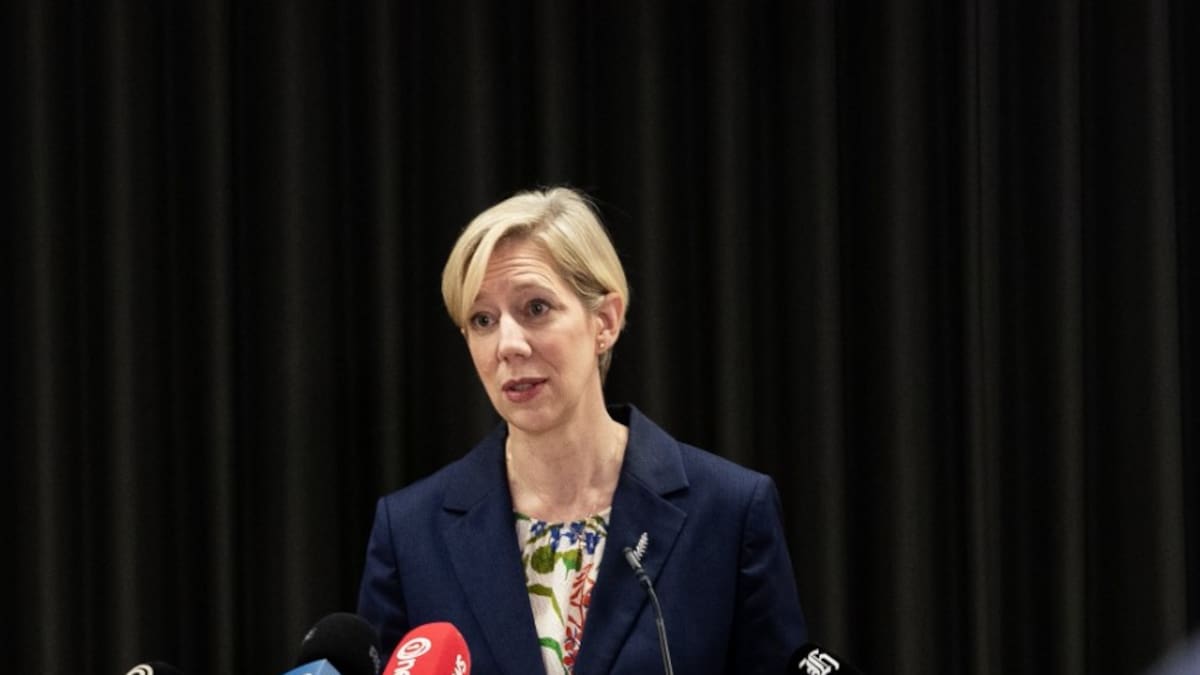
“If medium-term inflation expectations increase, then inflation is likely to become more persistent,” Breman said.
“However, weak demand and spare productive capacity in the economy should constrain the degree to which higher costs can be passed on.”
Breman noted that financial market conditions had tightened and mortgage rates had increased.
“This reduced the further stimulus that we expected in February from borrowers refixing at lower interest rates,” she said.
Ultimately, the net inflationary effect of the oil shock on the economy is not yet clear.
“Given the recency of the conflict, we currently don’t have much data on the likely persistence of higher near-term inflation or how much we expect the reduction in economic growth to be in the near term,” Breman said.
The February rate track suggested that the rate would stay on hold for most of this year.
Breman said the possibility of earlier rate hikes was discussed at the latest meeting.
“Some committee members had suggested that a rate hike in the near term might mean that we don’t have to do so many rate hikes going forward,” Breman said.
“But we also discussed the risk that could dampen the weak economic growth that we’re already seeing.
While Breman emphasised the balancing act, the market and some economists interpreted the discussions as a sign of a more “hawkish” tone from the RBNZ.
“The statement gave a strong indication that the bank is taking the inflationary risks of supply shocks more seriously than it did five years ago,” Infometrics chief forecaster Gareth Kiernan said.
“The bank recognises the downside risks to economic activity from the oil price shock, but it is less convinced that weaker growth will necessarily translate into more well-contained inflation,” he said.
ANZ’s Sharon Zollner noted: “Downside growth risks got plenty of airtime, but the last paragraph of the policy assessment had a stern tone, which the market read as hawkish.”
The Monetary Policy Committee was focused on ensuring that inflation returned to the 2% target midpoint over the medium term, the committee statement said.
“This requires core inflation and wage growth to remain contained and medium- and long-term inflation expectations to remain around 2%. If these conditions are not met, decisive and timely increases in the OCR [Official Cash Rate] would be required.”
ASB economists revised their OCR outlook and now expect 25 basis point hikes in September and December, with a 3.25% OCR endpoint by mid-2027.
“The RBNZ find themselves in an unenviable position,” ASB senior economist Mark Smith said.
The global economy has been upended by war in the Middle East, and while uncertainty is elevated and volatility is pronounced, the risk is that the current conflict and associated disruptions drag on for months despite the two-week ceasefire announced today.
The safest course of action was to wait until more clarity emerged, which is what the RBNZ appeared to have done, Smith said.
Liam Dann is business editor-at-large for the New Zealand Herald. He is a senior writer and columnist, and also presents and produces videos and podcasts. He joined the Herald in 2003.
Stay ahead with the latest market moves, corporate updates, and economic insights by subscribing to our Business newsletter – your essential weekly round-up of all the business news you need.