
The middle to tail end of this year is ”not looking particularly promising”, Dunn said.
“Things like international conflict and fuel shortages can really restrict the banks’ appetite to lend money. Less money equals less sales.”
Dunn’s warning runs as a potential counter to optimism that central Auckland’s troubles were beginning to turn.
After a decade of construction noise and a post-Covid hangover, the city was supposed to be entering its revival phase.
Tom Rawson, director of Ray White Auckland Central, said the city centre and apartment market had been weighed down by years of infrastructure building.
The $5.5 billion City Rail Link (CRL) build effectively shut down some streets, road cones took over Queen St and a number of apartment complexes were wrapped in plastic for remediation works, he said.
After the Covid pandemic, many Kiwis feared being locked down in apartment blocks and moved out of the city centre, while overseas students had been slow to return, he said.
However, the coming opening of the CRL, the fact many companies were asking employees to work from the office, and areas such as the Wynyard Quarter that were showing renewed vibrancy, all gave hope, he said.
“The Auckland CBD apartment market is not booming. Nor is it broken. It’s resetting,” Rawson said.
While it might not be easy to sell now due to a shortage of buyers, he believed the structural shift in the city meant city apartments could be at historically low prices, making them a good buy for investors.
Compared with townhouses and apartments in the suburbs, city apartments – due to their low purchase prices – were delivering much better yields, he said.
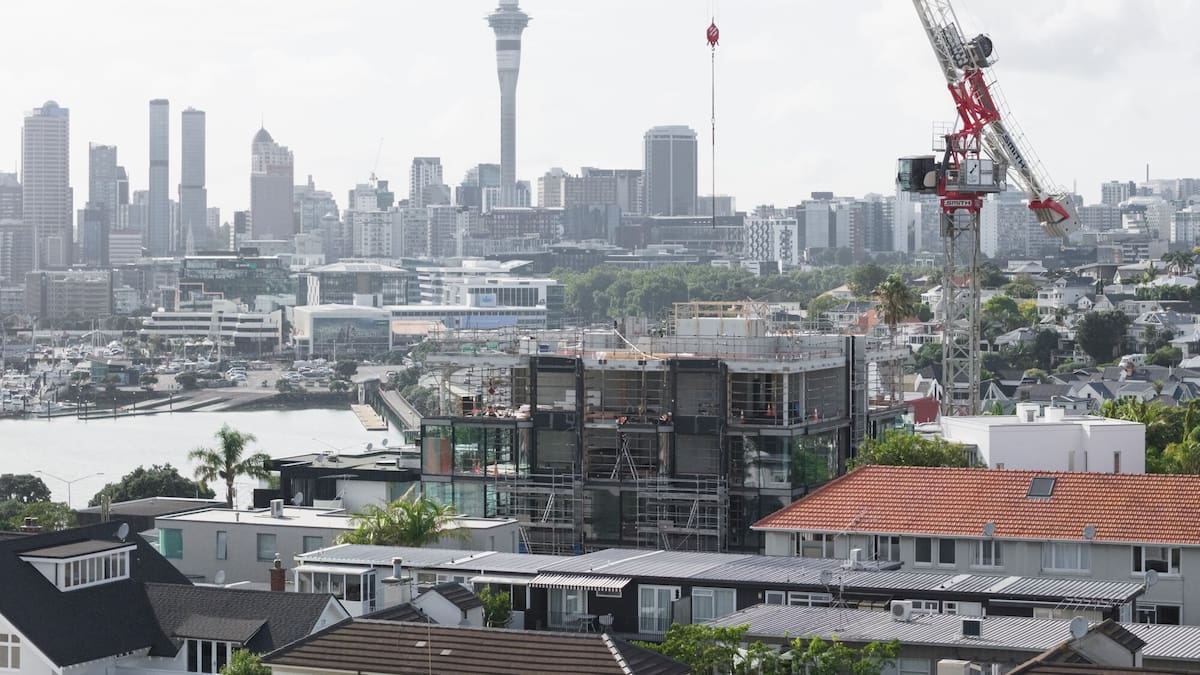
Real estate agents are hoping Auckland’s city centre has turned a corner and will become more vibrant with the opening of the City Rail Link and the end of a series of infrastructure projects.
Photo / Auckland Council
Dunn agreed but said the immediate risks were high because the upcoming New Zealand election was among the hardest n recent decades to pick a winner of.
That tended to have the effect of buyers sitting back and waiting to see the final result, he said.
On top of that and in the face of growing uncertainty, buyers could also decide to hold on to their money amid fears of how fuel prices and global conditions could affect the local economy.
“I think that things overseas have potential to get pretty messy. If they do that, that’s when our banks really tighten up their monetary policies,” he said.
Valocity senior research analyst Wayne Shum said sellers and buyers shouldn’t feel the need to rush into any decisions.
Despite global headlines, the best reason to buy and sell was always more closely linked to each person’s individual circumstances, he said.
The differing advice reflected a split in information coming out of recent market reports.
While Barfoot & Thompson data showed the median Auckland house price hitting a two-year high of $1.03 million in March, the apartment sector has struggled to keep pace.
Research from consultancy CBRE identified a record 521 new apartments coming on to the market and sitting unsold.
That represented 20% of all stock completed in the last three years, the Herald reported.