
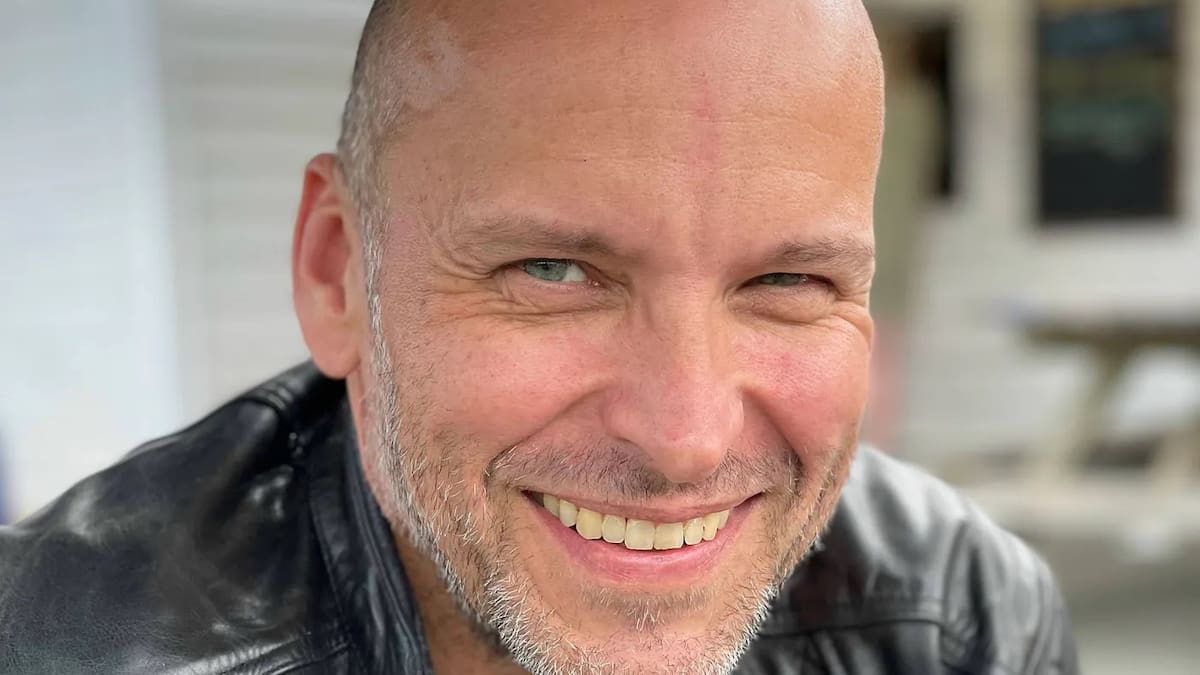
“I don’t need to connect all of the dots to get from A to Z,” he says. “Give me A and F, I can just figure out where Z is. It’s no effort. Effort for me is going A, B, C, D… that’s brutal.”
Rowley is a guest on the latest episode of No Such Thing as Normal, which looks at neurodiversity in the workplace. He says most workplaces remain optimised for one narrow style of thinking, but the majority of their employees don’t naturally operate in this way.
And the people who feel that friction most acutely are the neurodivergent. The modern work environment is particularly challenging for those with dyslexia, ADHD and autism: constant masking, chronic stress and burnout are common. But that’s for those who can secure a job. The unemployment rates among autistic people in New Zealand are high.
But Rowley, who himself is autistic and ADHD, says the answer is not simply better support and being more accommodating. It is about recognising these “different thinkers” as a valuable untapped resource, the missing piece for organisations trying to solve increasingly complex problems.
“For the longest time I just felt like a bloody alien and weird and alone. Now, I know there’s a whole load of people who are really similar to me… But we’re undervalued, misunderstood, not appreciated. And really, it’s the secret sauce to everything.
“We’ve got all of these organisations full of amazing people trying to solve problems,” he says. “But almost all of the time, you’ve got the wrong people working on the wrong kind of problems. Once you really begin seeing… how human brains are different, and how we work together better, it’s magic.”
Rich Rowley with Neurofusion business partner Bex Waugh. Photo / Supplied
Rowley’s company, Neurofusion, helps organisations better understand and utilise the value of employees through the Brainbadge certification programme. While it is dedicated to improving the lives of the neurodivergent community, its approach to neuroinclusion encompasses everyone. Rowley says the starting point is fostering a culture of belonging.
“It’s all about building psychological safety within a group of people,” he says. “That’s really the key to everything.”
Neurodivergent people may be the ones most visibly disadvantaged by narrow workplace norms, but Rowley believes many workers are operating in environments that fail to reflect how they work best.
“When you align the right kind of thinkers with the right kind of problems, everything just falls into place,” he says. “If you get this right, everything will improve. Your bottom line, your wellbeing… it will all get better.”
Listen to the full conversation on No Such Thing as Normal – an NZ Herald podcast, hosted by Sonia Gray, with new episodes available every Saturday.
Made with the support of NZ on Air.
You can listen to it on iHeartRadio, Apple Podcasts, Spotify or wherever you get your podcasts.