
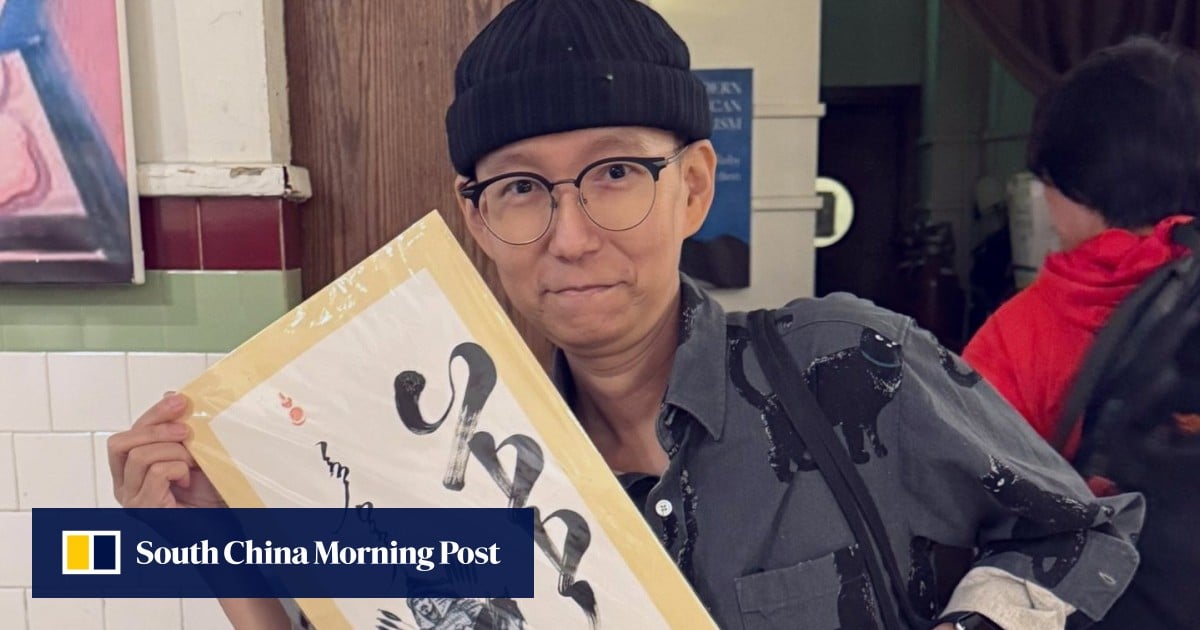
Hong Kong hairstylist Pitt Cheung Kwok-wai’s life took a sharp turn in 2020 when he was diagnosed with stage 3 nasopharyngeal cancer at the age of 38.
“We never had cancer or serious illness in our family before, so it was very shocking,” Cheung says.
Having treatment during the Covid-19 pandemic made the experience even more isolating, as it was difficult for friends and family members to visit him in hospital as he underwent several rounds of chemotherapy.
Due to its prevalence in southern China, nasopharyngeal carcinoma is often referred to as the “Canton tumour”. The leading type of head and neck cancer in Hong Kong, it develops in the nasopharynx, the upper throat area that connects the back of the nose to the rest of the respiratory tract. It has been linked to the Epstein-Barr virus (EBV) and to eating some traditional dishes such as salted fish.
There were 700 new cases reported in the city in 2023, 549 of them in men, and it is the most common cancer for young men aged 20 to 44.
Before receiving his diagnosis, the signs that something might be amiss were subtle. Cheung did not have the obvious symptoms of nasopharyngeal cancer, such as nosebleeds or breathing difficulties. But a small lump had appeared on his neck nine months earlier.