
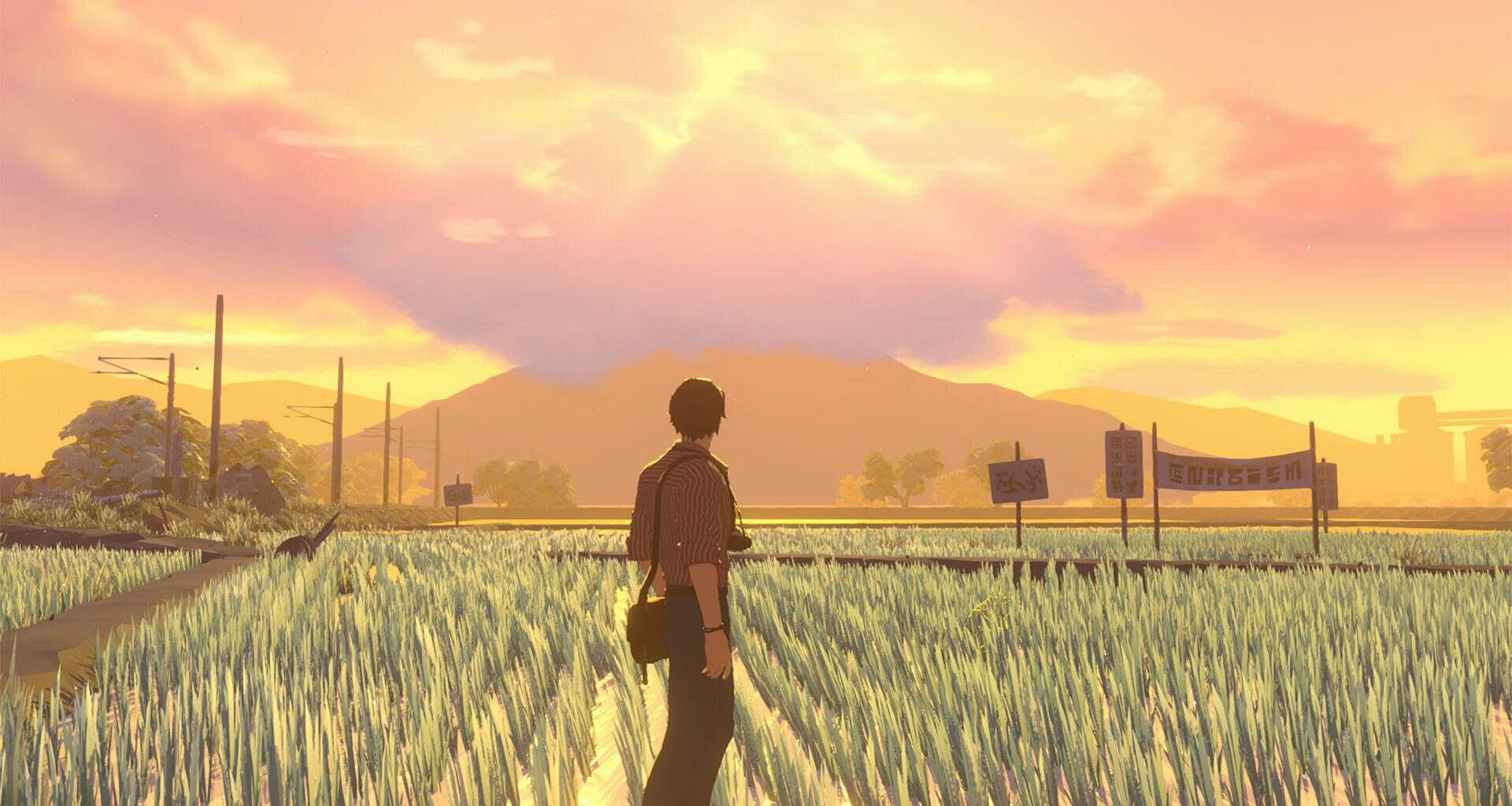
It’s been a decade since the Opus series began from Taiwan-based studio Sigono. While these narrative adventure games aren’t linked by the same plot or characters, the studio’s co-founder and producer Brian Lee defines these games by their thematic commonality of “characters facing their own smallness in an overwhelming world, about lost people finding themselves again by choosing to reach out.” Its latest title is also arguably its most ambitious.
Whereas previous games were largely 2D (the previous entry Opus: Echo of Starsong more 2.5D), Opus: Prism Peak makes the leap to a full 3D adventure, which also called for fully animated cinematic cutscenes rather than the illustrations that would have been sufficient in a visual novel format. Although the team opted to continue developing the game on Unity, such a new direction meant significantly new challenges.

(Image credit: Sigono / Shueisha Games)
“This was our first fully 3D project with a heavy animation workload,” Lee says. “Aside from all the modeling, the biggest hurdles were the sheer volume of animation and getting all the camerawork and staging to come together. We overhauled the animation pipeline several times, and there was a lot of back and forth on things like whether to use motion capture or hand-keyed animation, how to balance outsourcing with in-house work, and how to manage each individual shot. Getting a 3D narrative pipeline off the ground in time was probably the hardest thing we did in these four years.”
Article continues below
You may like
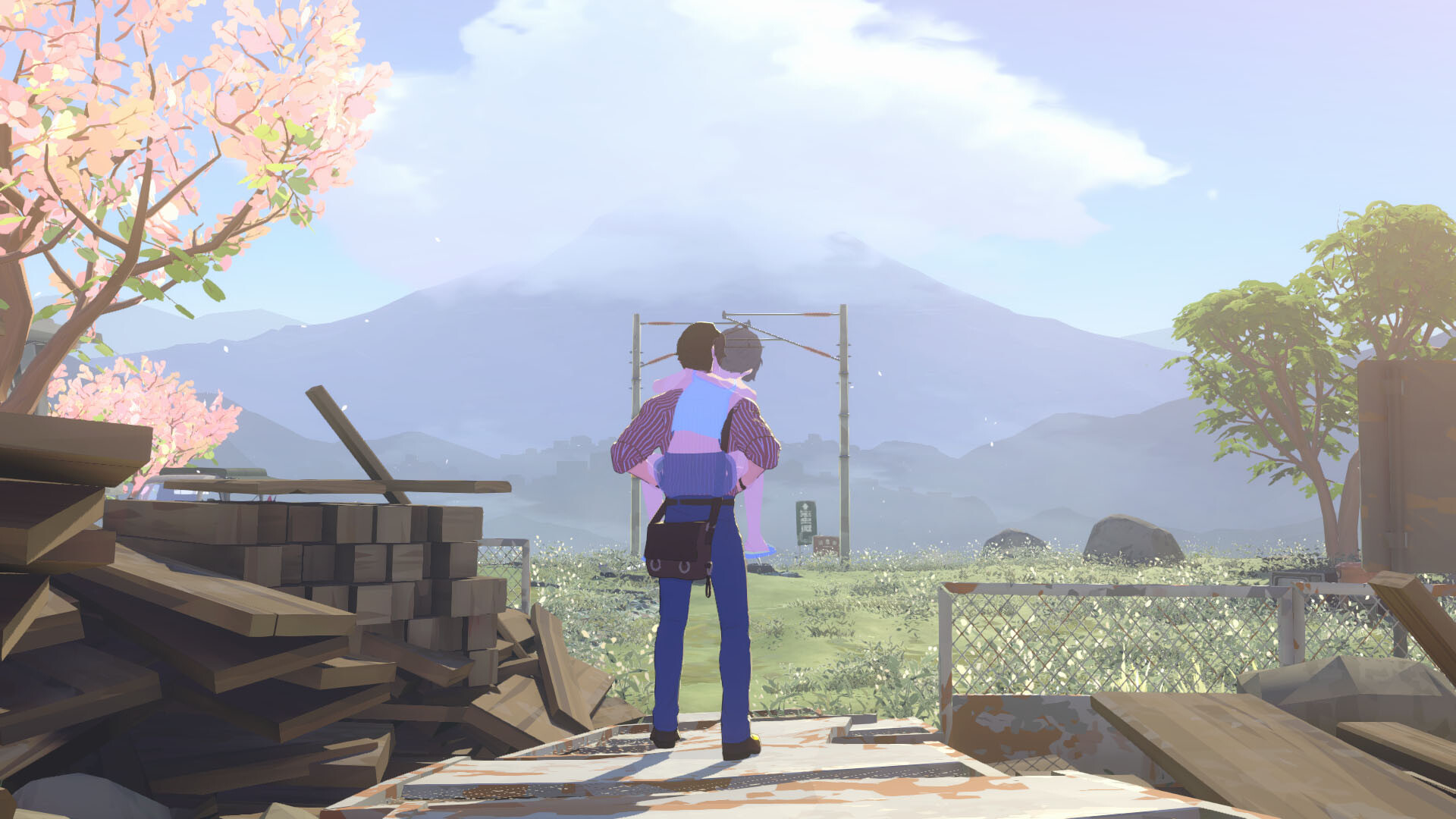
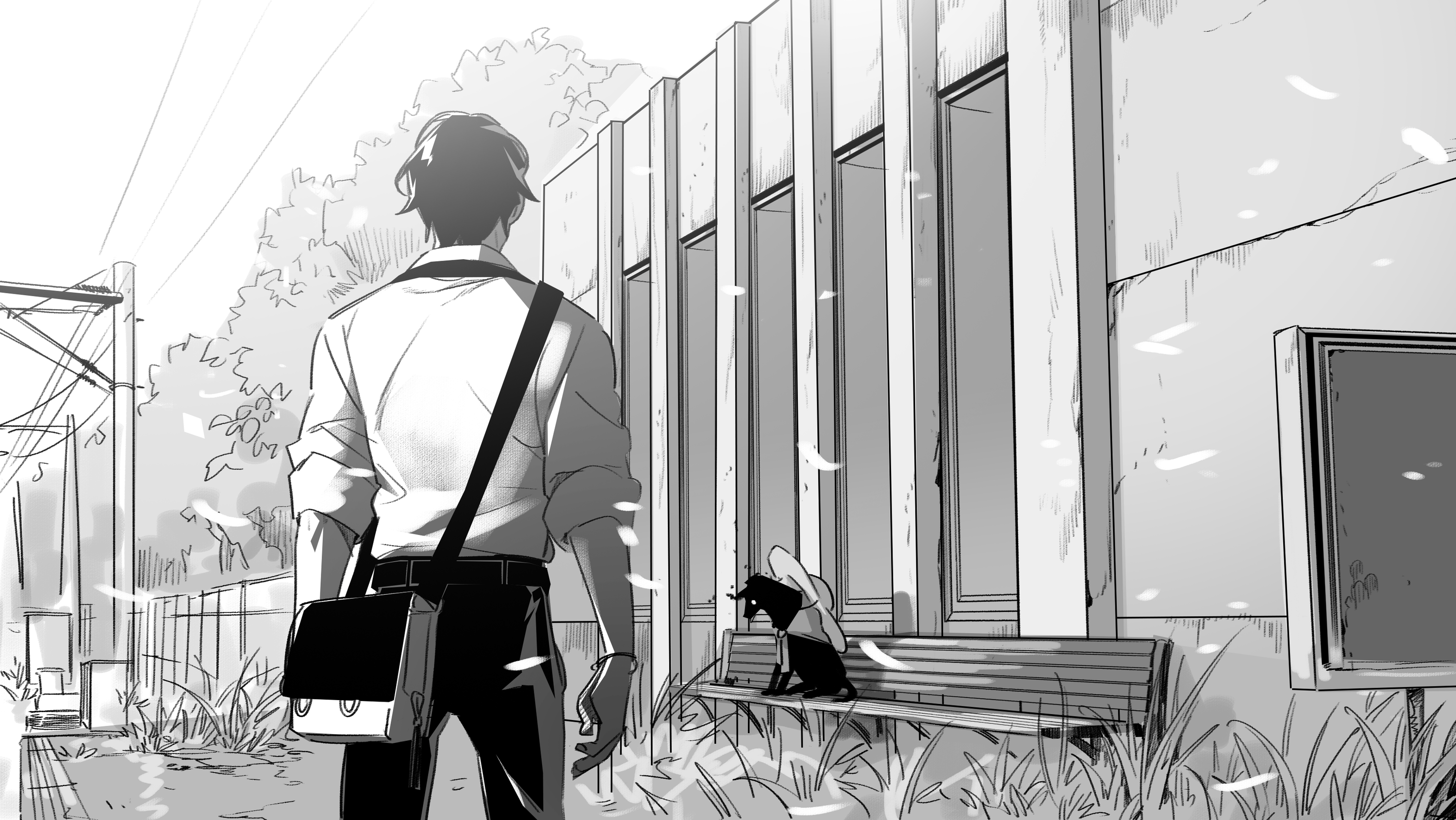
Some of these systems that the team built for Unity included the ability to quickly preview camera shots, managing cutscenes, and blending motion capture data. That effort has been worth it though as it really does feel like playing a Makoto Shinkai anime, a comparison Lee is honoured to have been given.
Image 1 of 2
 (Image credit: Sigono / Shueisha Games)
 (Image credit: Sigono / Shueisha Games)
“Being compared to Shinkai’s work is genuinely an honor. His influence, along with several other directors, was very real during development. What we love about Shinkai is how he captures light that feels impossible and yet deeply familiar, like a memory of something that never existed. That nostalgia and sense of fading map closely onto Prism Peak’s photography theme of capturing what’s slipping away.”
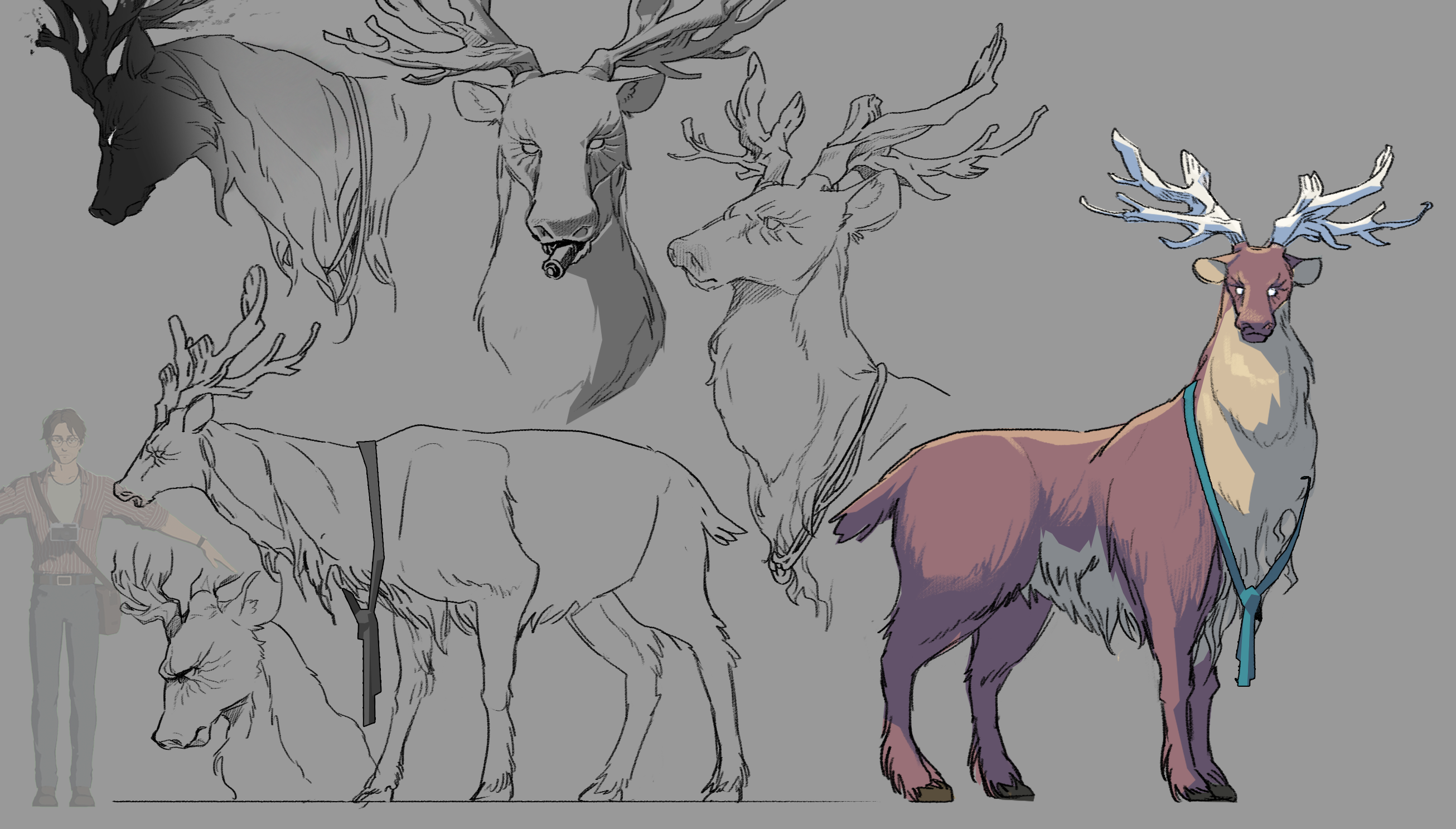
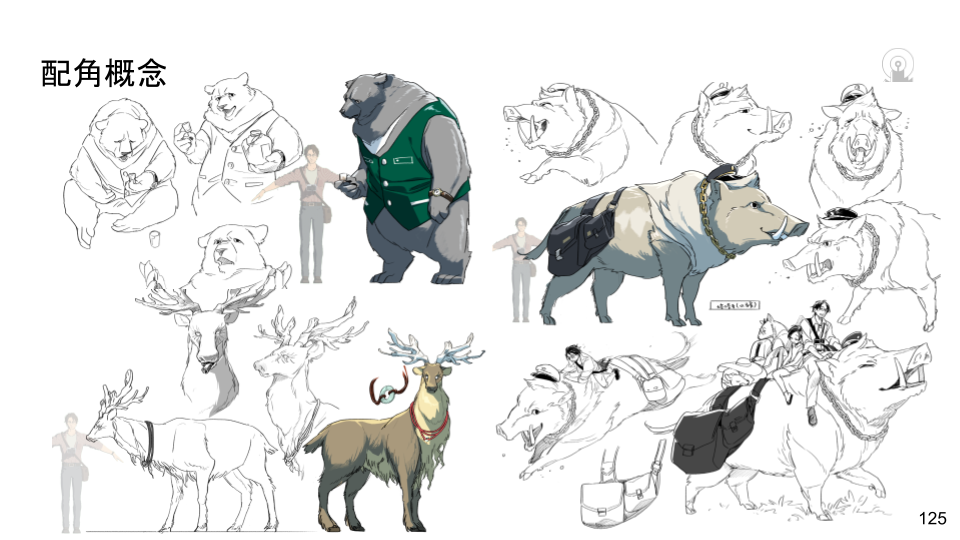
Given Opus: Prism Peak’s story also involves a world where animal spirits visibly exist, it also undoubtedly has classic Studio Ghibli films in common. In fact, Lee tells me that the team even internally referred to the game as “Spirited Away for grown-ups”. “I think that captures what we were going for, that feeling of being lost in a world of spirits and trying to find a way out.”
Image 1 of 3
 (Image credit: Sigono / Shueisha Games)
 (Image credit: Sigono / Shueisha Games)
 (Image credit: Sigono / Shueisha Games)
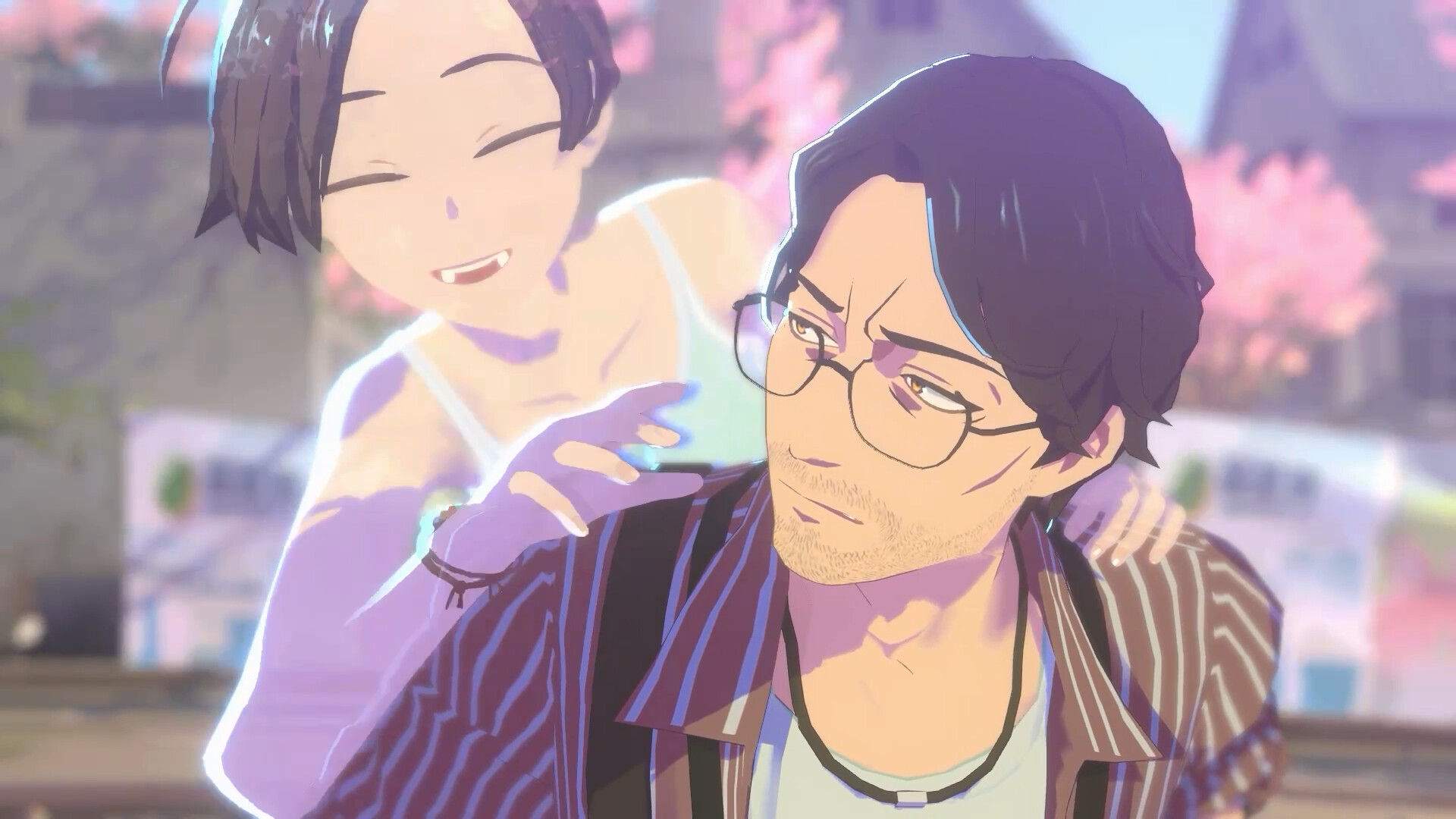
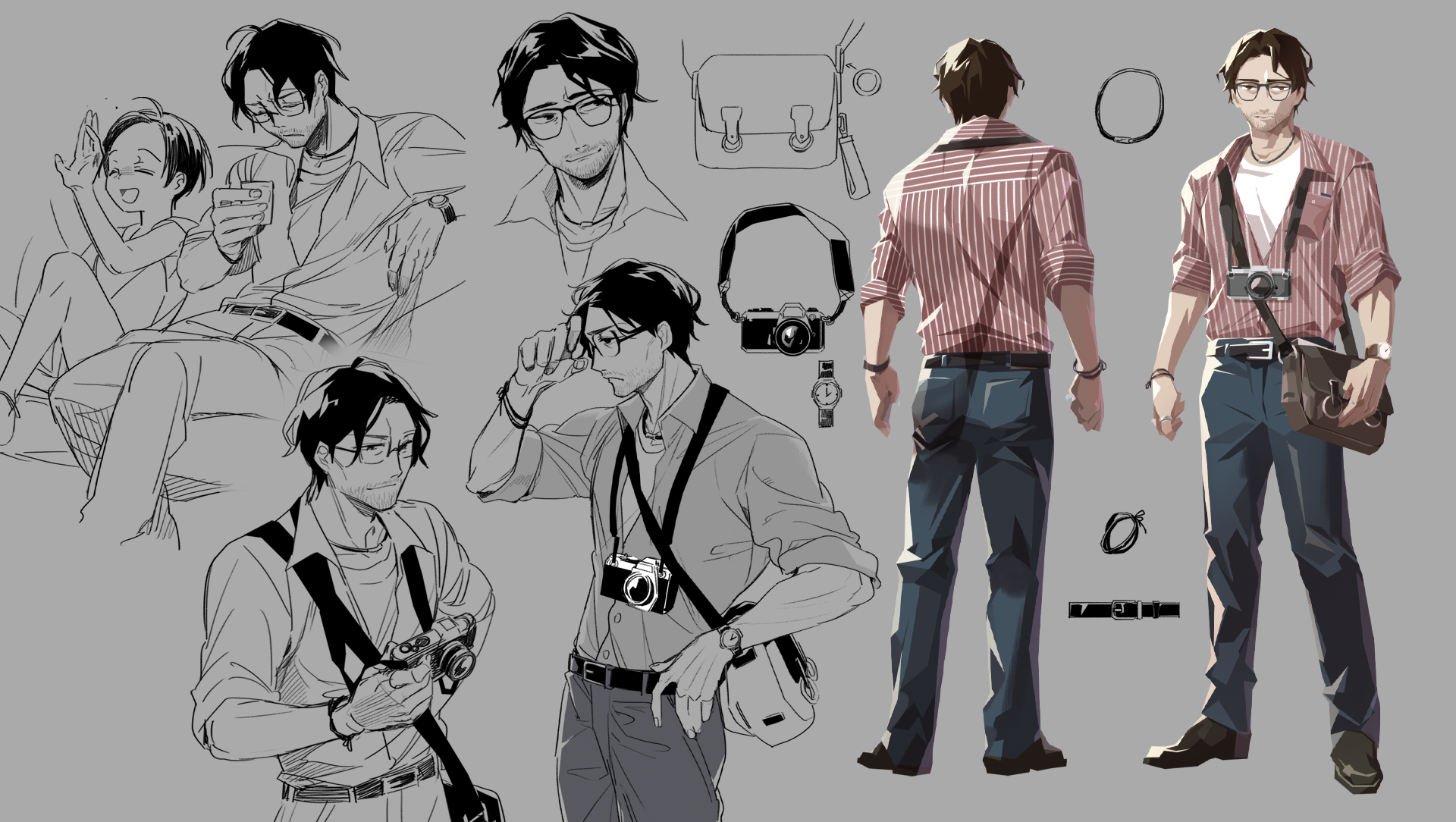
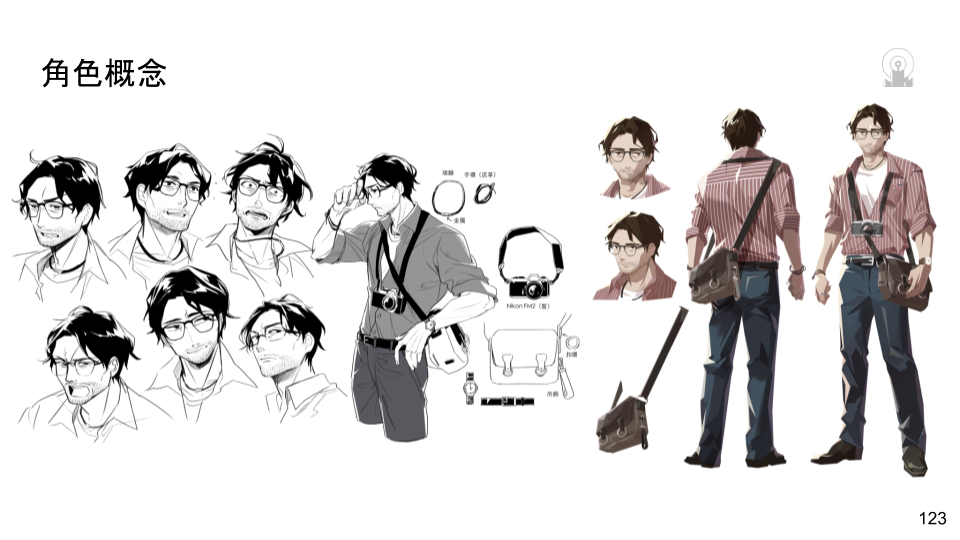
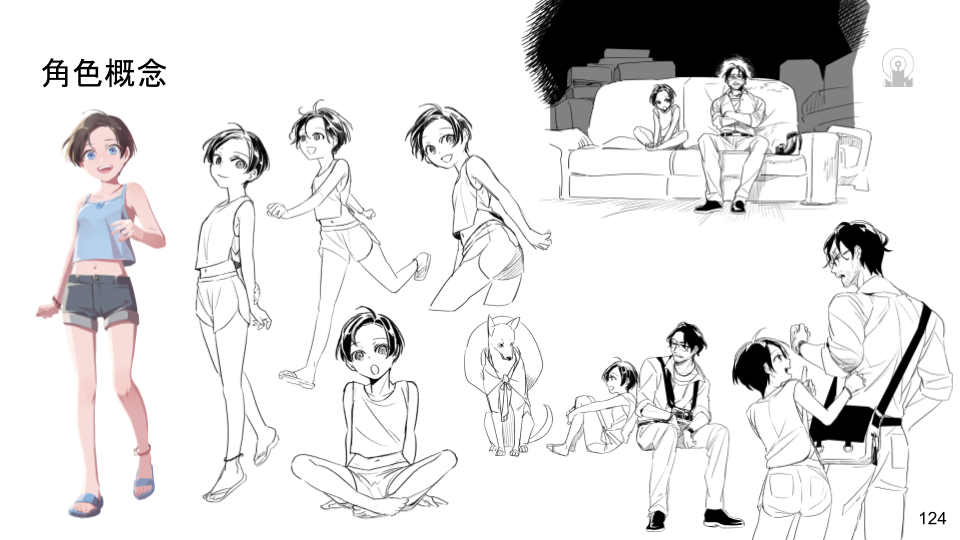
The grown-up in this case is 40-year old photographer Eugene who suddenly finds himself trapped in the Dusklands, a kind of parallel world set in the mountains, along with an amnesiac girl called Ren, and adult-child pairing that will likely feel familiar.
“Eugene is a pretty specific kind of character, divorced, out of work, someone life has really worn down, and Ren’s slight but tough look was deliberately designed to contrast that world-weariness,” Lee explains. “We weren’t trying to write a straightforward father-daughter relationship, but about two people who’ve lost something, and how innocent and resilience can help someone back on their feet.”
Image 1 of 3
 (Image credit: Sigono / Shueisha Games)
 (Image credit: Sigono / Shueisha Games)
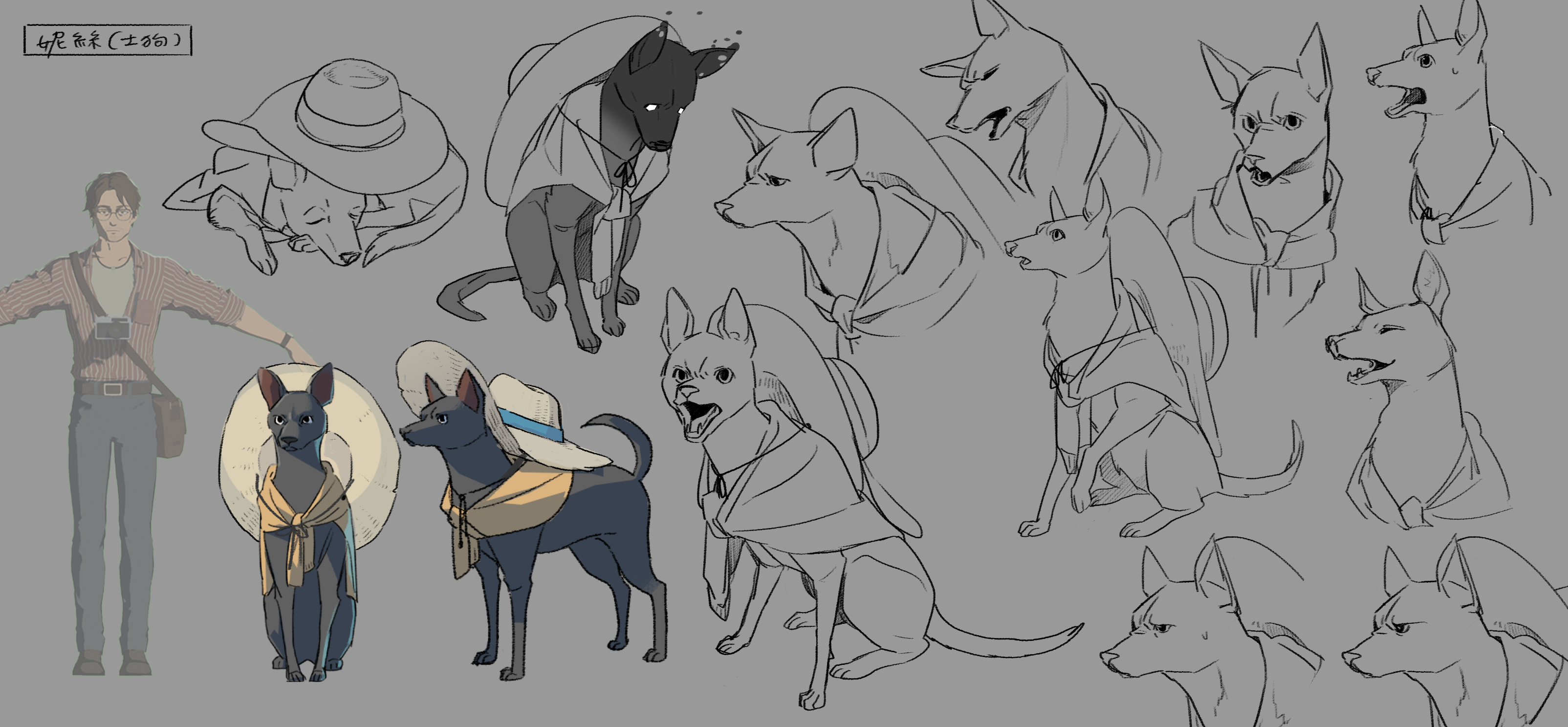 (Image credit: Sigono / Shueisha Games)
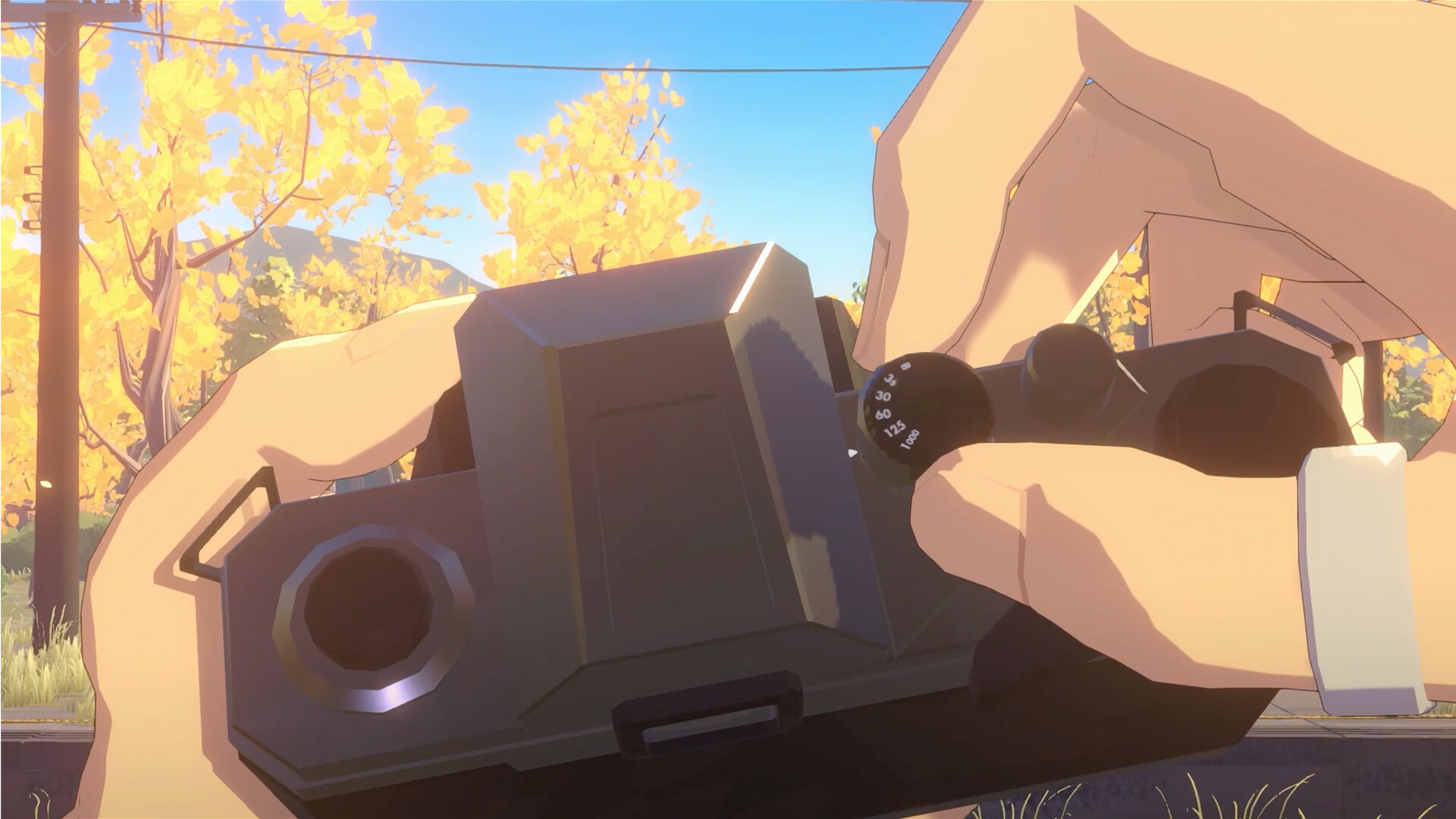
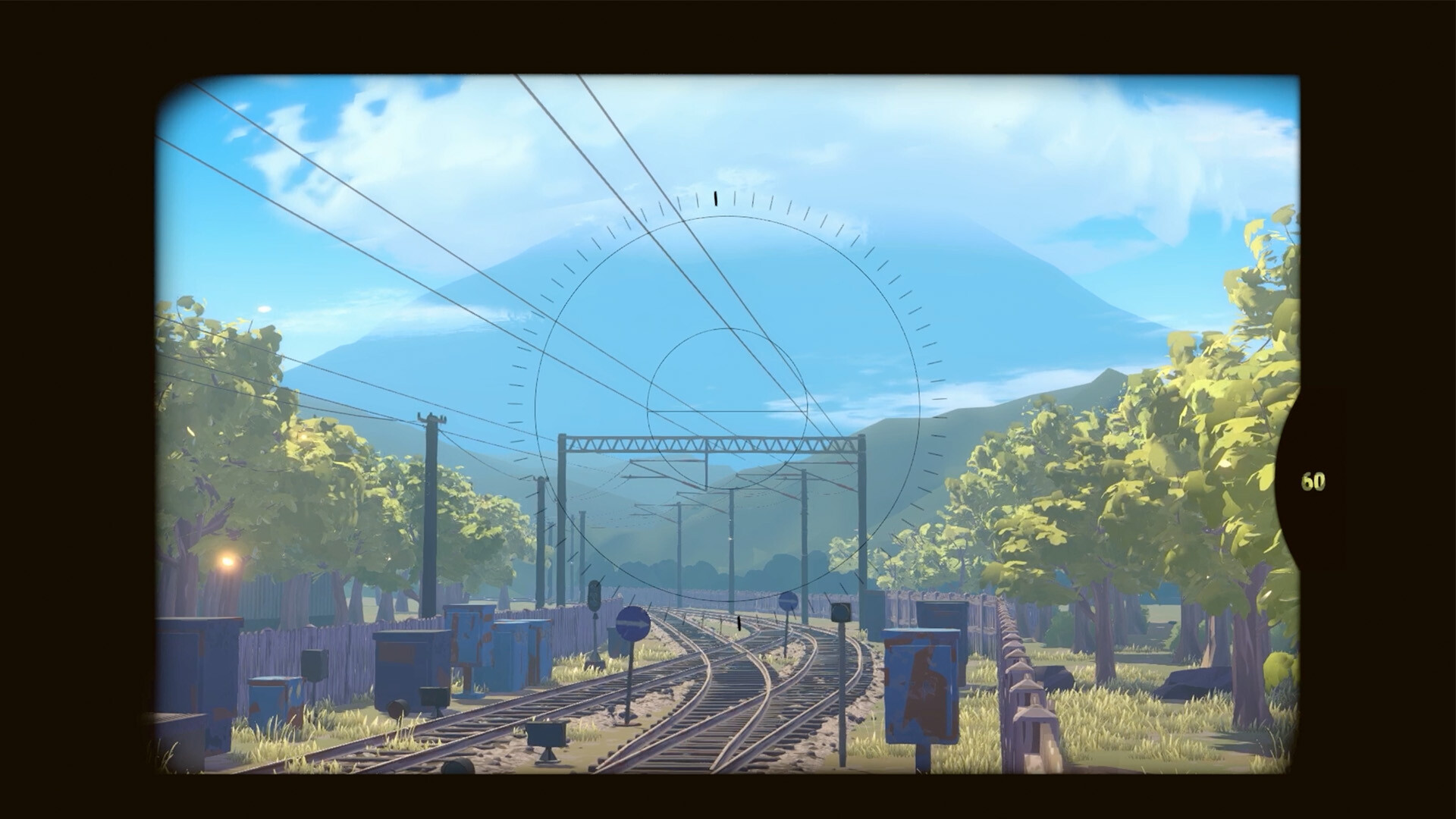
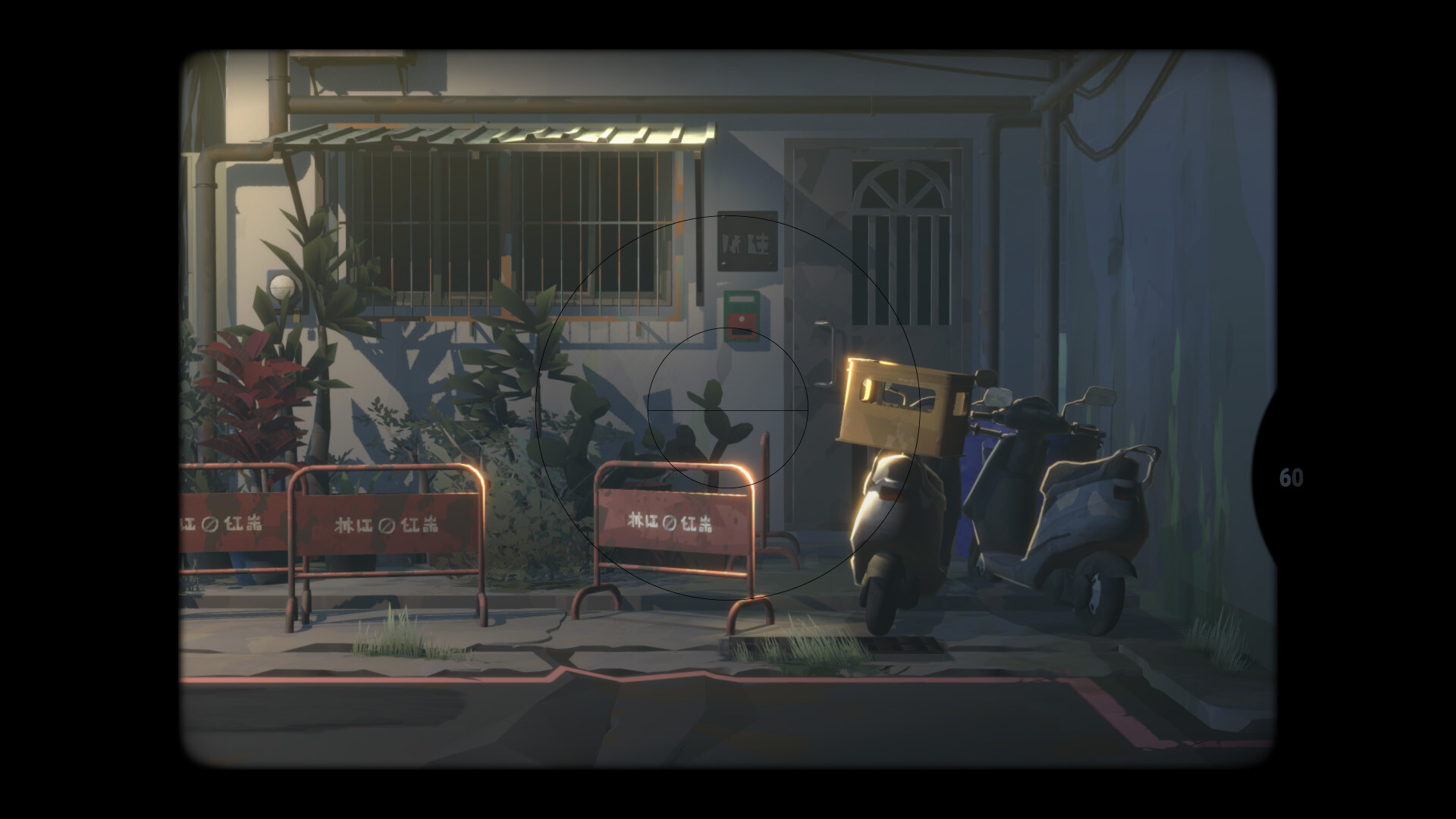
How you engage with this relationship also differs from the more action-based antics of say, The Last of Us Part 1 or Pragmata of shooting enemies, though instead you’ll be shooting things through the lens of Eugene’s analogue camera, which will help uncover the mysteries of this world.
That you’re not just using a flashy smartphone is important to the game feel, with a lot of effort to ensure players come away with a tactile experience of not using an old camera but also seeing how photos are then taped to the pages of Eugene’s notebook.
Image 1 of 3
 (Image credit: Sigono / Shueisha Games)
 (Image credit: Sigono / Shueisha Games)
 (Image credit: Sigono / Shueisha Games)
(Image credit: Sigono / Shueisha Games)
“We were very conscious about not letting [the camera] become a glorified screenshot tool, so instead of designing for convenience, the way most games approach cameras, we asked how we could make the camera feel like something you’re actually using,” Lee explains. “So the physical and emotional experience of using a camera became our guiding principle, tying directly into one of the game’s central lines, ‘If there’s something you don’t want to go away, capture it, so it stays.'”
“Photography is fundamentally about capturing moments before they disappear, and when players explore the Dusklands through the camera, what they’re actually uncovering are echoes of the protagonist’s memories and emotions from the real world,” he concludes. “Every object in the world becomes something to reflect on. That’s the design we were building toward.”
Opus: Prism Peak is out on PC, Switch 2 and Switch from 16 April.