
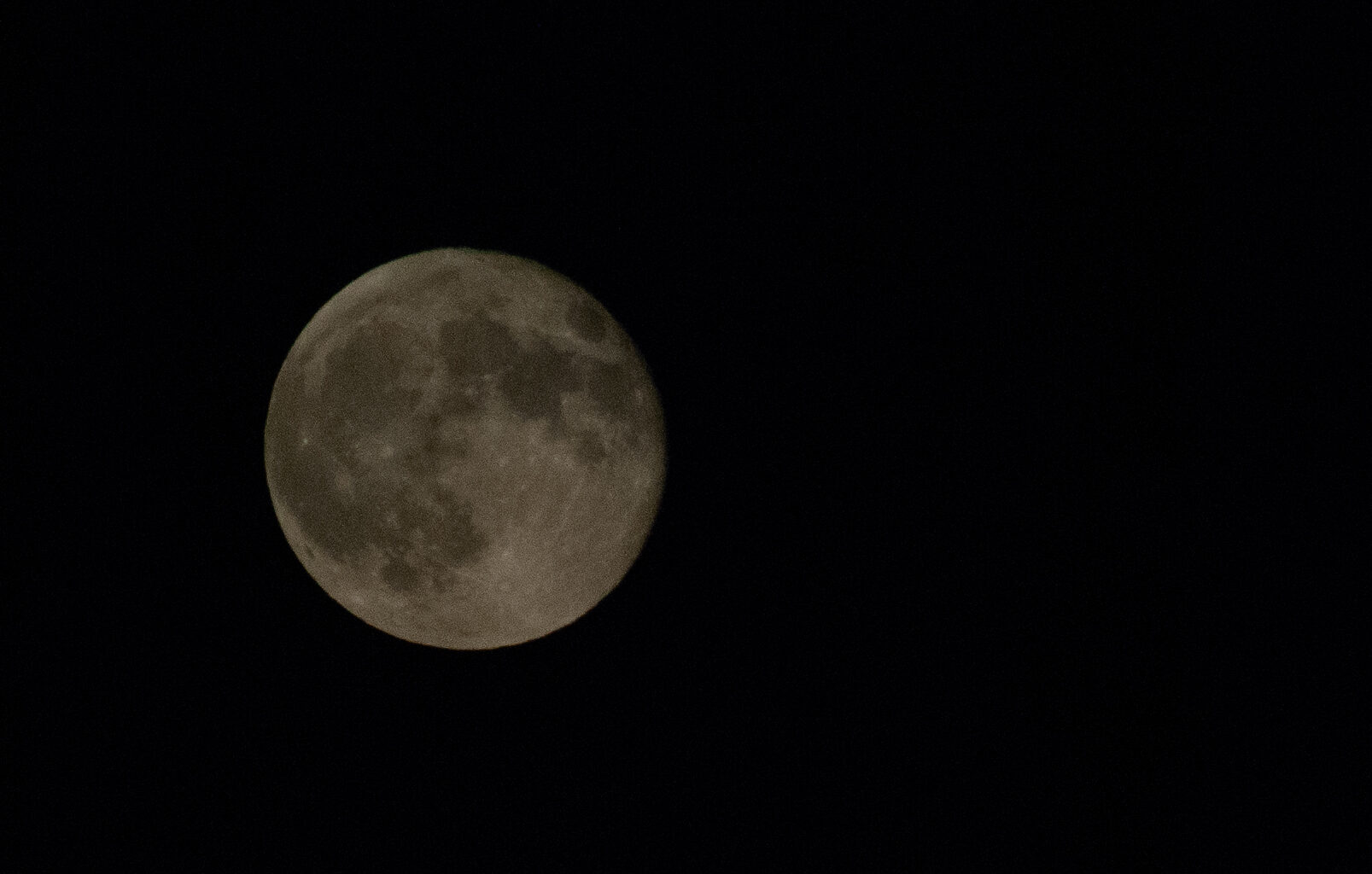
On April 1, NASA’s Artemis II mission launched from Earth. As I watched the NASA livestream of the launch, I marveled at the fact that, for the first time in more than 50 years, humankind is on its way back to the moon. I even teared up when astronaut Reid Wiseman told mission control, “We have a beautiful moonrise, we’re headed right at it.”
The Orion is only the second stage of the multi-step Artemis mission. Its task was to orbit the moon, collect observations and data, and then return to Earth April 10th. Future projects will advance until NASA is ready to establish a base on the moon, projected to land on the moon’s surface in 2028.
As the Integrity crew orbited the moon on April 7, their crew set the record for farthest a manned mission has traveled away from Earth. Shortly after celebrating the accomplishment, they suggested names to be approved by NASA for two of the previously unnamed craters on the moon.
The first crater, they named after their personal name for their crew and vessel, Integrity. The second, after Carroll Wiseman, pediatric nurse practitioner and wife of astronaut Reid Wiseman, who died of cancer in 2020, leaving him a widower and single father. It was impossible for me not to cry a little bit.
It’s easy for us to put people like astronauts on a pedestal of accomplishment and wisdom that the ordinary person is incapable of recreating. But these four people remind us of their humanity, and as Christina Koch told us, their humility. Upon reaching the area of eclipse, with no contact with Earth, the crew celebrated by sharing maple cream cookies (provided, of course, by Canadian crew member Jeremy Hansen.
Multiple times during interviews, they thanked and provided credit to the many people still on the ground, acknowledging that there would be nowhere close to the moon without many people working behind the scenes.
Now, it’s important to acknowledge that not everybody gets to be an astronaut, or even a NASA scientist. From certain perspectives, it can seem callous to spend so much time and energy to go somewhere we’ve gone before, while people still struggle in our own towns and cities. Throughout the past year, there have been issues with government freezes and cuts to welfare funding. In 2024, there were still 35.9 million people in America reported to be living in poverty.
Meanwhile, we are spending $4 billion for a single spaceship launch, and NASA is projected to spend around $105 billion by the end of the Artemis program. Should we be doing more to improve our own communities before worrying about reaching the depths of space? I think that, to answer that question, we have to ask why we’re going to the moon in the first place.
There is talk that the renewed interest in the moon may be the result of a new space race, this one competing with China to establish a lunar base. The Artemis project itself is intended to further scientific knowledge and set the stage for future space endeavors. However, I feel that, for the great majority of us, going to the moon is a symbol of hope we hold on to.
Some people have the hopes and dreams of living on another planet. For many, this “planet B” is a backup, a way for the human race to survive when our own planet might not. Those concerned about the future climate of Earth might be interested in starting new somewhere far away. Some people just want the chance to travel, and to see something they’ve never seen before. Space represents opportunity, change, and beginnings.
For the generation that remembers, the Apollo 11 moon landing was symbolic of a new age of innovation, technology, and human achievement. For reference, my dad was two months old at the time of the moon landing. He does not remember. (I asked.)
For those of us in 2026, a new moon mission can serve as a reminder that, regardless of time passing or tensions rising, people still have the ability to come together and do miraculous things, 57 years later.
We are still breaking records, learning new things, and exploring places we haven’t been before. People work together as a team so close it might as well be family, in order to further our understanding of the universe. Right now, it’s important for us to find hope and beauty in our world. Perhaps the Artemis project can also allow us to find those feelings beyond it.