
The long-awaited return of Euphoria has finally arrived, and with it, the familiar, stinging hum of chaos that defined East Highland has been replaced by the colder, sharper edges of adulthood.
After a four-year wait that tested the patience of even the most dedicated fans, the series premiered on April 12, 2026, dropping us into a reality that feels both unrecognizable and painfully inevitable.
We aren’t in the high school hallways anymore, where petty dramas and bathroom confrontations felt like matters of life and death. Now, five years later, the stakes have shifted from teenage angst to the harsh, grinding reality of survival.
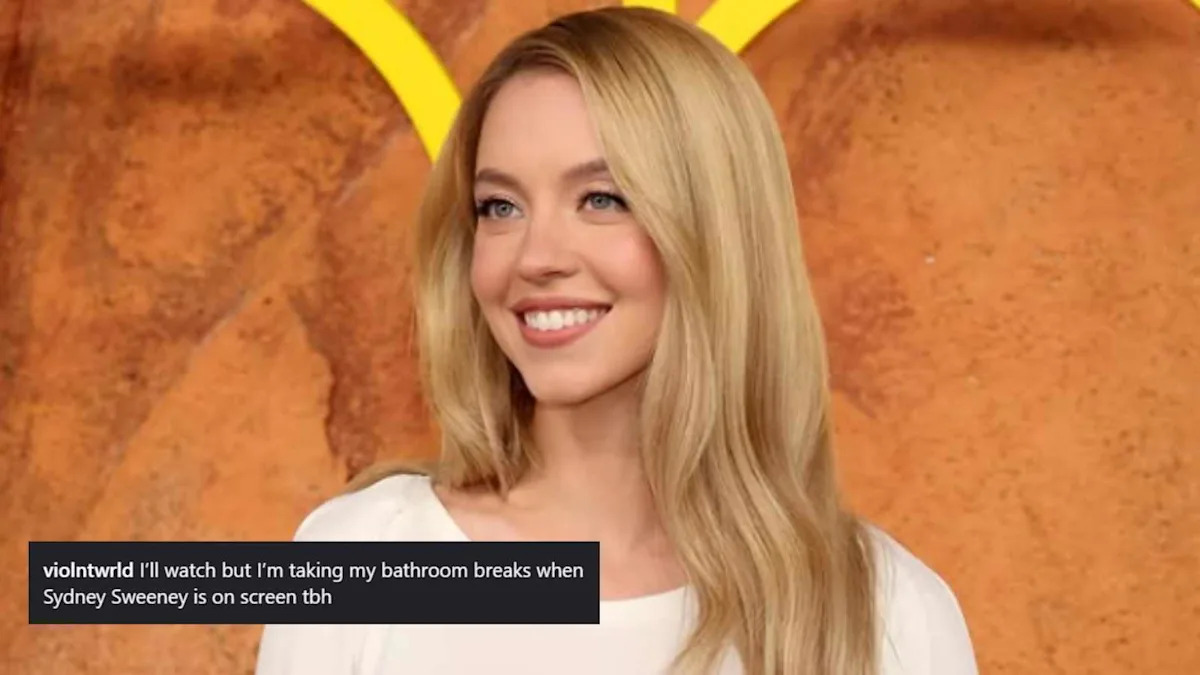
Among the wreckage of these early episodes, no character’s arc is sparking quite as much visceral reaction as that of Cassandra “Cassie” Howard, played by Sydney Sweeney.
The shift in her narrative, taking her from the frantic, lovesick teenager we once knew to a woman navigating a complex, controversial new chapter involving digital content creation, has ignited a firestorm of debate, leaving audiences divided over whether this is the logical evolution of a broken psyche or a bridge too far for the character.
The Evolution of the “Crazy” Archetype
When Sydney Sweeney sat down with Jimmy Fallon back in the summer of 2025, she didn’t mince words. Asked about the trajectory of Cassie in the then-upcoming season, her response was characteristically blunt: “Cassie is crazy.”
When pressed further about whether she would settle down or find some semblance of peace, she teased that the new season would show her as “even worse.”
At the time, it felt like a playful jab at the character’s well-documented volatility. Now that the season is underway, that description feels less like a joke and more like a warning.
There is a fascinating irony in how audiences are responding to Cassie’s current arc. For years, viewers championed Cassie’s spiraling behavior, analyzing her codependency and her desperate need for validation as a compelling, albeit tragic, portrait of trauma.
Yet, now that the show has thrust her into a storyline involving OnlyFans, a significant portion of the audience is recoiling. This creates a compelling question: Why is the exploitation of her emotional fragility acceptable to watch, but the commodification of her image suddenly crossing a line?
If we look at the trajectory of the series, Sam Levinson has always obsessed with the ways young women in his world are looked at, and how they, in turn, look at themselves.
By moving the timeline forward five years, the show is forcing us to confront a version of these characters who haven’t necessarily healed, but have instead found new, more professionalized ways to channel their dysfunction.
Now that digital visibility is often equated with self-worth, Cassie’s decision to lean into a medium that literally puts a price tag on that visibility isn’t just “crazy”… it is a bleak, accurate mirror of the cultural moment.
The Complexity of the Adult Landscape
The transition to a five-year time jump is a massive gamble, one that effectively guts the aesthetic that made the first two seasons a global phenomenon. We no longer have the neon-soaked high school parties; instead, we have the grit of suburban disillusionment and the frantic, desperate energy of people trying to keep their heads above water.
The narrative choice to marry Cassie and Nate Jacobs (Jacob Elordi) acts as a structural anchor for this new reality, trapping her in a domestic arrangement that seems to amplify her insecurities rather than soothe them.
The inclusion of the OnlyFans plot point has become the focal point of the critical backlash. It has been described in various corners of the internet as “provocative” or “unnecessary,” but from a narrative standpoint, it serves as the ultimate culmination of Cassie’s plotline.
She has spent her entire life performing womanhood for the benefit of men who never truly saw her. What is a digital platform if not the final, most efficient arena for that performance?
To criticize the show for taking her there is perhaps to misunderstand the character’s point. She isn’t meant to be aspirational; she is meant to be a cautionary tale about the hollow nature of seeking external validation.
What remains to be seen is how this arc will be handled as the season progresses. With the show slated for an eight-episode run through May 31, 2026, there is ample space for the writers to dive deep into the repercussions of these choices.
Are we watching a character successfully reclaiming her narrative through financial independence, or are we witnessing the final degradation of a woman who never learned how to exist without an audience? The answer will likely dictate the legacy of the show’s final chapter.