
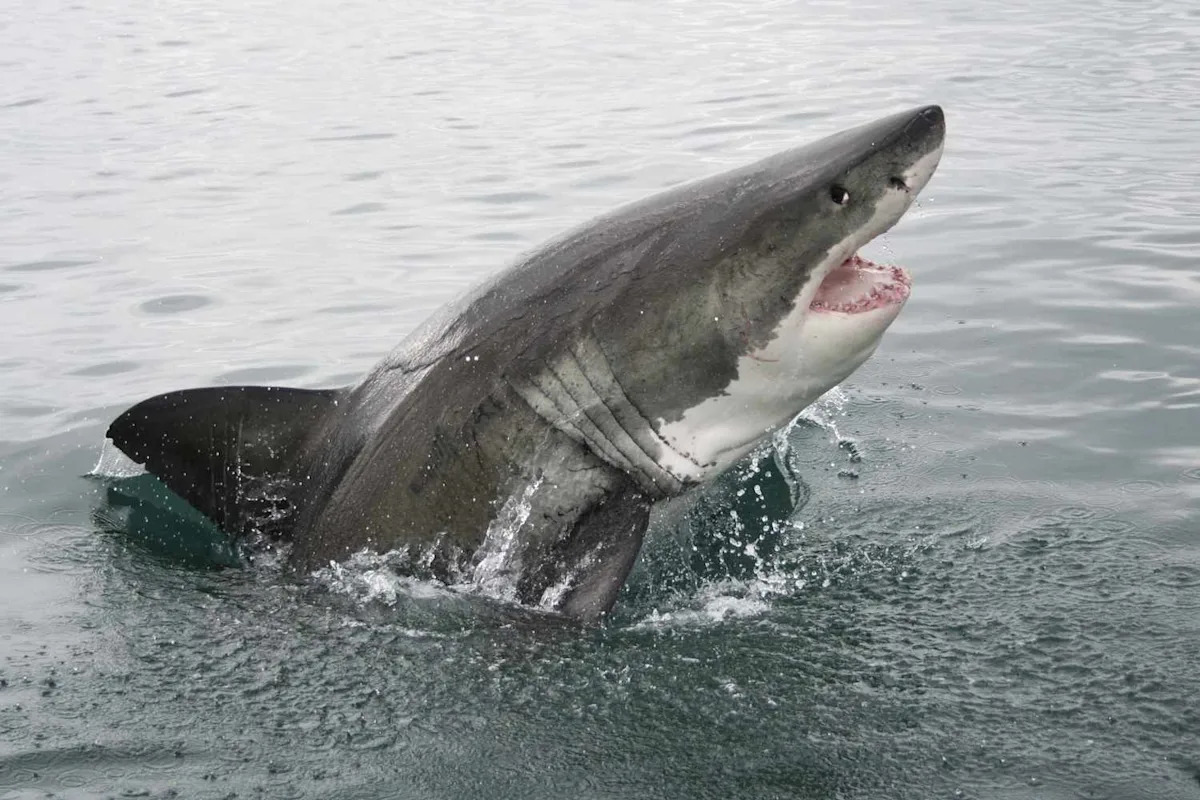
NEED TO KNOW
Great white sharks have largely disappeared from Cape Town waters over the past decade
Scientists are split, blaming either orca predation or human activity like fishing and shark nets
Experts warn the loss could disrupt ocean ecosystems and signal broader environmental issues
Cape Town, South Africa, once among the best places in the world to see great white sharks, is experiencing a drastic shift: the species is vanishing from the area’s coastal waters.
According to CBS News reporting, sightings of the apex predators began to decline just over a decade ago, leaving scientists, conservationists and local experts searching for answers. What was once a thriving ecosystem filled with sharks, seals and smaller prey has, in many areas, gone quiet.
“At one point, we were seeing 250 to 300 great whites a year,” professional shark photographer Chris Fallows told the outlet. “Today, you would see nothing.”
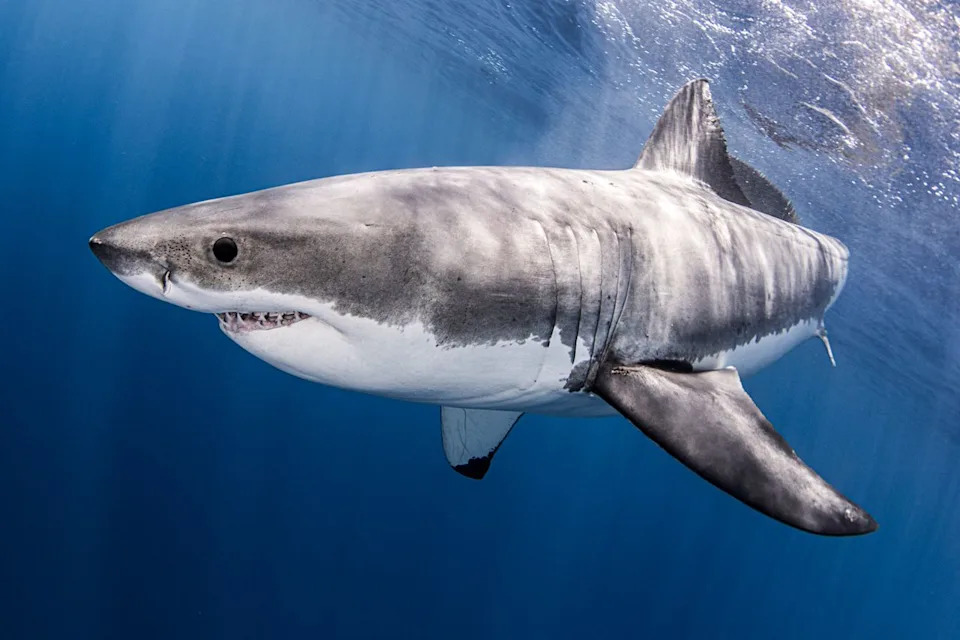
Great white shark
Credit: Getty
The disappearance has sparked a debate within the scientific community, with two leading theories emerging: one pointing to whales, the other to humans.
Marine biologist Alison Kock, who has studied the Cape Town region for years, began investigating after great white shark carcasses started appearing in 2015 with what she described as “surgical” wounds. Eventually, necropsies confirmed a surprising predator: orcas.
The killer whales were targeting great white sharks for the species’ nutrient-rich livers. Two male orcas, nicknamed Port and Starboard, were even observed hunting sharks in pairs, an unusual behavior that researchers believe may be spreading.
Kock believes the presence of these highly intelligent hunters has driven great whites out of the area.
“It’s the fear of predation,” she explained, describing how sharks, not accustomed to being hunted, may have fled to safer waters. However, not all marine experts agree.
Marine biologist Enrico Gennari and Fallows argue the decline began before the orcas appeared, pointing instead to human activity. They cite commercial fishing practices that deplete the sharks’ food supply, along with shark nets and baited hooks designed to protect swimmers — methods that can kill more than 20 great whites a year.
Never miss a story — sign up for PEOPLE’s free daily newsletter to stay up-to-date on the best of what PEOPLE has to offer, from celebrity news to compelling human interest stories.
“Shark longlining is undoubtedly robbing the great white sharks of food,” Fallows highlighted. The stakes, experts warn, go far beyond one species. Great whites play a critical role in maintaining balance in ocean ecosystems, and their disappearance could signal deeper trouble.
“If we lose the white shark in South Africa, we lose a battle for all nature,” Gennari said.
Read the original article on People