
Photo: RNZ
The prime minister says his government is “very interested” in rooftop solar, but has given no firm answers yet, amid calls from an energy alliance for the government to use next month’s budget to subsidise rooftop solar for households.
The Smart Energy Alliance told Nine to Noon the case for electrification has never been clearer, with the war in the Middle East, soaring fuel costs, and the shorter term case for importing liquefied natural gas now in doubt.
It was asking the government to help fund up to $6500 per solar set up and battery.
The alliance included Consumer NZ, the Green Building Council, Master Electricians, and the industry body for solar companies, SEANZ.
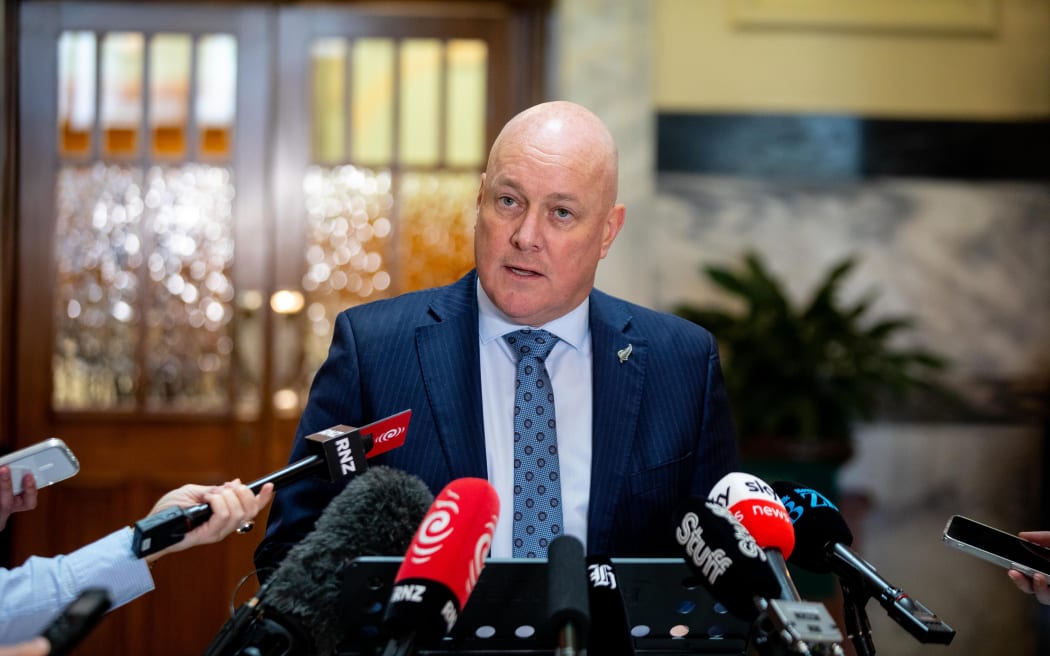
Prime Minister Christopher Luxon
Photo: RNZ / Mark Papalii
Asked about subsidising solar to bring down energy costs of households on Wednesday, Luxon said energy policy and energy security for his government was about having a combination of options, which he described as “and and and”.
“We’re very interested in rooftop solar, we’ve done a number of things to make it easier for people to do so, but again it’s about, we want a strategic coal reserve behind – we got 1.2 million tonnes there, because sorry we’re not going to have a dry year risk,” he said.
Asked about the calls from the Smart Energy Alliance, Labour leader Chris Hipkins said now was the time for New Zealand to be accelerating its acceleration to renewable energy.
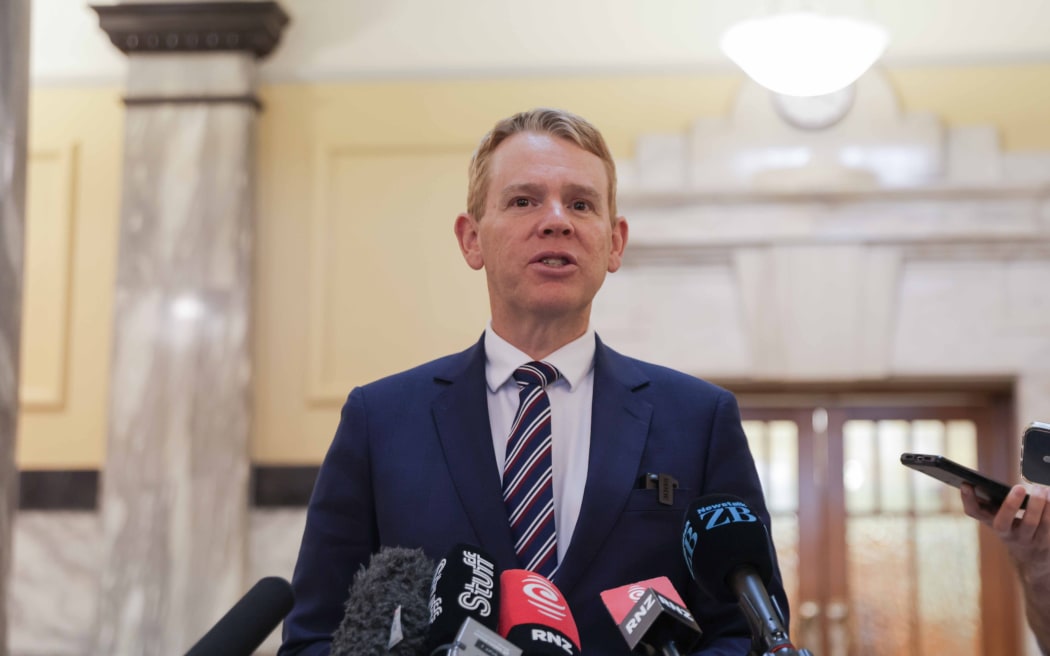
Labour leader Chris Hipkins.
Photo: RNZ / Samuel Rillstone
“We’ve got an abundant supply of renewable energy in New Zealand, we should be harnessing that to lower the cost for New Zealand families. Solar is one of the things we should be increasing our emphasis on,” he said.
Asked if Labour would look at solar subsidies, Hipkins said “watch this space”.
“We will absolutely be focused on increasing installation of solar and batteries across New Zealand,” he said.
Hipkins said Labour had a policy on solar power in the last election, and would continue to have one at the upcoming election.
ACT’s energy spokesperson Simon Court said the party did not support solar subsidies.
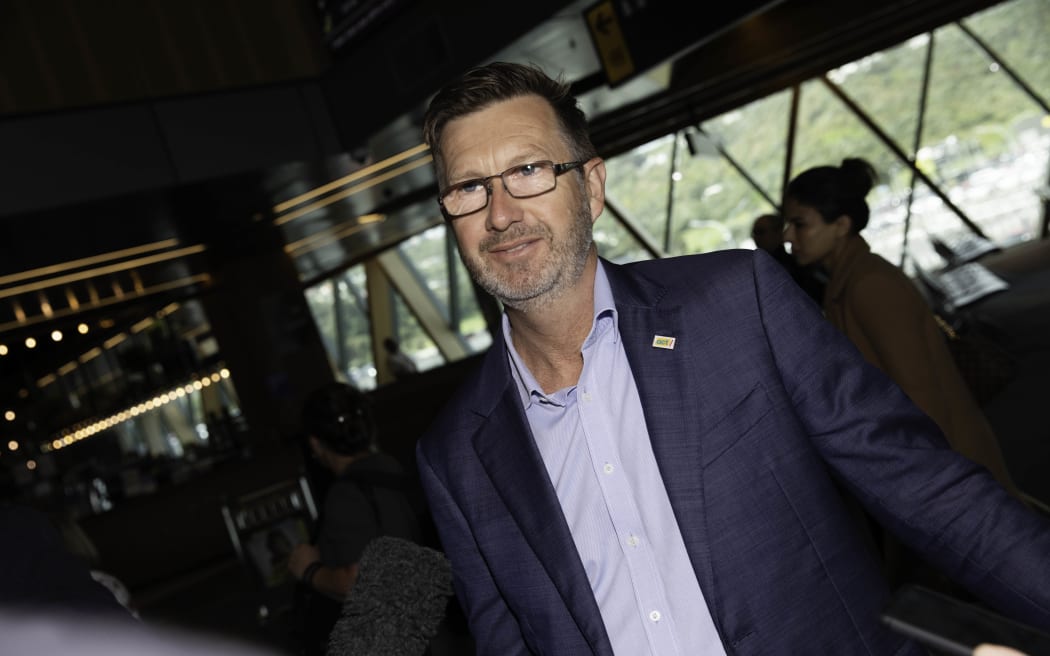
ACT’s energy spokesperson Simon Court.
Photo: RNZ / Angus Dreaver
“ACT believes that if solar stacks up, Kiwis are going to invest without handouts,” he said.
Court said they were more focused on looking at other regulatory barriers in the energy space.
“Fixing the regulation that stop(s) people getting the best price for the energy they generate from their household or business.
“And installing the infrastructure that they need to make it work for their household and business, then we should be fixing that and looking at that through the RMA reform and local government reforms to make these things easier to do,” he said.
Meanwhile, Greens co-leader Chloe Swarbrick said it was a no brainer for the government to be subsidising the production of renewable energy right now, particularly when it was distributed – like rooftop solar.

Greens co-leader Chloe Swarbrick
Photo: RNZ / Samuel Rillstone
Swarbrick said the Greens proposed a similar policy to what the Smart Energy Alliance was calling for in the 2023 election.
She said the case was strong then and was even stronger now.
New Zealand First has been approached for comment.
Sign up for Ngā Pitopito Kōrero, a daily newsletter curated by our editors and delivered straight to your inbox every weekday.