
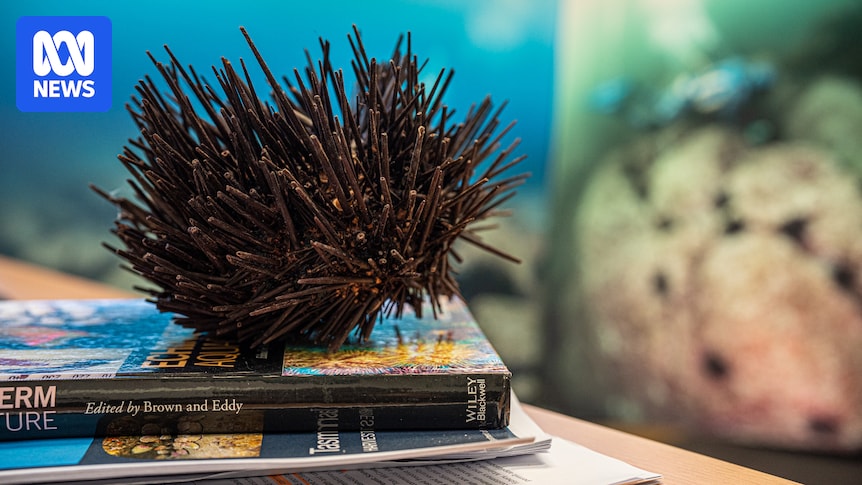
The discovery of a long-spined sea urchin on Tasmania’s remote west coast has signalled a critical new expansion of the pest species.
The single urchin was found between Port Davey and Low Rocky Point.
“This is notable because it’s the farthest west the species has been reported in Tasmania,” Dr John Keane from the Institute of Marine and Antarctic Studies (IMAS) in Hobart said.
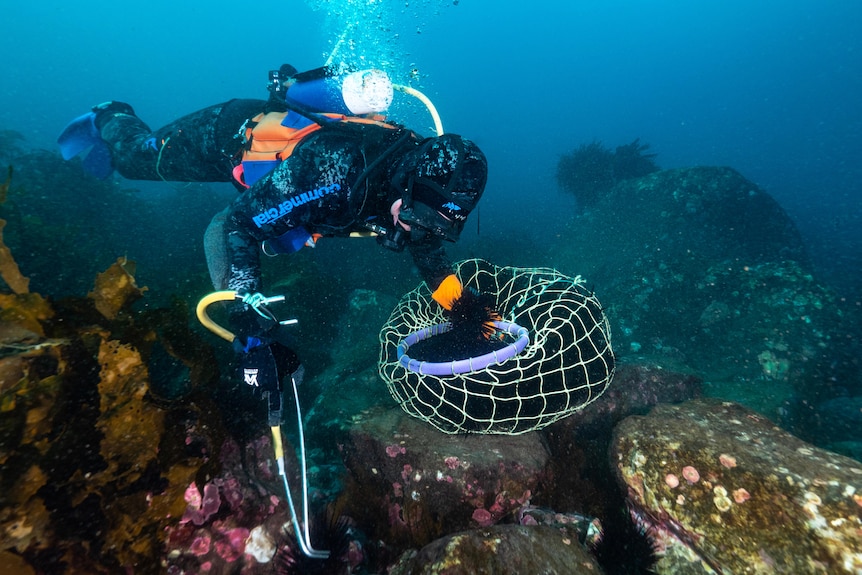
A diver harvests sea urchins. (Supplied: Matt Testoni )
Long-spined sea urchins are native to New South Wales, but rising ocean temperatures have triggered a population explosion, driving hundreds of millions south via currents.
They were first found in Tasmanian waters off St Helens on the east coast in 1978.

A before-and-after comparison of an area, showing how kelp forests have been stripped by long-spined urchins. (Supplied: Matthew Doggett, Scott Ling)
From there, numbers exploded along the coast.
“We mainly see dense populations on the east coast and some near Port Arthur, but sightings are increasing on southern and western reefs,” Dr Keane said.
Along the way, the voracious pest has devastated kelp forests and reefs, which are a vital habitat for abalone and rock lobster.
The discovery of the urchin on Tasmania’s west coast is considered by researchers to be a canary in the coal mine for the ecosystem and Tasmania’s valuable abalone and rock lobster fisheries.
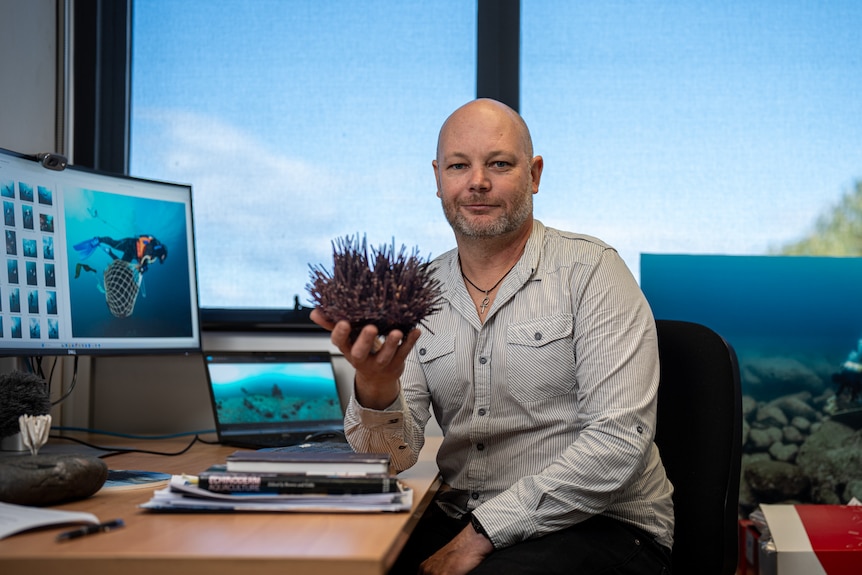
Dr Keane pictured with the urchin, which was brought to IMAS after being discovered. (ABC News: Jake Grant)
“While a single urchin is not a problem, this sighting shows the threat if waters keep warming. It’s an early warning sign,” Dr Keane added.Pest-management scheme in doubt
The west coast find comes as fishers wait to hear whether an incentivised harvest program funded by the state government and the Tasmanian Abalone Council will continue next financial year.
Sea urchin response criticised
The program has seen commercial divers remove more than eight million urchins from reefs in Tasmania.
“We are the most effective control method, backed by science,” Scott Bedford, of the Tasmanian Commercial Divers Association, said.
Divers are paid an extra $2 to $5 per kilo by the Centrostephanus Subsidy Program, depending.
“Over the last eight years, we’ve greatly reduced populations,” Mr Bedford said.
But calls to the state government about the future of the fund next financial year remain unanswered, according to divers.
“There’s no certainty we’ll have future funding,” Mr Bedford said.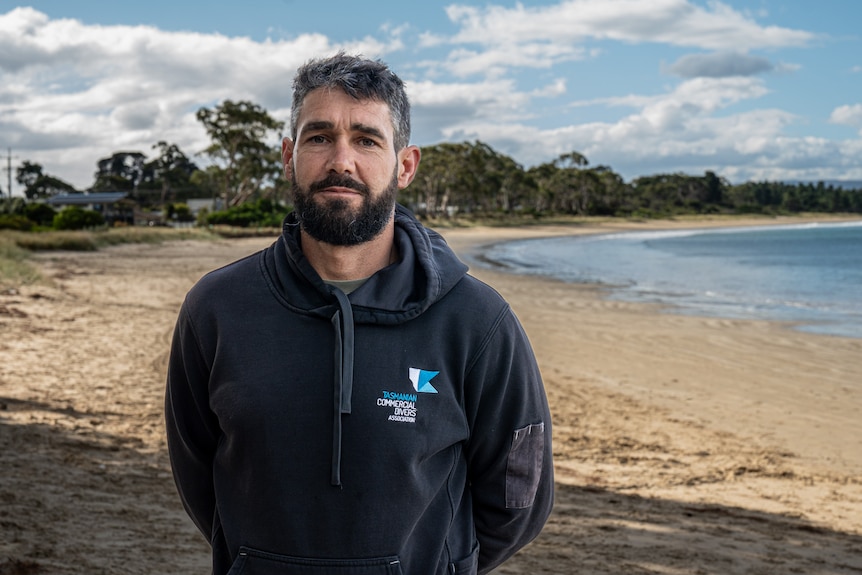
Commercial diver Scott Bedford is concerned about the urchin spread in Tasmanian waterways. (ABC News: Jake Grant)
“Without the incentive, I’d likely stop diving for urchins — it wouldn’t be financially viable,” he added.
The Tasmanian Abalone Council has yet to receive an answer on the Centrostephanus Subsidy Program as well, but it’s hoping for a positive announcement soon.
Meanwhile, researchers and fishers alike are disappointed that a key recommendation from a 2023 Senate report for an immediate $55 million investment over five years to address the long-spined sea urchin problem was knocked back.
Dean Lisson from the Tasmanian Abalone Council said divers are gobsmacked by the disparity in Commonwealth and state funding for the Great Barrier Reef compared to the Great Southern Reef.
“Their investment in the Southern Reef, compared to the Great Barrier Reef is bugger all,” Mr Lisson said.
Both scientists and fishers agree that the anomaly urchin could have dire consequences for Tasmania’s underwater environment and some of its most valuable fisheries.
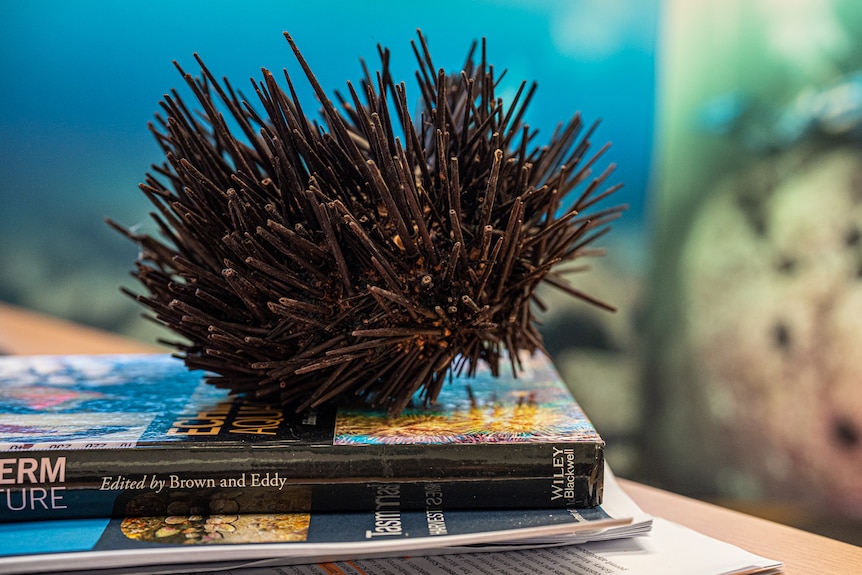
Dr Keane said the world’s most valuable fishing grounds were at risk by the species’ spread. (ABC News: Jake Grant)
“If the urchins continue to spread to the south and the west, overpopulating in large numbers as we’ve seen on the east coast, it risks all that valuable kelp habitat,” Dr Keane said.
“That habitat drives the productivity of the rock lobster and abalone, and the south and the west are the most valuable fishing grounds for abalone in the world.”