
The Royal Bank of Canada (RBC) has offices here in Australia and contributes regularly to the national economic conversation.
In its latest public note, it’s added another RBA interest rate hike to its monetary policy forecast.
It’s also predicting Australian inflation to surge.
A reacceleration in headline inflation is inevitable.
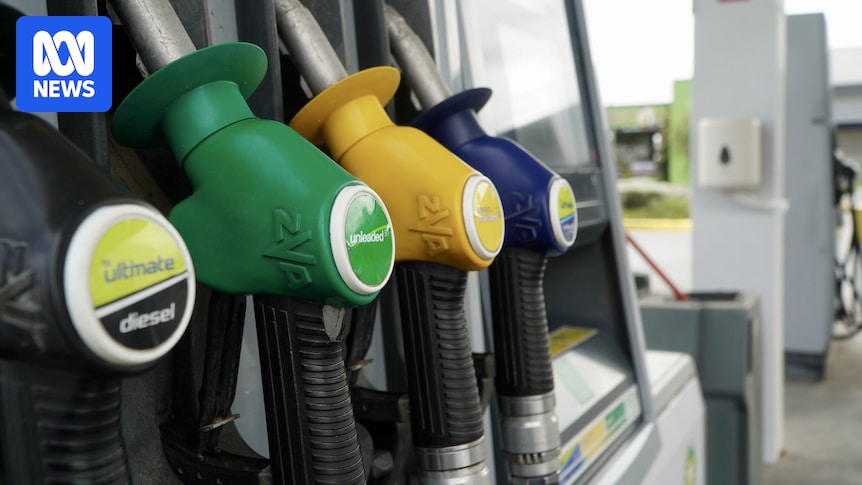
Automotive fuel is a significant component of the Aussie CPI basket, with a weighting of 3.35%.
Under the assumption Brent prices are close to USD90 a barrel by end-26 and USD75 by end-27 (slightly above market pricing but in line with our global commodity team forecasts), we expect y/y headline CPI inflation to hit a peak of 6% in monthly terms in June and 5.6% in quarterly terms in 4Q.
This is principally due to the direct impact of higher fuel prices but also a wide range of spillovers.
Prices for urea and fertiliser will also feed through to food price inflation. The question is, what’s the risk of leakage?
We think it’s likely that measures of core inflation will strengthen as well.
According to the NAB monthly business survey, input costs surged in March by the most on record, from 1.3% to 3% in quarterly equivalent terms. Final product price growth also increased in the month, up 1.1%, a smaller but still significant magnitude.
Weaker reported profitability means businesses are absorbing the higher costs by some degree. But margin pressures are intensifying. And with a shock as large as the one we are facing, the risk of pass-through is higher.
At the same time, household balance sheets entered 2026 in a relatively strong state. Real disposable income per capita rose steadily in 2025 as inflation and interest rates declined. Households were also in a savings state of mind. Buffers were being rebuilt with the household saving ratio climbing to 6.9% at the end of last year – a decent recovery from the 1.9% covid lows.
Unemployment holding at historically low levels has also been another key support. Given the starting point, second-round effects will be more of a challenge to contain.
We expect trimmed mean inflation to climb to 4.2% by 1Q-27 with a peak of around 1.1% in q/q terms in the second half of this year.
We don’t expect a return to the band until 2028.