
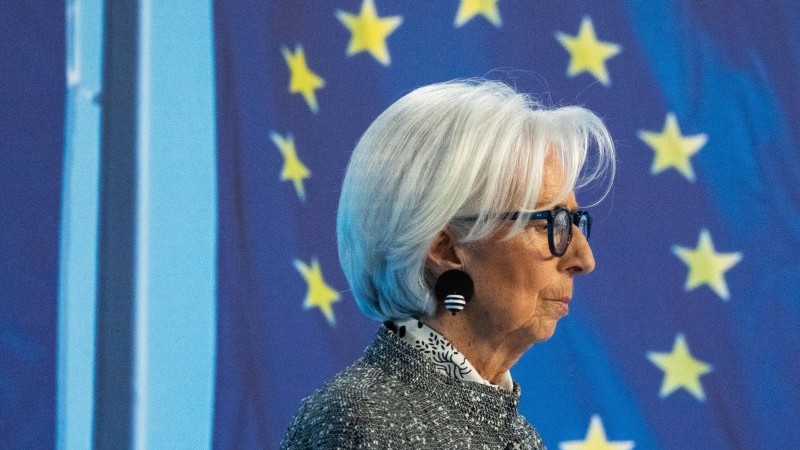
Back to the ECB’s April meeting, it’s obvious that the ECB’s famous ‘good place’ is no more. Instead, the ECB is back in crisis mode, shifting its focus away from longer-term projections to actual developments, back to a “driving at sight” approach. Key variables to watch are actual inflation data, survey‑based longer‑term inflation expectations, and wage developments, all of which will be weighed against the risk of slowing economic activity and financial stability concerns. However, only limited data will be available in two weeks: March inflation, a handful of country inflation releases for April, and initial estimates of first‑quarter GDP on the day of the meeting. In all honesty, that does not look sufficient to move the needle, unless the ghosts of 2022 are really keeping policymakers awake at night. Given the latest comments by ECB officials, they are not.
Looking beyond the April meeting, we think the ECB – like us – is expecting an initial inflation wave, starting with gasoline prices, followed by knock-on effects on transportation costs, food prices and other industrial products. As long as this remains a single, time‑limited wave, there is no need for ECB rate hikes. That said, three potential pain points remain for the ECB: a psychological one, ie headline inflation above 4%, reviving uncomfortable memories of 2022; an analytical one, ie core inflation above 3%, signalling broader price pressures; and a credibility one, ie a surge in survey‑based inflation expectations, which would make inaction increasingly difficult to justify. The longer the blockade of the Strait of Hormuz lasts, the higher the likelihood that some of these pain points will be hit. This is why we now see the ECB announcing at least one insurance rate hike, following the tradition of insurance cuts. Some would go so far as to call it a policy mistake.