
I understand why MPs are reluctant to swap him out for someone else. We have more examples of a PM swap leading to defeat than not. The only exception is Bill English taking over from John Key in 2016, and it is an exception because it was not done under the pressure of a looming loss.
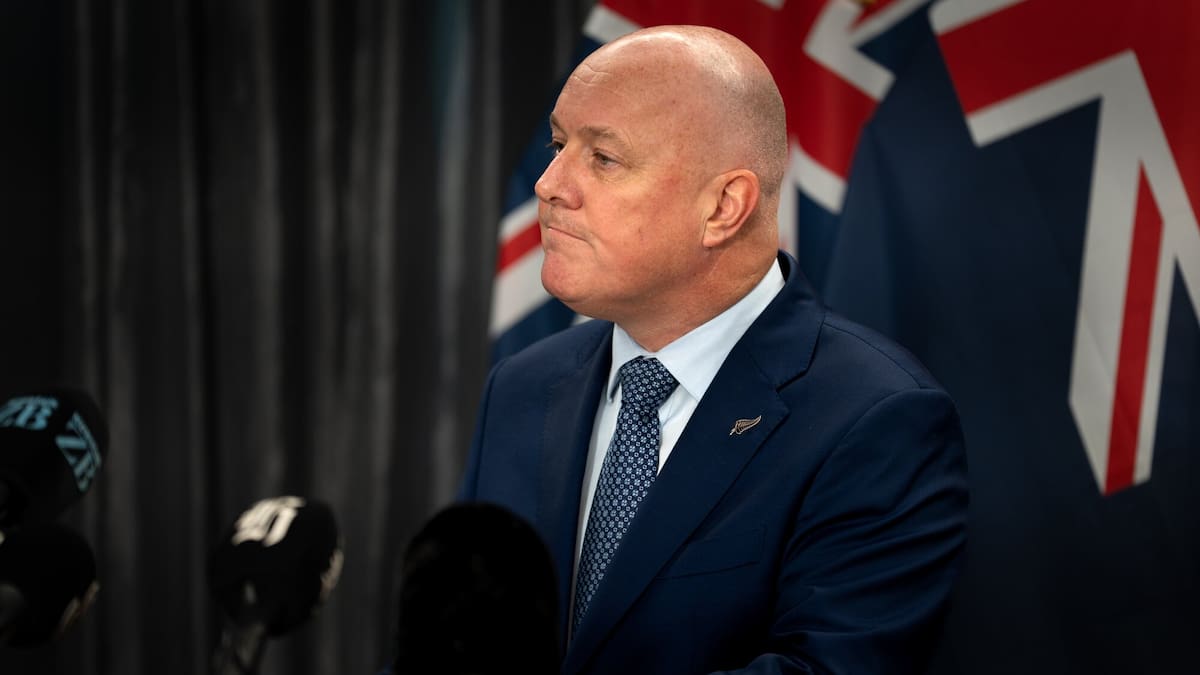
Christopher Luxon’s media interviews and party polling are weak, risking job losses for MPs in November. Photo / Mark Mitchell
But I would argue that in all the other cases – Chris Hipkins replacing Jacinda Ardern, Jenny Shipley replacing Jim Bolger, Mike Moore replacing Geoffrey Palmer – the defeat was going to happen anyway. The leadership swap was an attempt to avert it which didn’t work. The same is true now.
If National doesn’t switch leaders, it faces a spanking. It will be made worse by the fact that this ongoing talk of rolling Luxon will not go away. Some of it is just simple maths: too many backbenchers are (rightly) scared they will lose their jobs, so they will keep agitating for a change that might save them. Some of it is Luxon’s own doing: he punished Chris Bishop too harshly and has added revenge into the mix.
So, the choice is simple. Carry on with Luxon (which means locking in poor polling, embarrassing media interviews and ongoing instability) or roll the dice with someone else (and take a chance that it might improve).
Which brings us back to Mark Mitchell.
Mark Mitchell, a true conservative, offers media experience and simplicity, appealing to conservative voters. Photo / Sylvie Whinray
It is now a choice between Mitchell and Erica Stanford. Bishop is out of the running. He most likely won’t be rewarded by the caucus for the destabilising they will blame him for.
Stanford will be tempting because she has been outstanding in the education portfolio. She also reminds them of Ardern and the last-minute Hail Mary she achieved for Labour. It is largely because Stanford is a woman and no one knows much about her, which means voters can project whatever they like on to her.
Stanford would be a mistake. She is not well-liked by caucus. It is always a warning sign when your colleagues don’t really like you.
Stanford will also end up having the same ideological problem as Luxon. Both are so liberal they could happily be in the Labour Party. Modern conservative politics’ drive to push back on things like co-governance and diversity hires gives politicians like Stanford the ick. She will end up disappointing National’s conservative voters.
Erica Stanford (right) speaks on education policy, positioning herself as a potential alternative leader. Photo / Mark Mitchell
Mitchell is a true conservative. He will not angst over those policies to the same extent. He works in simple binaries like conservative voters: police are good, gangs are bad.
He is a genuinely warm man, which voters already see and like. He has plenty of media experience, having done a weekly appearance on the Mike Hosking Breakfast Show for eight years.
Mitchell’s weakness is that he doesn’t bring the intellectual heft some of his colleagues do. The biggest risk is that he might stuff up interviews by not being all over the myriad subjects PMs need to know. It’s not impossible to overcome. He can simply defer to his ministers. Voters will forgive some of that as reasonable, especially in the first few months of the job.
His simplicity is also his strength. It means he goes with his gut rather than overthinking things.
Having said all of that, this is not an easy choice for National MPs. No one is a standout candidate. Moving Luxon on is a huge risk. But leaving him in the job is a definite spanking waiting to happen.
All options are less than ideal. It’s a case of picking the least bad.
Catch up on the debates that dominated the week by signing up to our Opinion newsletter – a weekly round-up of our best commentary.