
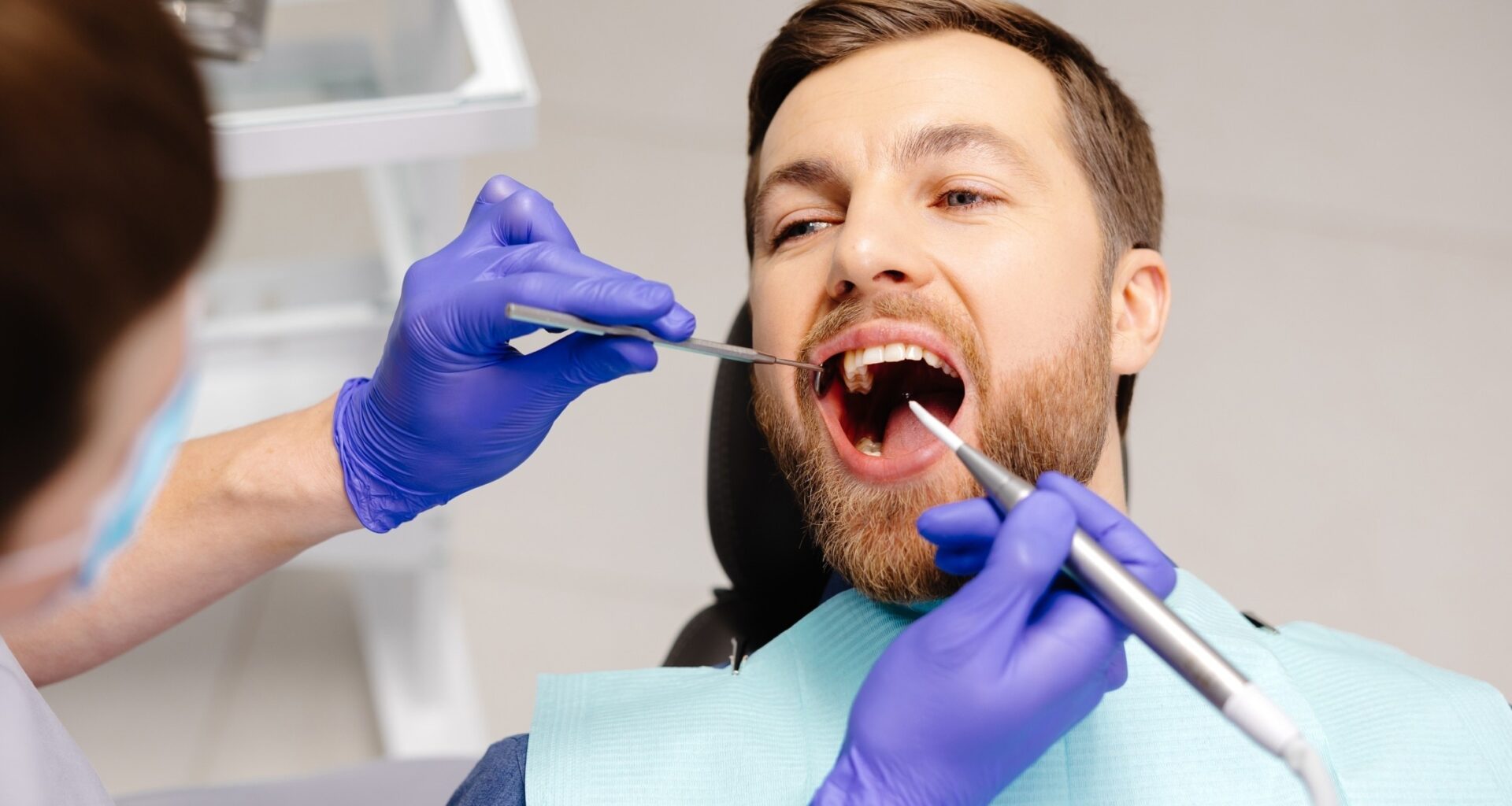
Researchers have found that an artificial saliva made from a sugarcane protein can protect radiation-damaged teeth from acid and slow the occurrence of cavities.
The finding creates a possible new defense for people who lose saliva after cancer treatment and face some of dentistry’s fastest, most destructive decay.
Building barriers where saliva fails

On irradiated enamel, the experimental rinse formed a protective layer that stood between the tooth surface and damaging acids.
Working from those enamel samples, Natara Dias Gomes da Silva from the University of São Paulo (USP) showed that a sugarcane-derived protein called CaneCPI-5 bound directly to the tooth.
This gave the coating unusual staying power, allowing it to shield enamel where saliva’s normal protection had been lost.
Hidden risks of radiation
Radiation near the mouth often damages salivary glands, causing xerostomia, persistent dry mouth from saliva loss.
This loss matters because saliva normally dilutes acids and feeds calcium and phosphate back into enamel.
Among people treated for head and neck cancer, that damage can turn routine decay into radiation caries, cavities that follow radiation treatment.
Halting that damage requires something that changes both the tooth surface and the bacteria on it.
Mimicking protective coating
Natural saliva leaves an acquired pellicle, a thin protein film, on teeth within minutes of cleaning.
Instead of adding moisture alone, the new rinse tried to rebuild that film with a protein engineered to stay on teeth.
Earlier CaneCPI-5 work had already tied this approach to weaker plaque growth and less mineral loss.
That aim made the product unusual, because most saliva substitutes are built to soothe symptoms more than merely protecting teeth.
Simulating post-radiation oral conditions
To mimic a tough clinical case, the team built a biofilm, a layered bacterial community, from saliva donated by five patients after radiotherapy.
Before microbes settled in, researchers treated small enamel blocks and repeated the rinse once daily for five days.
Some samples got only the sugarcane protein, while others also received fluoride and xylitol in the same base.
That setup posed a realistic challenge, although real mouths provide diet, pain, and brushing habits that a bench test cannot imitate.
Fluoride and xylitol boost protection
When CaneCPI-5 was paired with fluoride and xylitol, bacterial activity dropped to 38.3 percent in the best-performing formula.
Counts of surviving bacteria fell too, and enamel lost much less minerals than untreated samples did.
Compared against a commercial substitute and a standard antibacterial rinse, the combined version matched or beat both comparison groups.
Protein alone still helped, but the bigger effect was proven when fluoride and xylitol were included in the formula.
Protecting both balance and bacteria
Unlike harsher rinses, the combined formula did not simplify mouth community as a whole.
Instead, it preserved overall diversity while increasing the benefits of early colonizing mouth bacteria.
That matters because a broad antibacterial approach can leave an injured mouth vulnerable to tougher pathogens.
The result suggests the rinse may encourage the ecosystem toward balance rather than broadly eliminating bacteria.
CaneCPI-5 did not start in dentistry, because researchers first identified it during sugarcane genetics research.
Later, the protein showed it could bind strongly to enamel and reduce early erosion in a 2017 report.
That earlier result helps explain why the new rinse stayed on the tooth surface long enough to matter.
By the time the artificial saliva study began, the molecule already looked more like a tool than a novelty.
Adapting treatment for daily use
Patients need more than one delivery method, so the team did not confine the protein to a single format.
“We tested the mouthwash developed with CANECPI-5 by applying this solution to small pieces of animal teeth once a day for one minute,” said Natara.
Separate tests also showed promise in gels and dissolving films, thin strips that dissolve on the tongue.
Several workable formats matter because some patients need short-term relief, while others may live with dry mouth for years.
Toward real-world applications
Next experiments will pair CaneCPI-5 with pieces of statherin, another saliva protein tied to tooth minerals.
Researchers at USP also want vitamin E to carry the protein across the tooth surface and make home use easier.
“Based on these results, we’ll conduct further research so that we can think about applications of this product,” Silva said.
If those add-ons strengthen the film, the treatment could move closer to a product patients use without a clinic visit.
Practical defense for vulnerable teeth
By replacing one of saliva’s protective jobs, the rinse protected teeth before acids and bacteria could exploit a dry mouth.
Human trials still need to produce comfort, safety, and durability, but the idea now looks practical rather than theoretical.
The study is published in the Journal of Dentistry.
—–
Like what you read? Subscribe to our newsletter for engaging articles, exclusive content, and the latest updates.
Check us out on EarthSnap, a free app brought to you by Eric Ralls and Earth.com.
—–