

Waves crashed against Taihoro’s hull in the Hauraki Gulf on April 17, 2026, as Emirates Team New Zealand faced a dramatic testing setback with their cutting-edge AC75 foiling monohull. Just months from defending the America’s Cup in Barcelona, the incident—a critical failure in the port-side driver pod during a routine battery swap—halted a promising session, exposing vulnerabilities in the high-stakes world of foiling sail racing. This glitch, observed by the independent Recon Unit, thrust the defenders into urgent troubleshooting mode, reminding fans that even three-time champions aren’t invincible.
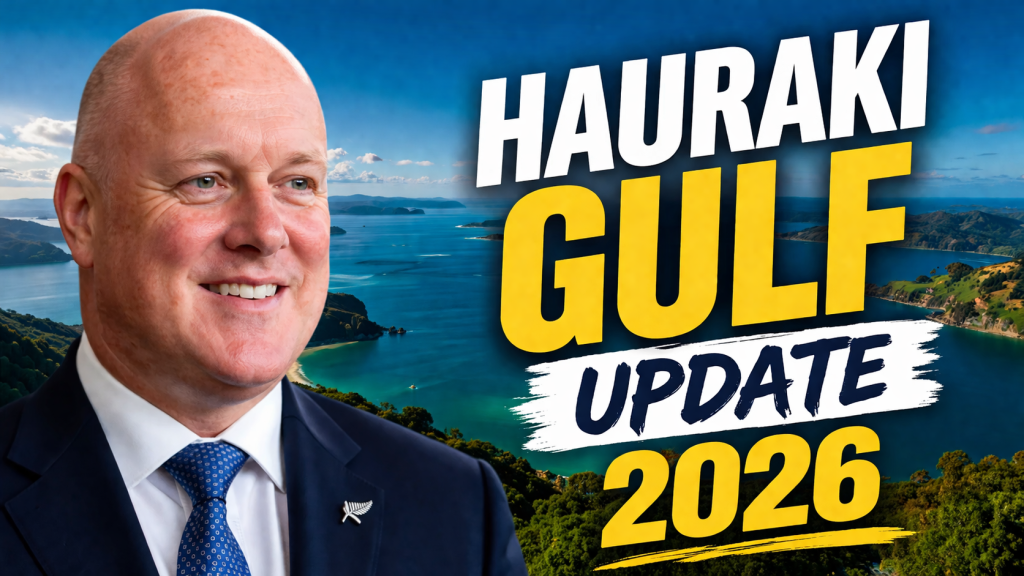
The Hauraki Gulf, Auckland’s glittering sailing jewel, has been ETNZ’s proving ground since early 2026, mirroring their triumphant 2021 campaign. With wind against tide creating choppy “warm-up” conditions off the north shore, Taihoro pushed boundaries—leeward heel tactics for stability, roll tacks in light air—before the breakdown at 2pm. As Peter Burling’s crew assessed damage, global eyes turned to New Zealand’s quest for a historic fourth Cup.
Hauraki Gulf Training Environment
Auckland’s Hauraki Gulf, a 1.2 million-hectare marine park spanning from the city to Great Barrier Island, offers ideal yet unforgiving waters for AC75 development. Easterly breezes of 12-18 knots, flat “back paddock” patches, and wavey north shore chop simulate race chaos. Recon reports from April 1 highlighted wind-tide battles demanding bow-up trim and flat heel modes, contrasting softer afternoon flats.
ETNZ logs six-plus-hour days here, leveraging home advantage before shifting to Barcelona’s Mediterranean for the Preliminary Regatta. Local marine life—dolphins trailing foils—adds whimsy, but protected status mandates eco-compliance, like no-discharge batteries. Gulf currents, up to 2 knots, test foil efficiency, mirroring Cup courses.
AC75 Technology Breakdown
The AC75 class, unchanged from 2024, enforces 75-foot waterline limits with radical foiling: T-rudders and J-shaped foils lift hulls to 15+ knots in 8-knot winds. Taihoro, ETNZ’s evolution of Te Rehutai, boasts refined “cocoon” cockpits shielding grinders, battery-powered systems for winches, and cyclors—pedaling flight controllers—delivering 2.5 kilowatts each.
Key innovations: adaptive foils auto-adjusting rake for stability, lockable mainsails with closed leeches, and J3 jibs for light-to-midrange. Weighing 7.5 tonnes fully rigged, these boats hit 50+ knot peaks, but complexity breeds fragility—cavitation in turns, pod electronics for drive units.
The Setback Incident
Day 10 recon on April 17 started strong: Taihoro nailed maneuvers in 8-12 knots, swapping to J3-2 jib at 2:37pm. Then, mid-session in the back paddock, a port driver pod malfunction surfaced post-battery change. Support chase boats swarmed; engineers spent 20 minutes diagnosing—likely thermal overload or wiring fault in the pod powering foil actuators.
Crew idled, sails down, as Burling’s team ran diagnostics. Session aborted early, echoing March 24’s traveller breakage in 20-knot squalls. Recon footage captured tension: mechanics clambering aboard, tools flashing under Auckland sun. No capsizes, but lost hours stung—prime foiling window squandered.
Team Response and Fixes
ETNZ’s brain trust, led by Chief Designer Dan Bernasconi and CEO Grant Dalton, activated rapid protocols. Shoreside at Wynyard Quarter, composites experts tore into the pod overnight, tracing to a sealant breach allowing saltwater ingress. Redundant starboard systems held, but full symmetry restores confidence.
Crew training intensified: Jake, Seb, Andy, Nathan, and Jo drilled light-air gybes, emphasizing delayed board drops to curb rudder ventilation. Battery protocols tightened—pre-session thermal scans, sealed housings. Burling praised resilience: “Breaks expose weaknesses; we fix faster than foes.” By April 18, Taihoro splashed for sea trials, pod upgraded with carbon shielding.
Performance Stats
Data underscores the setback’s bite amid solid progress:
Session DateConditions (Knots/Wind)Key AchievementsIssues EncounteredSpeed Peak (Knots)March 27Light (5-8)Maneuvers, take-offsRudder cavitation28April 112-18 E, choppyLeeward heel masteryNone major42April 17 (Day 10)8-12, flatJ3-2 jib swapPort pod failure35 (pre-break)Avg. 202610-15 mixed6hr+ sessions2 hardware faults38
Maneuver efficiency table:
Maneuver TypeSuccess Rate Pre-SetbackPost-Fix TargetNotesRoll Tack92%98%Slower turns keyGybe88%95%Delayed boardFoil Take-Off85%92%Cyclor powerLock-Down95%99%Traveller stable
Stats from Recon Unit aggregate 10 days: Taihoro averages 38 knots, outpacing 2024 benchmarks by 2 knots in similars.
Competitor Landscape
Challengers circle. INEOS Britannia’s Britannia refines Brits’ foils in Cagliari; American Magic’s Defiant tests NYC Harbor; Luna Rossa Prada Pirelli hones Milan Lake Garda. France’s Orient Express Racing eyes speed demons. ETNZ’s home edge wanes post-January Barcelona shift, where Mediterranean swells test seaworthiness.
Setback gifts rivals intel—pods vulnerable?—but Kiwis’ fix speed deters. Two-boat AC40 racing wrapped 2025 with internal battles, honing match racing for Preliminarys.
Road to the America’s Cup
Barcelona hosts June 2026 Preliminaries, culminating Match in late summer. ETNZ defends Aotearoa trophy, chasing dynasty. Post-setback, schedule compresses: Gulf intensives through May, transatlantic haul, then challenger clashes.
Youth programs, like Red Bull Foiling Generation, pipeline talent. Sponsorship swells—Emirates, Toyota—fuel $150 million campaigns. Hauraki’s legacy endures: 36th Cup victory cemented Auckland as sailing mecca.
For Jharkhand enthusiasts, parallels to cricket’s high-tech DRS—margins razor-thin, prep pivotal.
Conclusion
Taihoro’s Hauraki Gulf setback tests ETNZ’s mettle, but history favors the prepared. From pod woes to foil flights, Kiwis iterate relentlessly, embodying “no seconds.” As America’s Cup looms, New Zealand sails not just for silver, but supremacy—waves conquered, legacy etched. Gulf winds whisper: champions rise from breakdowns.

Nirti Singh is a news writer and digital content contributor at KorakoSpecklePark, covering key stories and regional developments across New Zealand and Australia. Her work focuses on clear, fact-based reporting, ensuring readers receive accurate and timely information.