
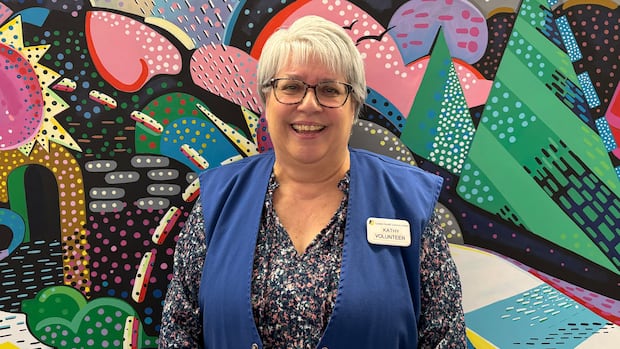
Kathy McGuire wasn’t expecting a cancer diagnosis the day she walked into the clinic.
It was 2007, and the visit was meant to address something routine. By the time she left, doctors had found cancer that had already spread.
She began years of treatment at London Health Sciences Centre that included five surgeries and chemotherapy.
Nearly two decades later, she returns regularly — this time as a volunteer.
“It gave me a purpose,” she said. “Maybe the journey I was given was for a reason, because I ended up here helping people.”
McGuire is one of about 500 volunteers at London Health Sciences Centre, many of them former patients who return to help others navigate care.
From patient to volunteer
At the Verspeeten Family Cancer Centre, McGuire now guides new patients through their first visits — helping them find their way and answering questions.
She has been volunteering for nearly 15 years, taking on different roles within the clinic.
“As a survivor, I can relate to the people that are here, no matter what they might be going through,” McGuire said. “I’ve been in their shoes at one point through their journey.”
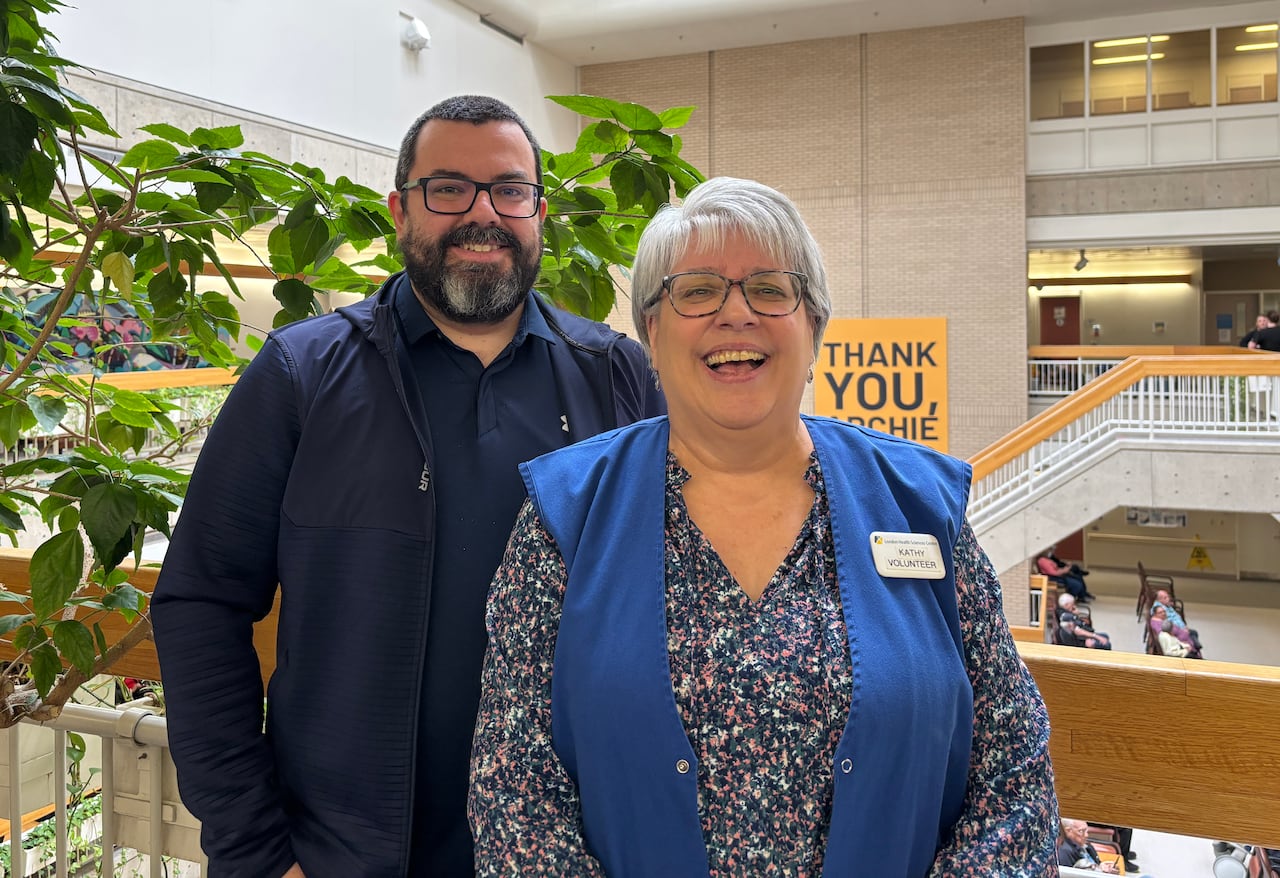 Kathy McGuire, right, stands with her son Sean McGuire at London Health Sciences Centre, where she volunteers and he works. (Josiane N’tchoreret-Mbiamany/CBC)
She said it was volunteers during her own treatment who inspired her to return.
“They didn’t look at you as a cancer patient. They looked at you as a person that they could help,” she said. “I thought that would be something fun to do. It would be rewarding.”
For her son, Sean McGuire, the decision to return as a volunteer came as a surprise.
“It’s a big ask. It’s a big dedication of time and work, and knowing what she had gone through, it was like, you’ve earned sitting at home,” he said.
But he said it quickly became clear why she chose to do it.
“We knew she’d be doing something that she enjoyed and that she’d be able to help people out,” Sean said. “She felt that it was necessary, and once she decides it’s happening, it’s happening.”
Over the years, McGuire said her goal has stayed the same: to offer reassurance to patients facing the same uncertainty she once did.
“Let them know somebody else has been in their shoes, and they’re still walking around to talk about it,” she said.
A wider impact
That connection extends beyond patients.
For Sean, it meant feeling supported not just as a son watching his mother go through treatment, but as someone trying to figure out how best to help her.
“There were people who knew what we were going through and knew maybe the little things that could help us through the day,” he said.
Those interactions made a difficult time more manageable.
“It was that personal connection from someone else who had gone through it that made it easier for us to deal with it,” he said.
Meaghan Innes, manager of volunteer services at London Health Sciences Centre, said volunteers play an important role in helping both patients and staff.
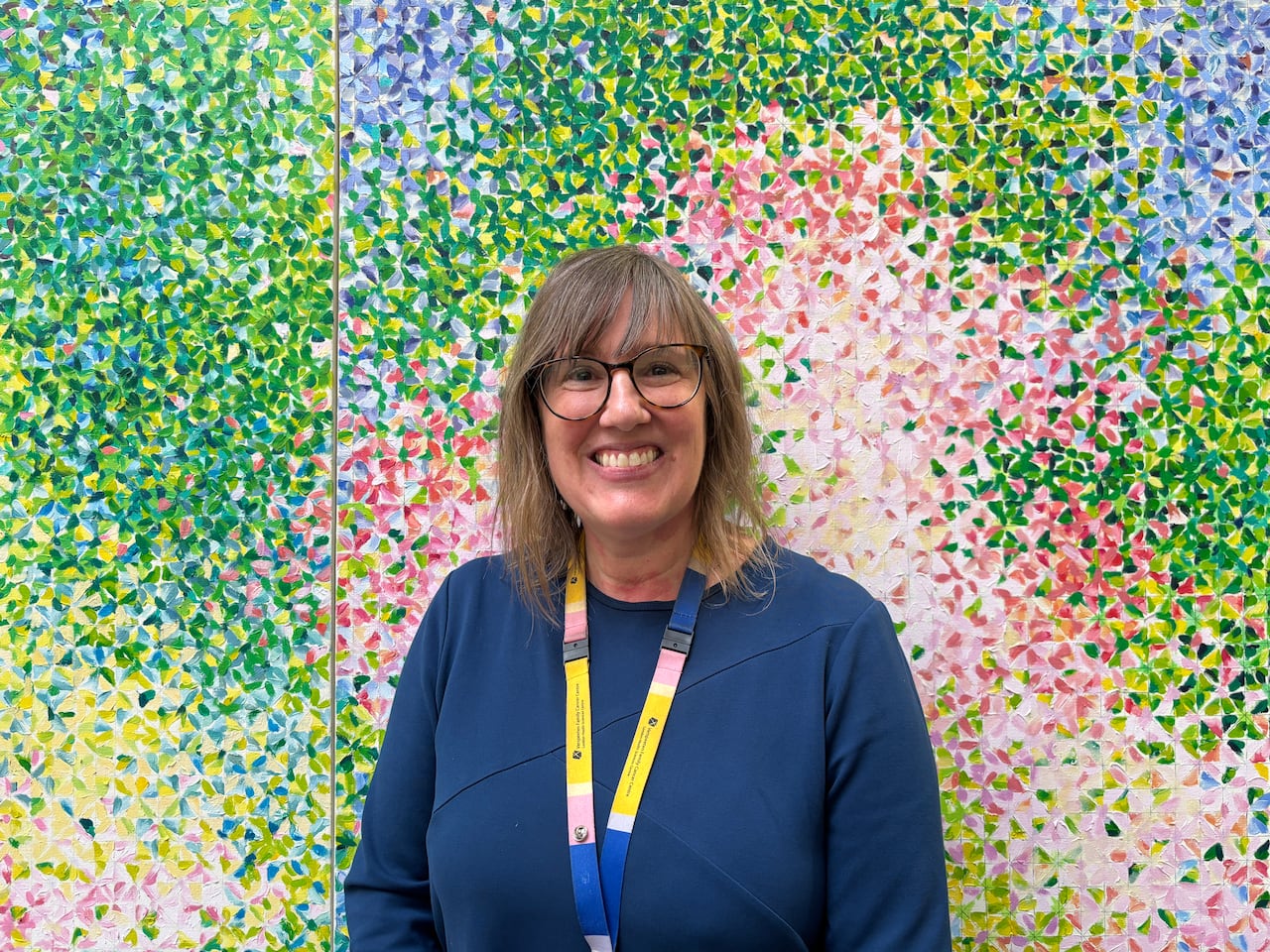 Meaghan Innes, manager of volunteer services at London Health Sciences Centre, says volunteers play a key role in supporting patients and staff (Josiane N’tchoreret-Mbiamany/CBC)
She said volunteers help reduce stress and confusion for patients and visitors, while also supporting the flow of clinics and allowing staff to focus on patient care.
Innes added the program continues to evolve based on what patients, staff and the broader community need.
“We’re always listening to what our patients are asking, what our community is asking and what our staff members are noticing that we can help support,” she said.
The volunteer experience
Volunteers at London Health Sciences Centre come from a range of backgrounds, from students exploring careers in health care to former patients looking to give back.
Innes said volunteers receive training to help them feel prepared and supported in their roles.
“We work with educators to help set volunteers up for success,” she said. “They learn how to support patients while maintaining the boundaries of a volunteer role and respecting patient privacy.”
She said volunteers help fill gaps in the patient experience, offering help that complements the work of clinical staff.
For McGuire, volunteering is a way of giving back to the place that once supported her.
She said the impact often comes in small, everyday moments — from sharing a laugh with patients to helping them feel more at ease.
What began as one of the most difficult experiences of her life has since taken on new meaning through that work.
“I’ve never regretted a day that I’ve been here,” she said.
For more on volunteering at London’s hospital network, visit the London Health Sciences Centre website.