
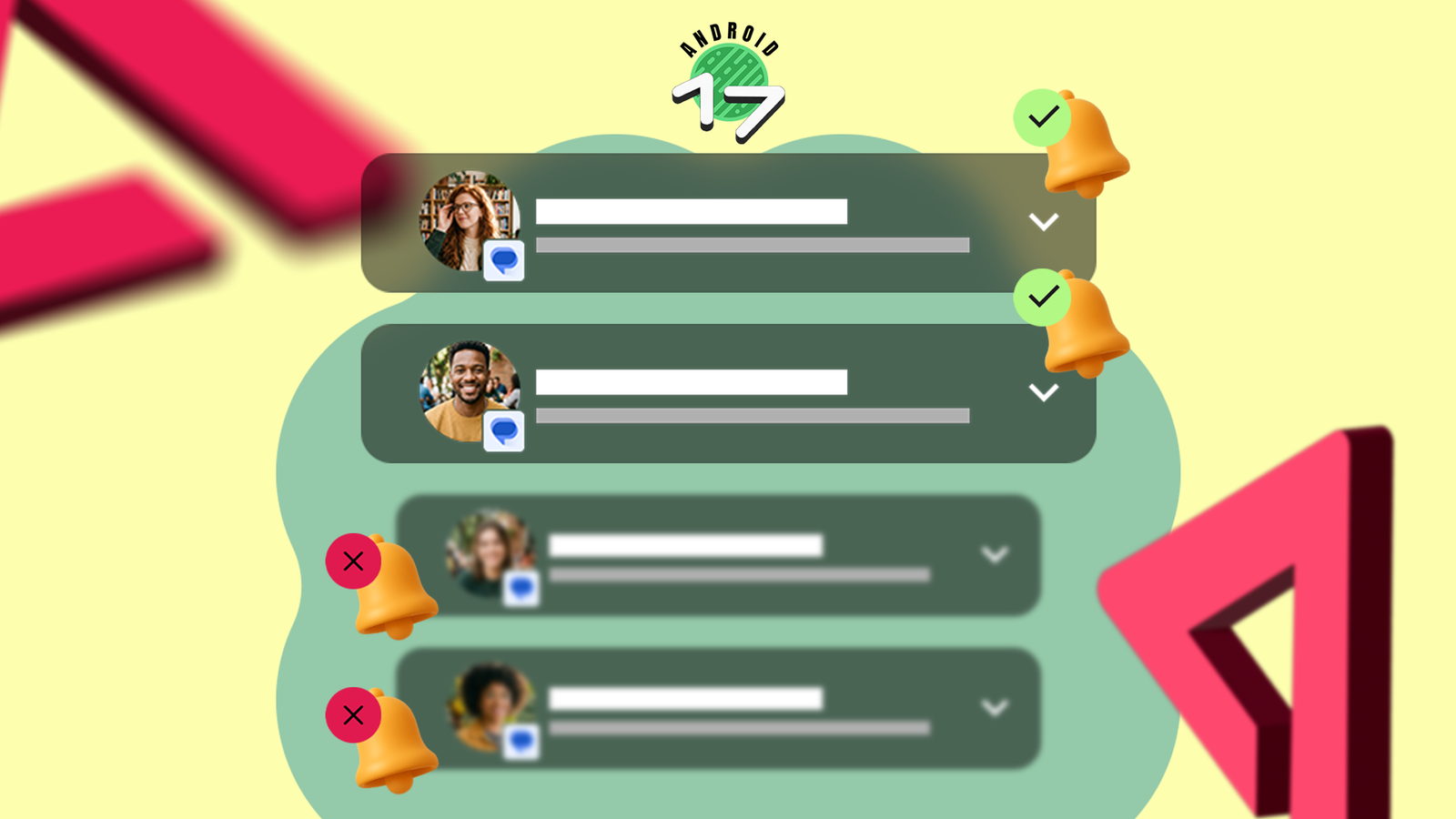
Android no longer has a notification overload problem. It has a notification quality problem.
Google has given us many tools to manage alerts, but most still treat the app as what matters most. That sounds reasonable until real life gets involved.
Usually, I don’t want to mute an entire platform. I want to mute the loud people, keep the important people loud, and push everything else into the background.
That is what makes the latest Android 17 leak so interesting. The leaked strings suggest Android may finally be getting a system that lets us shape notification behavior around both specific apps and specific people.
Google has not officially announced Notification Rules for Android 17. This is an APK teardown by Android Authority, not a public feature promise. Late-cycle Android features can change or disappear.
What we know so far about notification rules
Credit:
Lucas Gouveia / Android Police | Sinseeho / Shutterstock
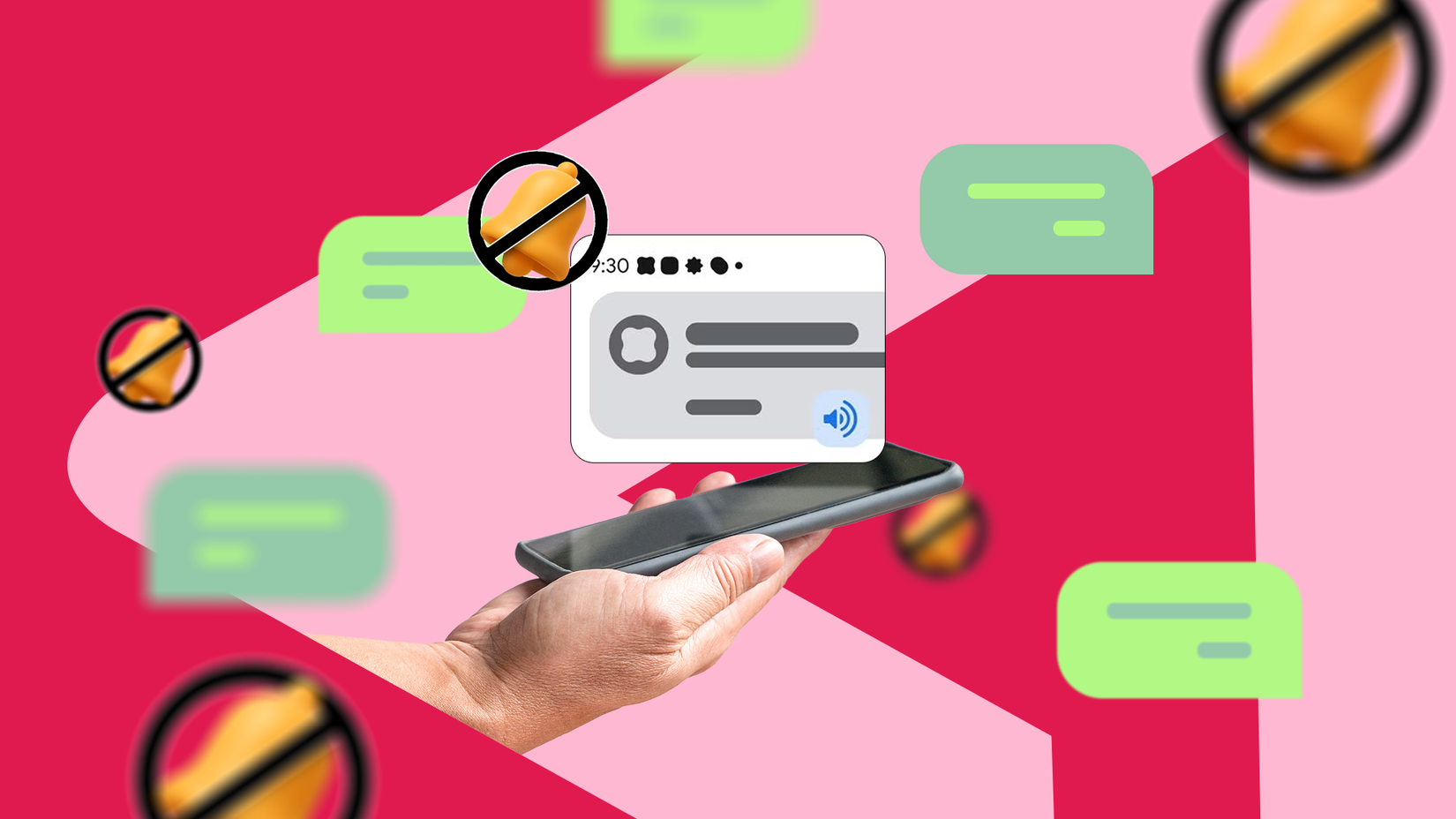
In Android 17 Beta 3, the publication found strings referencing a new Notification Rules screen, a Create New Rule flow, separate selectors for App and People, and a searchable picker that supports selecting multiple entries at once.
Those same strings have also been spotted in leaked Samsung One UI 9 builds, which suggests this isn’t exclusive to Google Pixel devices.
Taken together, this looks like an active feature in development rather than a random string left behind in the code.
App
People
You can set rules for apps and people.
App
People
You can look up contacts, possibly apps too, and then decide to include all or none for that rule.
Deselect all
Edit
Nothing selected
%1$d selected
Save %1$d selected
Search
Search results
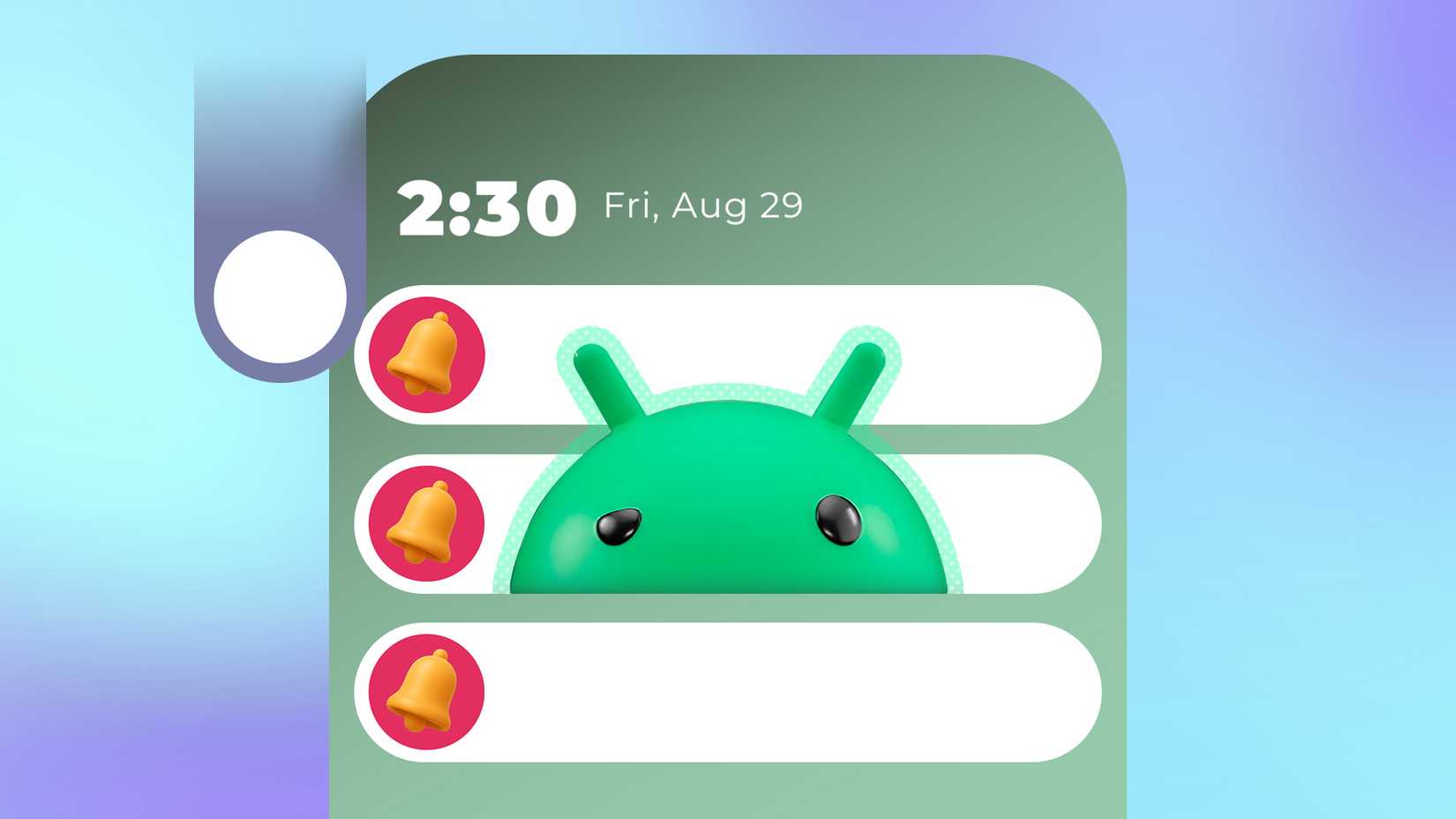
The most interesting part is the list of actions tied to those rules. The leak points to five possible behaviors:
Silence
Block
Silence & Bundle
Highlight
Highlight & Alert
How these leaked notification actions may work in practice
Credit: Lucas Gouveia / Android Police
The leaked labels aren’t descriptive, but their meaning is still pretty easy to read.
Silence
Silence is the easy one. A notification probably still comes through, just without the sound or vibration that makes you stop what you’re doing.
Block
Block is more absolute, suggesting the alert is suppressed entirely.
Silence & Bundle
Silence & Bundle reads like some form of batching or grouped handling.
That would make sense for noisy chats or lower-priority threads you still want access to without letting them flood your notifications.
It also fits with Android’s existing support for grouped notifications and separate group alert behavior.
Highlight and Highlight & Alert
Highlight and Highlight & Alert look like the reverse of Silence and Block.
This is for the people you never want pushed down the stack, like your partner, your doctor, your kids’ school, or your boss.
Still, Highlight by itself is vague. It could mean bolder visual styling, placement near the top of the notification shade, or some type of priority along those lines.
Until Google shows the interface publicly, that part is still an educated guess.
Silence and Block
Silence and Block makes sense for low-priority contacts you do not really want around.
It reads like a middle ground between muting someone and blocking their contact outright.
This feature could matter a lot more with context-based automation
Credit: Lucas Gouveia / Android Police | Siberian Art / Shutterstock
This feature becomes much more interesting if Google or Samsung lets it plug into a broader automation system like Modes and Routines.
On its own, Notification Rules already sounds useful. Tied to context, it could become one of the best quality-of-life upgrades.
Imagine arriving at work and having your phone quietly silence most personal chats while still letting your partner, family, boss, or emergency contacts break through.
Then the moment you get home, the logic reverses. That kind of logic is more natural when built around people instead of apps.
Current automation systems can already mute certain kinds of alerts or turn on Do Not Disturb under specific conditions, but they still paint with a broad brush.
What we still do not know about notification rules
The biggest unknown is app support. Android’s existing conversation system depends on apps adopting certain frameworks, including MessagingStyle, long-lived shortcuts, and person metadata.
So person-based rules will probably work best in apps that already behave like native Android conversation apps.
That is very different from saying every third-party app with a contact list will suddenly understand and support the system.
Still, Google might force the devs to play along. That would hardly be a first.
In that future, we may finally get a phone that knows how to mute John Doe wherever he reaches out across Instagram, X, and WhatsApp.