
WASHINGTON (7News) — A growing social media trend aimed at building muscle and maximizing appearance is catching on with young men across the country — including in the D.C. region — but pediatricians warn it could come with long-term health consequences.
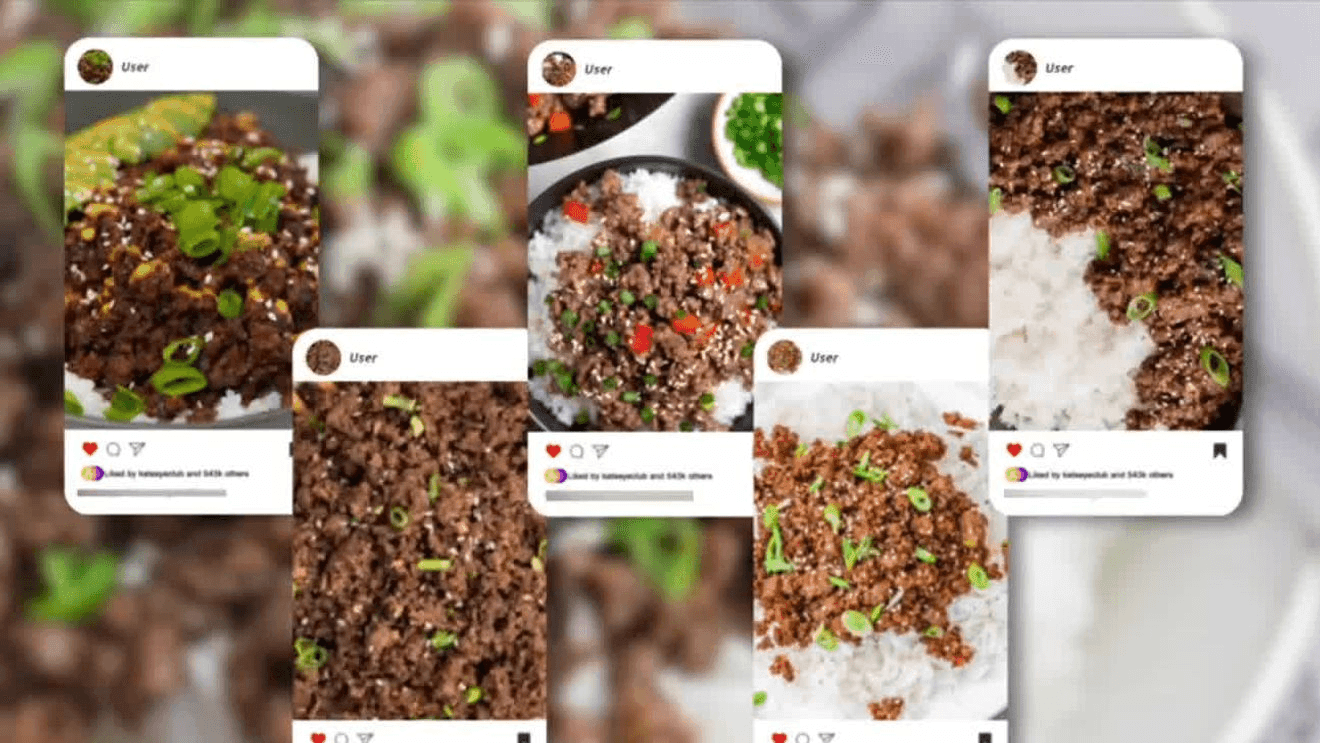
The trend, often referred to online as “looksmaxxing,” encourages boys and young men to optimize their physical appearance through strict routines. One piece of that movement has gained particular traction: a diet nicknamed “boy kibble.”
Despite the tongue-in-cheek name, doctors say the issue is serious.
RELATED | ‘Looksmaxxing’ influencer ‘Clavicular’ arrested in Fort Lauderdale
“Boy kibble” typically consists of little more than ground beef and white rice — a simple, inexpensive meal that proponents say helps maximize protein intake and muscle growth. Its bland appearance has even become part of the appeal, serving as a kind of badge of dedication among online fitness communities.
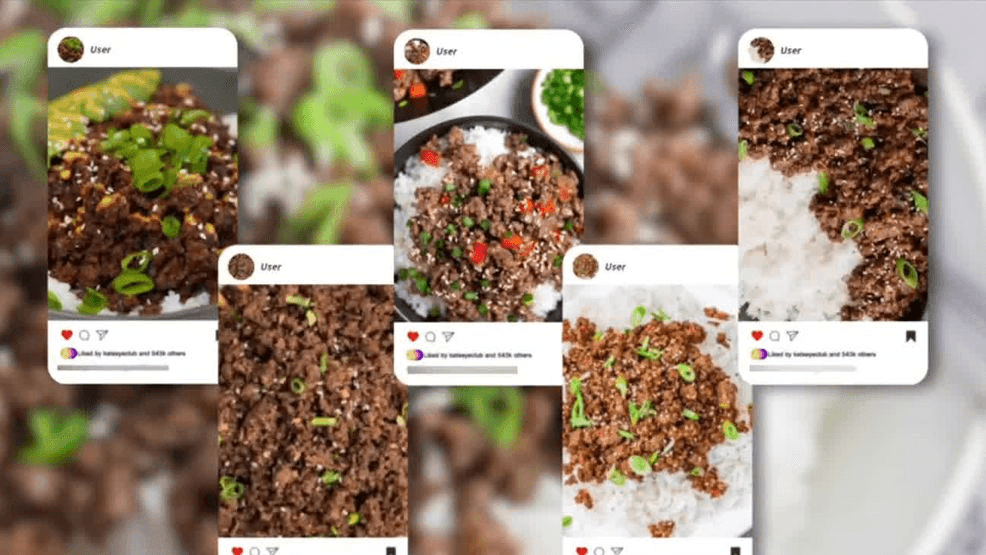 The trend, often referred to online as “looksmaxxing,” encourages boys and young men to optimize their physical appearance through strict routines. One piece of that movement has gained particular traction: a diet nicknamed “boy kibble.”
But according to Dr. Mutsa Nyakabau, a pediatrician with Kaiser Permanente at the Ashburn Medical Center, the diet is far from balanced — and potentially harmful, especially for developing bodies.
“It’s this very austere meal comprised mostly of white rice and ground beef,” Nyakabau said. “It’s framed under this guise of masculinity — that taste doesn’t matter, only results do.”
Nyakabau says he’s seeing the influence of the trend firsthand in his practice, with some patients as young as twelve expressing interest in highly restrictive, muscle-focused diets.
“These are kids in a very important stage of growth and development,” he said. “And when you have a hyper-restrictive diet that focuses only on protein and carbohydrates, you miss a lot of the supportive nutrients that growing bodies need.”
That gap can have lasting consequences.
One of the biggest concerns is bone development. Adolescence is a critical window for building bone density — something that cannot easily be corrected later in life.
“If you miss the opportunity to consume things like calcium and vitamin D, you don’t get another opportunity,” Nyakabau explained.
“Your body will leach those nutrients from your bones, increasing the risk of weakness and fractures.”
That runs counter to the very goal many of these teens are chasing: getting stronger.
Beyond bone health, doctors say the diet can lead to immediate digestive issues and potentially serious long-term effects.
A lack of fiber — due to minimal fruit, vegetable, and whole grain intake — often leads to constipation, something Nyakabau says he sees frequently. But the concerns don’t stop there.
Low intake of essential nutrients like vitamin C, folate, and fiber can contribute to inflammation and poor gut health. Over time, that may increase the risk of conditions like colorectal cancer.
“There’s also a gut-brain connection,” Nyakabau added. “Nutrition plays a role in emotional regulation, which is especially important during the teenage years.”
Ironically, the restrictive diet may even undermine muscle growth itself.
Nutrients found in fruits and vegetables support collagen production and cell division — both essential for building muscle — meaning the “boy kibble” approach could actually work against its intended purpose.
Part of what makes the trend difficult to counter is the powerful influence of online communities.
Nyakabau says social media platforms can amplify extreme behaviors by rewarding them with attention and validation.
SEE ALSO | Never-ending battles between social media companies and the public with few good solutions
“When teens post these meals, they’re often met with overwhelming support,” he said. “It creates a sense of belonging, and that reinforcement makes it harder to step away.”
He also noted that many teens view fitness influencers as trusted voices, even when they lack formal nutrition training.
“Not everyone with bulging muscles is an expert,” he said. “That’s an important lesson for young people to learn.”
In some cases, Nyakabau says the behavior may rise to the level of an eating disorder — something that can be easy to miss.
“A teen might say, ‘Yes, I’m eating five or six times a day,’” he explained. “But if you don’t ask what they’re eating, you could miss that it’s extremely limited.”
That’s why he encourages both parents and healthcare providers to dig deeper into dietary habits.
Convincing teens to abandon the trend entirely may be unrealistic, especially given the social pressures involved. Instead, Nyakabau recommends a more collaborative approach.
“Start with curiosity,” he said. “Ask what their goals are, and then explain how a more balanced diet actually helps them achieve those goals.”
Simple changes can make a meaningful difference:
Swap white rice for brown rice to increase fiber intakeAdd frozen or fresh vegetables for essential vitamins and mineralsIncorporate a wider variety of foods to support overall health
“Just throwing some color into the bowl can go a long way,” he said.
Ultimately, Nyakabau says the trend reflects a larger issue: the growing influence of algorithm-driven content on young people’s behavior.
“These platforms are designed to keep feeding you more extreme versions of what you’re already watching,” he said. “Teaching teens to question what they see — and not just accept it — is one of the most powerful tools we can give them.”
For parents concerned about their child’s eating habits, he recommends reaching out to a pediatrician or exploring resources through Kaiser Permanente, including lifestyle medicine programs focused on nutrition.
As the “boy kibble” trend continues to spread, doctors say awareness is key — not just for teens chasing gains, but for the families trying to keep them healthy along the way.