

Summary
Pixel patent shows a slide-in metal battery chassis with spring contacts — not a true hot-swap battery.
EU rules force user-replaceable batteries (with commercial tools) by February 2027.
Patent may never ship in a device; phones will likely stay sealed with adhesive, not true back-to-battery swaps.
Remember the early smartphone era, particularly Samsung’s Galaxy S series phones? When your device’s battery health was depleted beyond the point of viability, you could easily swap in a new cell. Or, if the battery needed charging, but you didn’t have time for a top-up, you could pop in a spare battery in just a few seconds.
While we’re likely never going back to that time given the unibody and IP68 water- and dust-resistant design of modern smartphones, a Pixel-related patent from a few months ago recently caught my attention (via Android Police).
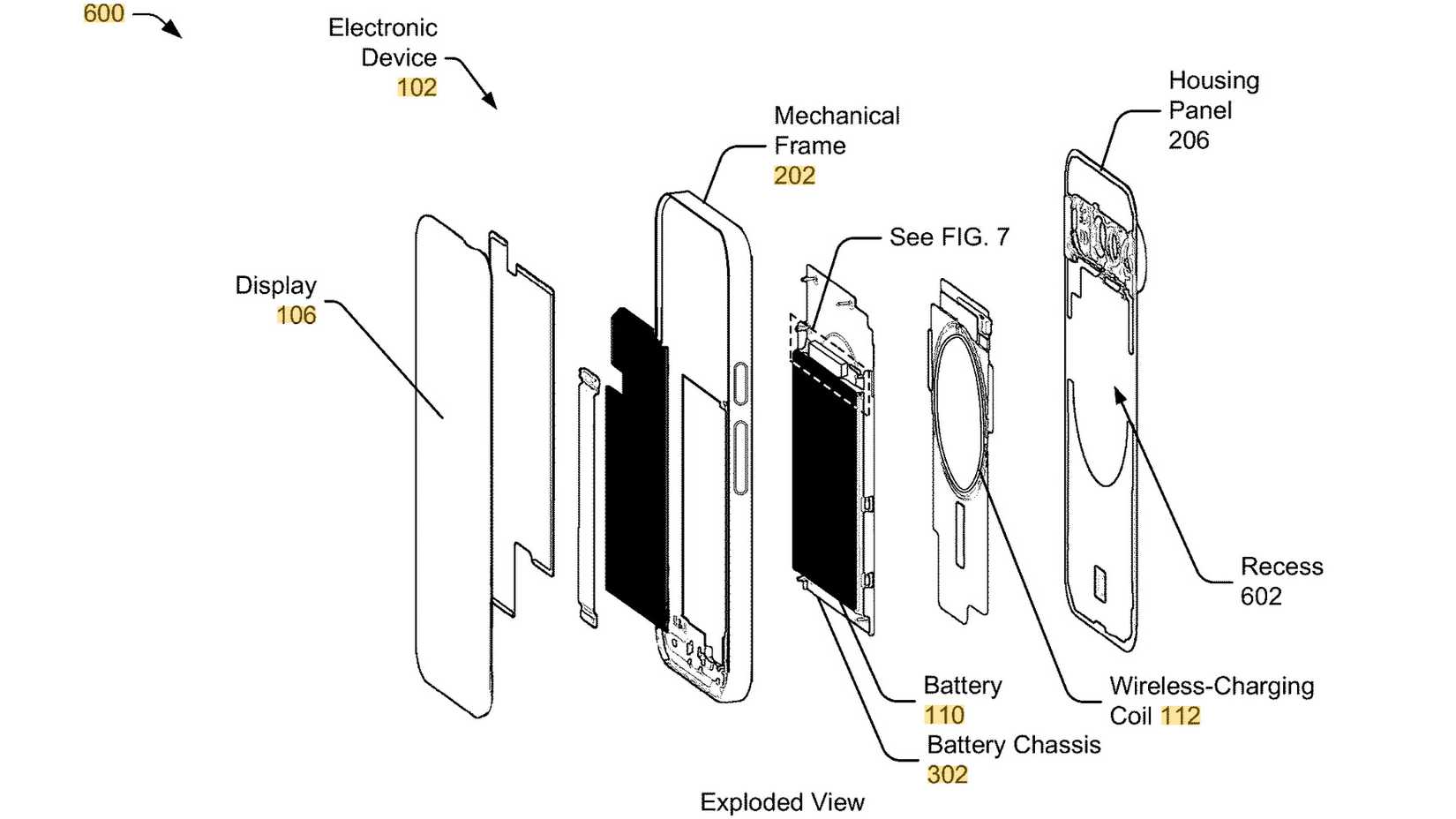
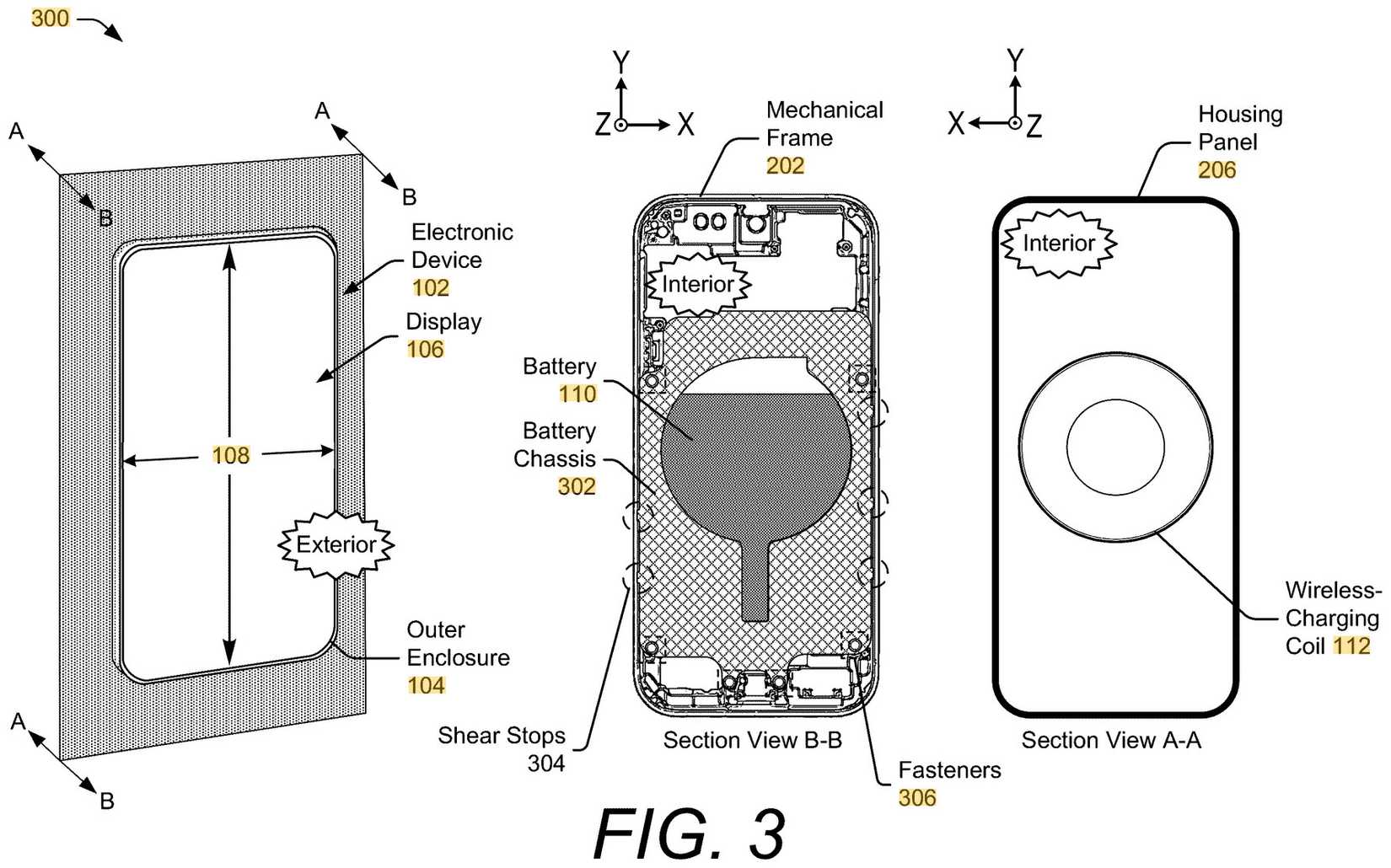
The patent shows a new way to mount a battery inside a phone’s body. With this design, the cell is mounted inside its own metal chassis. The assembly then slides into the phone’s frame and locks into place with a set of spring-loaded contacts.
Credit: Google
There’s no adhesive or pesky screws; you just need to slide it in and lock the battery in place. Sounds cool, right? Unfortunately, this isn’t a return to the hot-swap battery smartphone era, where you could pop open your phone with a single button press. Whatever phone this new battery mechanism ends up in will likely still be sealed with adhesive.
This patent was originally filed on January 1st. There’s no clear indication that it’s related to a Pixel device or Google’s upcoming Pixel 11 line. However, given that Google filed the patent, it’s very possible we might see it in the tech giant’s next smartphone series. It’s also worth noting that patents are filed all the time and never actually make it to a consumer product, so there’s a possibility this unique battery mechanism may never be released.
We can thank the European Union for this one
Manufacturers have until February 2027 to make sure users can remove and replace batteries
Credit: Google
Similar to the iPhone’s switch from Lightning to USB-C, this patent filing likely stems from an upcoming EU regulation requiring manufacturers to redesign their devices by February 2027 to allow users to remove and swap batteries using “commercially available tools.”
This means that while we’re unlikely to return to the days when you could pop off the back of your device and swap the battery, we’ll likely see more mechanisms like this in smartphones in the future, though I expect the glue that holds most devices together to stick around.
Hopefully, this straightforward battery replacement mechanism will also make its way to devices like laptops and smartwatches.

Related
Android Auto kept disconnecting until I changed one hidden setting
The solution to my issue was more straightforward than I expected.