
The SPCA believes the overhaul of the Fisheries Act “significantly reduces” oversight of any possible animal welfare infringements in the Commercial Fishing industry by putting on boat footage under lock and key.
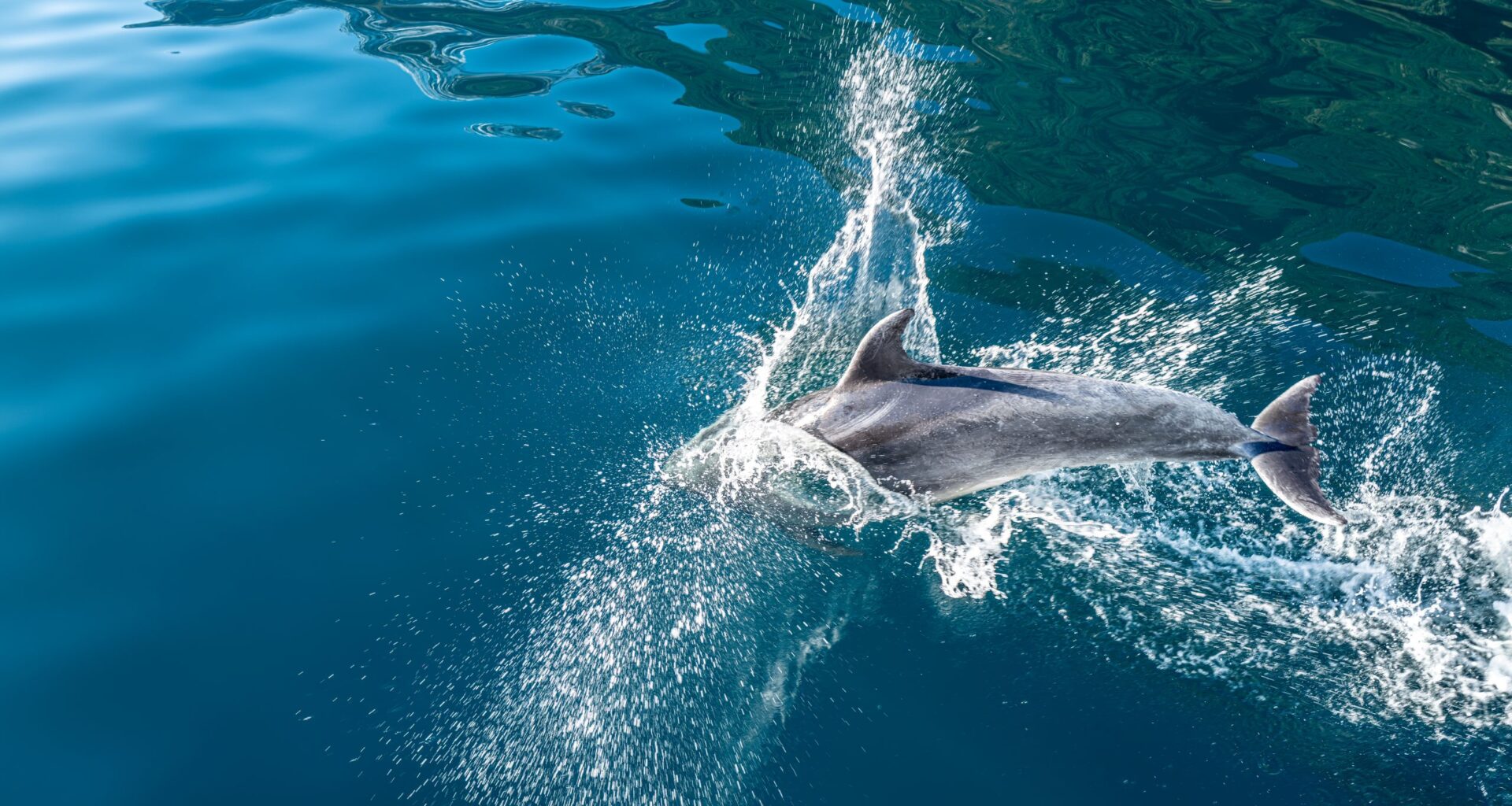
Its concerns come as environmental advocacy groups reveal 146 marine mammals were killed in marine mammal sanctuaries in the past two fishing years, attributed to commercial set‑netting and trawling.
The SPCA is mainly known for advocacy around cats and dogs and farmed animals such as cows and sheep, but its senior science officer Dr Christine Sumner says it has been involved in fisheries policy for some time, but largely out of the public eye.
It is now urging the public to file select committee submissions on the Fisheries Amendment Act, which was extended by a week to May 6 on Thursday due to “great public interest”.
It has problems with a lot of the bill, but Sumner says the restrictions it puts on onboard camera footage is its central issue.
Under the Amendment Act, which passed its first reading at the end of March, footage from the cameras on boats programme is exempt from the Official Information Act, and anyone caught leaking footage could be fined up to $50,000.
That’s despite no footage originating from the cameras on the boats programme ever being released through the Official Information Act or by whistleblowers.
This has been an unpopular move with many members of the public, but it is a policy the seafood industry supports wholeheartedly, previously having told Newsroom there isn’t really a need for the public to see the footage itself as long as the government continues to provide the data publicly.
For Sumner and the SPCA, the data doesn’t capture the whole story, particularly how animals, ranging from marine mammals like seals and dolphins, seabirds such as penguins and albatross, and unintended fish species, are treated in these interactions.
(Yes, fish are protected under the Animal Welfare Act)
“We’re concerned about decline of seabird populations, but we’re also really concerned about the individual bird that has an interaction that collides with a boat or gets caught on a long line.
“The welfare of that animal absolutely matters to us, and we know it matters to a lot of people.”
She says the animal welfare issue is often lost in these discussions, and many of its concerns in this area would be captured in onboard cameras.
“We don’t want to be stepping backwards by removing the Official Information Act as a mechanism to ensure that accountability for how animals are being treated.”
She says SPCA is sympathetic to privacy concerns, but believes there are – or could be – robust processes in place to protect fishers’ privacy while working on these vessels.
Marine mammals
According to data obtained by the Environmental Law Initiative, 146 marine mammals, including numerous Hector’s dolphins, Dusky dolphins, and seals, have been killed inside Aotearoa New Zealand’s marine mammal sanctuaries over the past two fishing years.
The Initiative, and WWF New Zealand, Māui and Hector’s Dolphin Defenders, and the Endangered Species Foundation are now launching a campaign urging Conservation Minister Tama Potaka to use the Marine Mammals Protection Act to strengthen protections in these sanctuaries.
Seafood NZ says any interaction that results in the injury or death of a marine mammal is taken seriously by the fishing sector.
“Fishers operate in a shared marine environment, and no one wants to see protected species harmed,” it says.
“This is why there has been a sustained focus on reducing risk through improved fishing practices, technology, and monitoring. The industry has been actively working to strengthen protections through gear innovation, area-based management, or increased onboard monitoring.
“There is more work to do, and the sector is committed to continuing to reduce these deaths.”
For Sumner, the mortality stats raise questions about the availability and use of onboard camera footage.
“Those cameras are supposed to be picking up as much as possible… We know those cameras are on the boat, they’re filming things, and when MPI reviews the camera footage, the question to ask is what happens to animal welfare cases.”
There is no accusation that any of these fishers has committed animal cruelty or unnecessary stress post capture.
“We know that the data on the animals that are killed and captured and injured and released, a lot is being reported, right? Those stats are available on MPI website. We don’t know what’s going on with incidences of animal welfare offences or potential offences.”
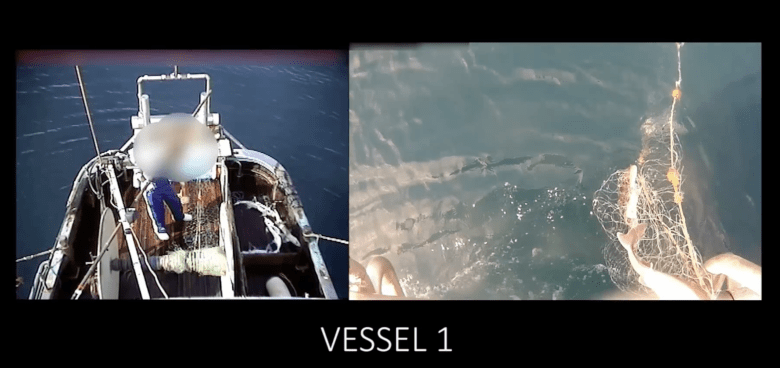 Anonymised footage from fishing vessels was released as part of Operation Achilles in 2016. Screenshot: Operation Achilles
Essentially, the stats don’t tell the full story for organisations like SPCA.
Seafood New Zealand believes the regulator, which sees this footage, is best placed to handle any instances of animal welfare issues.
The Ministry for Primary Industries handles both fisheries and animal welfare.
Publicly available reports of what could be deemed cruelty were released by Forest and Bird in 2022, with observer reports obtained under the Official Information Act detailing sharks being stabbed to death unnecessarily to remove hooks, with the crew member then swinging them by their tails and “throwing them as high as he can”.
Other reports detailed “cutting the jaws through to the gills and guts at times to get the hooks back then discard the dying body” with no effort made to kill them first.
Such instances will be extremely rare but the SPCA believes having the option to assess such reports would give it, and the public, more confidence in the seafood sector.
“We are a welfare organisation, so we accept people fish and consume feed fish, this is a part of our lives.
“We need to do better by protecting the welfare of animals and with this bill we have really big questions around how this is impacting public confidence in the systems that are protecting animals and I think in the long term the sustainability of the industry.”