
George Wilkes Archive/Getty Images
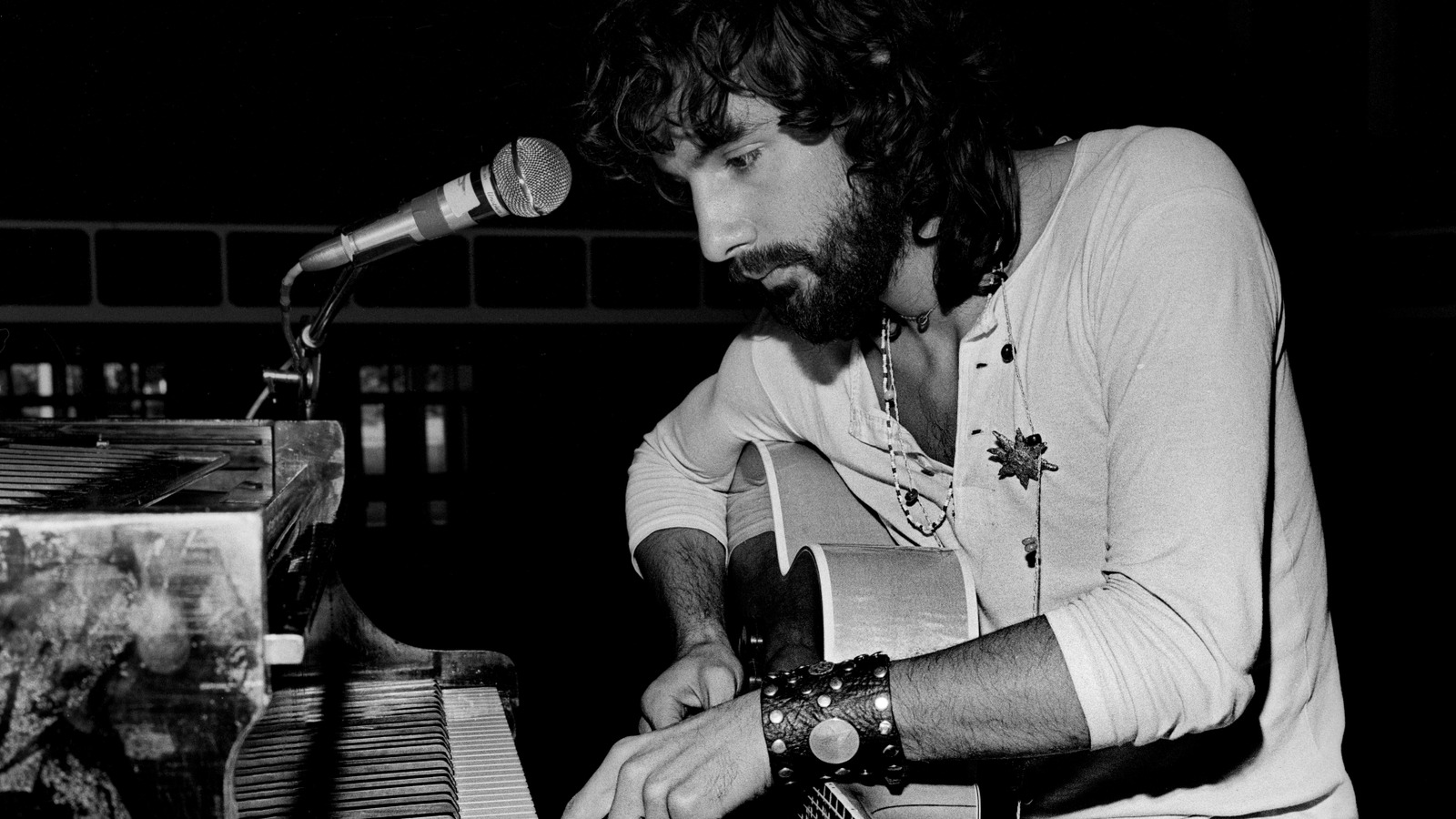
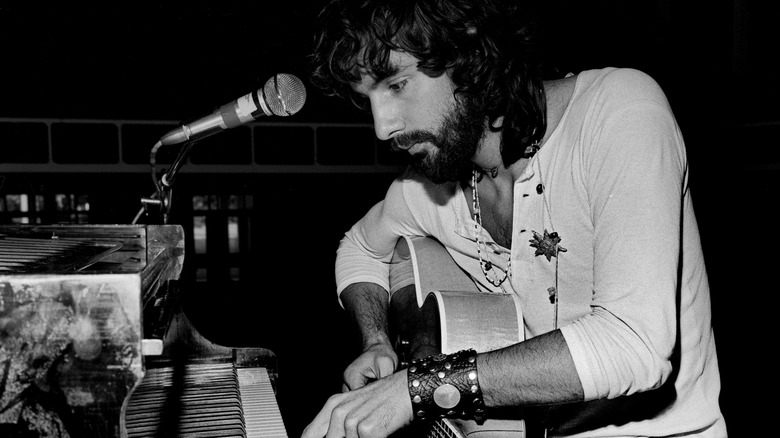
Way back in 1965, Cat Stevens taped himself singing one of his compositions to show off his songwriting skills and shop them to other artists. As intended, numerous performers took on the tune, and five of them turned it into a smash. Part of the hidden truth of Cat Stevens, “The First Cut Is the Deepest” was truly the first and, eventually, one of the biggest cuts of the singer-songwriter’s career.
Stevens was enormously successful in the 1970s, taking 11 songs into the Top 40 between 1971 and 1977. But years before meaningful and captivating hits like “Morning Has Broken” and “Peace Train,” Stevens just wanted to be a songwriter. Working under a music publishing contract with Ardmore & Beechwood, Stevens was paid just £30 per song. His own low-key demo of “The First Cut Is the Deepest” proved to be his entry into the upper echelon of the music industry, and it would prove to be the ticket to chart success for multiple artists. Here’s a look into the voluminous history of Cat Stevens’ “The First Cut Is the Deepest.”
The First Cut Is the Deepest just kept scaling the charts
One never forgets their first love, as the saying goes, and that’s what “The First Cut Is the Deepest” is all about. Cat Stevens (later known as Yusuf Islam) crafted a song about a person finding it hard to love again after an emotionally devastating end to their first real romance. That’s a relatable situation, and Stevens’ account was so convincing that other performers wanted to interpret and record it themselves. Among the first was P.P. Arnold, an American singer associated with multiple British rock bands. Arnold enjoyed her first solo hit with “The First Cut Is the Deepest,” a No. 18 hit in the U.K. in 1967.
The next notable cover of “The First Cut Is the Deepest” rocked Canada. In 1973, Keith Hampshire’s version, recorded as “First Cut Is the Deepest,” went to No. 1 in Canada while also notching a No. 70 placement on the Hot 100 in the U.S.
Oddly, “The First Cut Is the Deepest” wasn’t a hit at the time for Stevens. He included a recording on “New Masters,” his publicly ignored second album, released in 1967, but his label didn’t opt to make it a single.
Superstars had super hits with Stevens’ song
Chris Walter/Getty Images
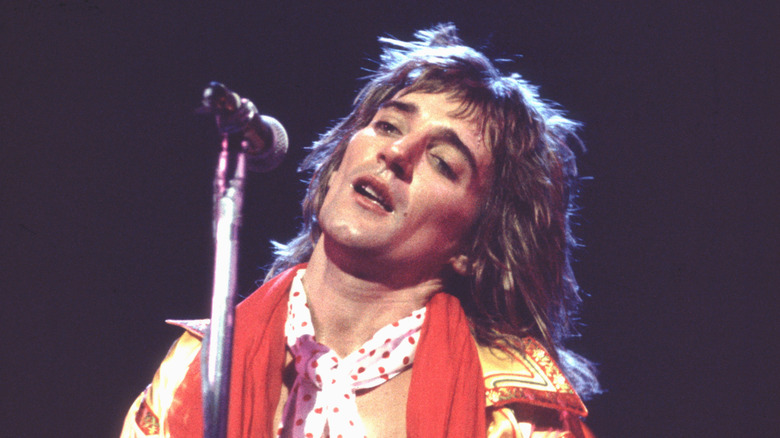
“The First Cut Is the Deepest” also factors into the story of Rod Stewart (pictured). During his hit-making heyday of the 1970s, Stewart brought a raspy and palpably heartbroken cover of “The First Cut Is the Deepest” to No. 21 on the U.S.’s Hot 100 and up to No. 1 in the U.K., half of a double A-side release with “I Don’t Want to Talk About It.
In 1995, Swedish musician Papa Dee transformed the simple folk-pop ballad into an electro-reggae piece, and it was a smash across Europe. That version of “The First Cut Is the Deepest” peaked at No. 5 in Sweden, No. 9 in Norway, and No. 20 in Austria.
Sheryl Crow is worth a lot of money, and her version of “The First Cut Is the Deepest” played a role in that. A new track on the 2003 compilation “The Very Best of Sheryl Crow” and issued as a promotional single, the cover hit No. 14 on the Hot 100, No. 35 on the country chart, No. 10 on the Pop Airplay list, and No. 1 on the Adult Alternative Airplay, Adult Contemporary, and Adult Pop Airplay charts. Crow’s recording of “The First Cut Is the Deepest” even earned a gold record.