
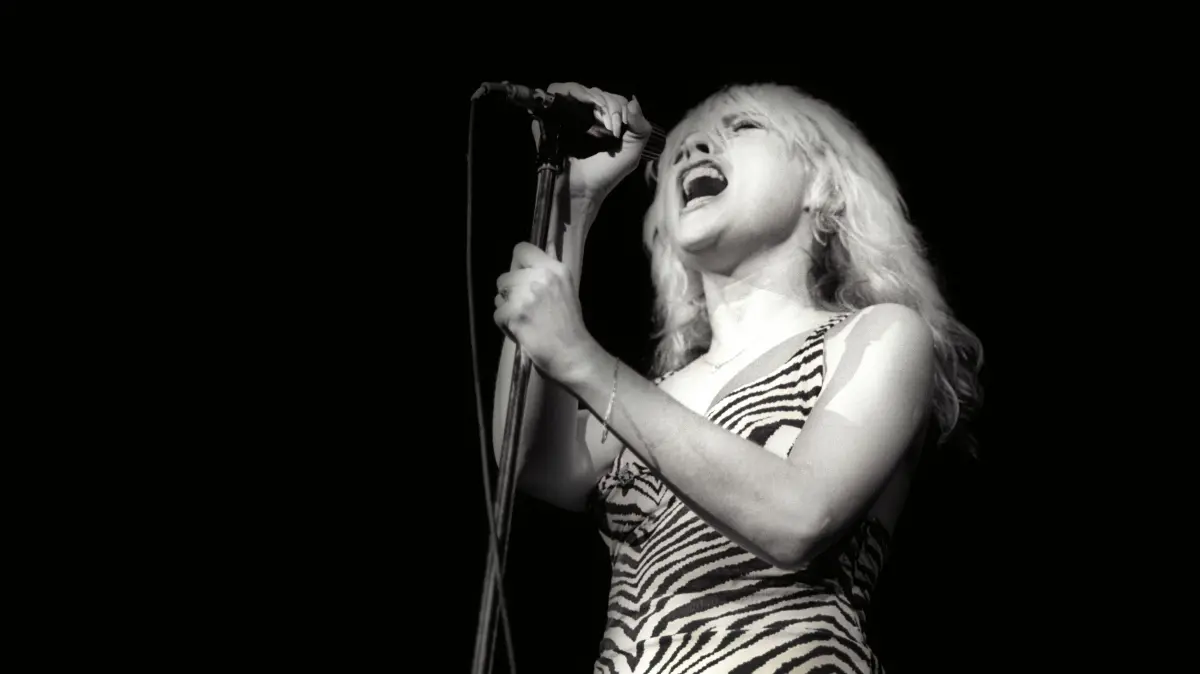
I spent my childhood in New Jersey looking across the bay at New York as this shining beacon but I arrived in the early 1970s to find a city on life support. New York was literally crumbling around us. Businesses were abandoned. The people with the means had escaped to the suburbs, leaving the streets piled high with garbage — still it was incredibly exciting to me and my friends.
There were a lot of illicit after-hours clubs springing up. Here-today, gone-next week drinking dens and gambling clubs, open from the early hours of the morning until the following afternoon, creating a mob service industry around all of it. Club 82 used to be run by the wife of the mobster Vito Genovese and you were always aware of the mobster undercurrent, especially after dark. There were enforcers, guys in sharkskin suits hassling club owners for their weekly protection money, and guys wheeling trollies of hijacked booze from the street down to the bar, like something out of a Scorsese film. Add the drug trade into the mix and a bunch of glam rock kids hankering for a baggie of pills to see them through till dawn, and it was obvious our world and theirs were sometimes closer than we imagined.
The cast of characters at Club 82 was vast and constantly evolving. Some nights you’d run into Jeff Starship from the band Sniper (Jeff, of course, was later known as Joey Ramone), Lenny Kaye, Thomas Erdelyi (soon to become Tommy Ramone), the Neon Boys’ Richard Hell and Tom Verlaine, Elda Stiletto, some guy called Chris Stein, a girl called Debbie Harry, and a hundred others who’d go on to find some level of infamy. If you had a sharp eye, you might catch sight of Lou Reed, Bryan Ferry, or even Bowie. People who were gods in our eyes, but who’d yet to make it in the straight world.
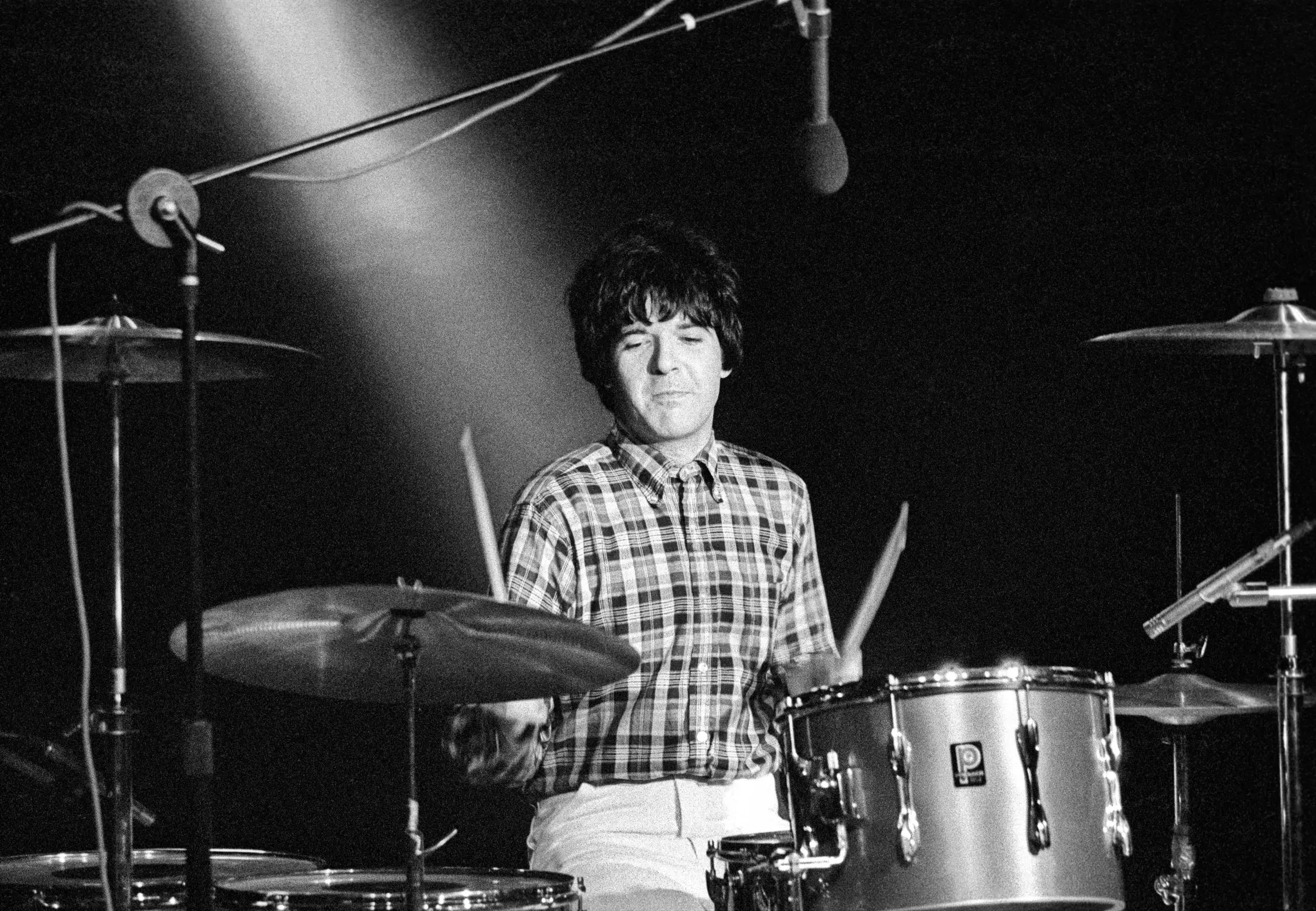 Clem Burke during a 1978 promo shoot for “Picture This” at Isleworth Studios, LondonBrian Cooke/GETTY IMAGES
On March 10, 1975, a small advertisement in the Musicians Wanted section of the Village Voice caught my eye. It read:
Freak energy Musical Experienced drummer needed female fronted estab. working NYC rock band. Excell oppty. money. Fun. Call NOW 925-0531
Arriving for my interview, I was surprised to find that the band in need of a drummer was, in fact, two familiar faces from Club 82.
Debbie, the singer, was a Jersey girl who’d transplanted to NYC in the 1960s. As I pulled up a chair, she remarked on my red shoes, so I give my choice of footwear a lot of credit for me getting in the band. The guitarist, Chris, was Brooklyn born and bred. He rarely rose from his seat the whole time I was there. He was in a state of constant repose, idly strumming his guitar as we spoke.
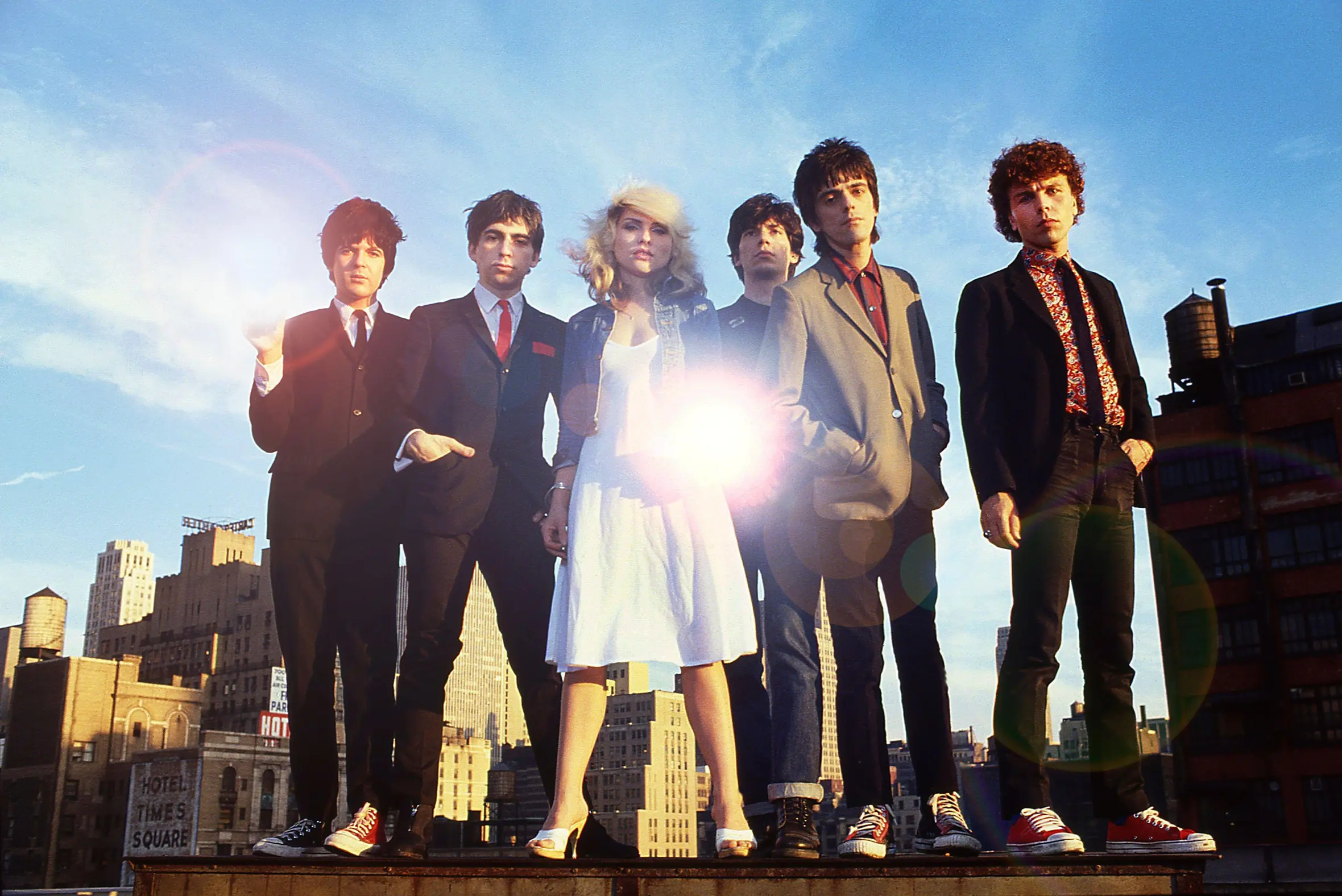 Blondie on the roof of the Record Plant, at the height of their late-70s riseAlamy
Even at first glance, Debbie had all these facets to her, all vying for your attention. There was a touch of Warhol cool, a sprinkling of Marilyn Monroe’s vulnerability, a bit of Jean Harlow platinum blonde Hollywood chic all in the mix, combined with her easy beatnik charm and intelligence. I knew right away she was destined to be a star. She was basically a star already. It would just take the world a couple of years to catch on.
Home for Debbie and Chris was an apartment on Thompson Street in New York’s SoHo district, with a bathtub in the kitchen, old-school tenement style, that also served as a counter when it was covered. Sometimes, when I came over, Chris would be sitting in the bathtub holding court.
It was unusual for New Yorkers to have cars at the time, but Debbie had this beat-up Camaro she used as a runaround. To avoid having it towed away by the city, she had to wake up at dawn and wait for the alternative side of the street parking to come into effect and move the car to the other side of the street for the next 24 hours. That was every day except Wednesdays, when the city just shrugged and let you park your car wherever.
One of the first places we played together was deep in the belly of the Financial District, nowadays known as FiDi. The place was called Whyte’s Pub, where Debbie had a part-time job as a bikini bartender. She pulled a favour with the owners and persuaded them to throw a couple of hundred dollars our way for an afternoon’s work. Whyte’s was a watering hole for the Wall Street crowd— stockbrokers and speculators. Looking out on the audience, it was a sea of grey flannel suits and Egyptian cotton shirts. It wasn’t quite American Psycho exactly, but you got a glimpse into that detached stockbroker, art dealer mindset. They weren’t our people, but we played there a few times.
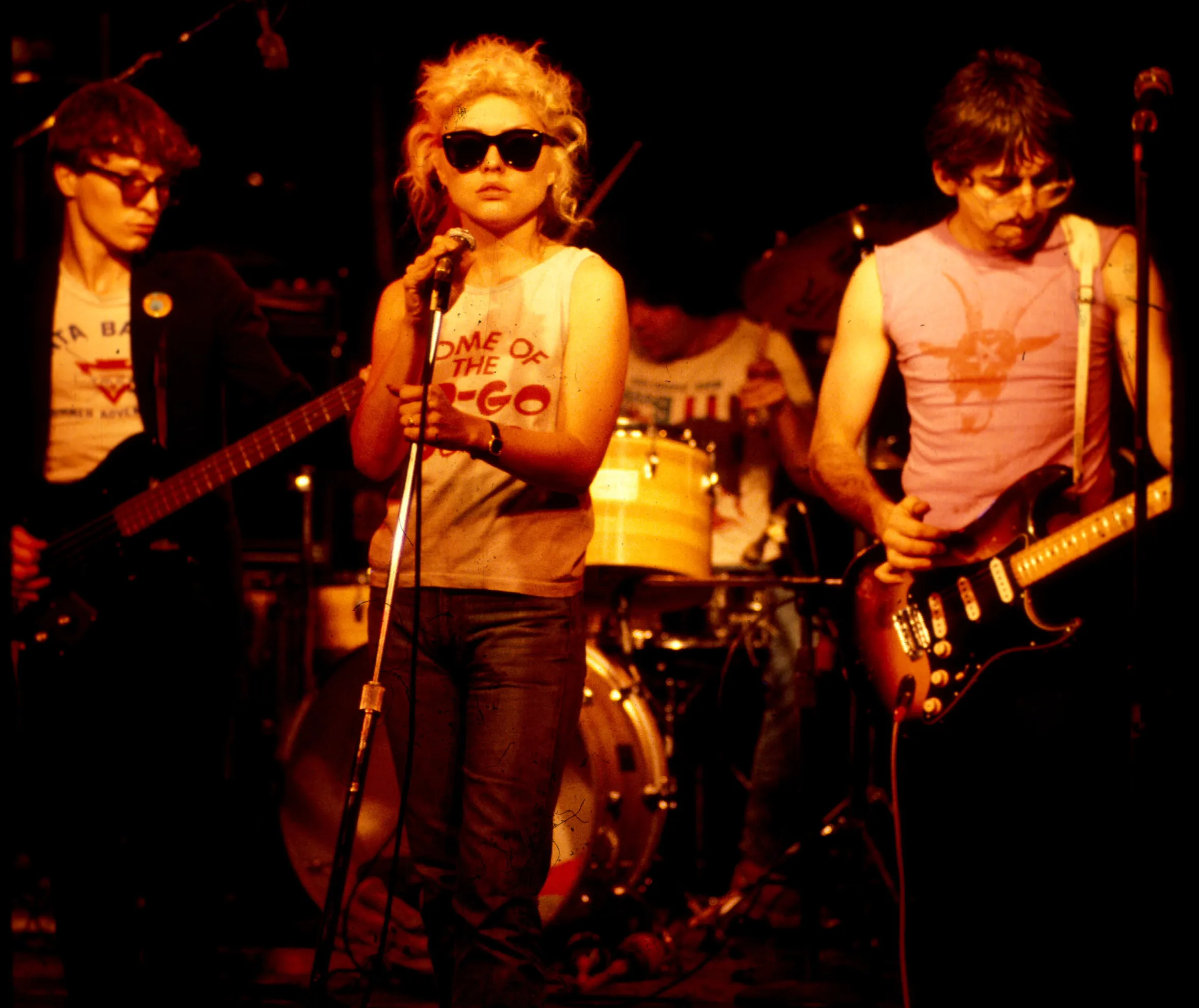 Harry with Blondie bandmates Gary Valentine, Burke and Chris Stein at CBGBRoberta Bayley/GETTY IMAGES/Redferns
We’d taxied up with our gear, Debbie would change out of her bikini and into something a bit more appropriate, and we’d play happy hour between 5 and 6pm. We were playing a lot of covers, songs by the Shangri-Las, Lady Marmalade by LaBelle, and Martha and the Vandellas’ Heatwave. I don’t know that anyone was paying much attention to us. Probably, we were just background music, while these guys tried to seduce the waitresses or waited for their coke dealer to arrive.
One thing Debbie and Chris had going for them was they had a few connections around town, particularly in terms of the underground club scene in Lower Manhattan. Crucially, they knew Hilly Kristal, the man behind CBGB. Hilly, in my opinion, needs to be in the Rock and & Roll Hall of Fame, for obvious reasons.
He had some history booking cabaret acts, and his vision for CBGB was as an Americana venue — the initials CBGB stood for Country, Bluegrass, and Blues — so right from the start, Hilly was catering for a broad spectrum of music fans. I think that’s why he opened his doors to people like us. So long as you weren’t playing covers, he didn’t care what you played.
A few months down the line the place became ground zero for the Ramones, Television, Blondie, Patti Smith, and Talking Heads. Hilly conceded to the growing presence of a real scene by building a bigger stage and putting in a new sound system, with the help of Brian Eno.
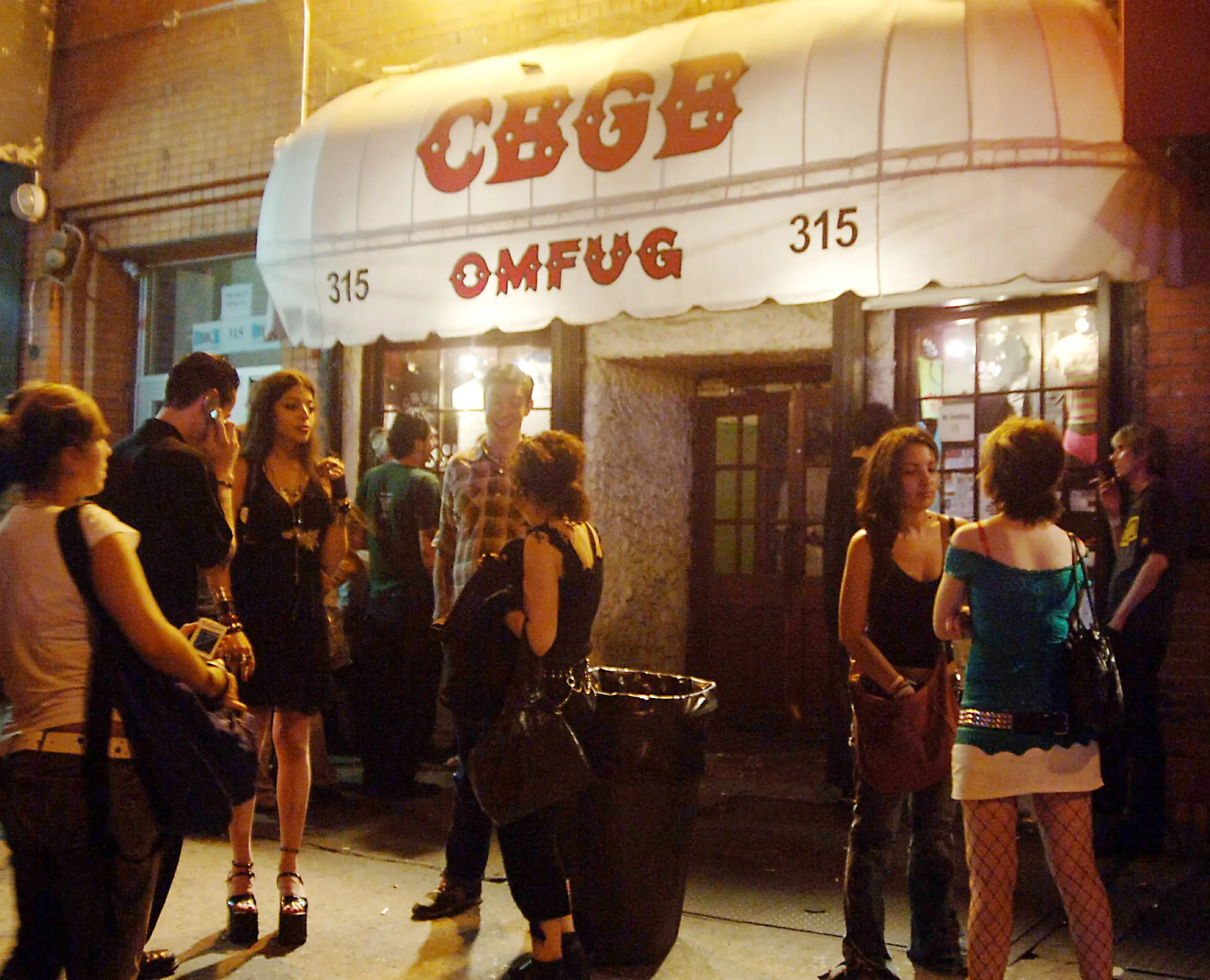 Fans gather outside CBGB on its final night, New York, August 31, 2005Alamy/UPI Photo/Ezio Petersen
In contrast to what happened with the British punk movement, where the Sex Pistols were catapulted to fame, and then overnight, a hundred copycat bands followed in their wake, none of the core NYC bands had much in common musically. It was more like a shared sensibility. We were drawing from a diverse range of influences, trying to figure out what kind of bands we were going to become. CBGB was like a band workshop. Everyone playing a couple of nights, or a few nights straight, gradually honing their craft, while the world outside the Bowery went about its business.
Everyone speaks about CBGB as a very glamorous place, but in truth, it wasn’t. In a lot of respects, CBGB was a dump, but it transcended that.
It was our little secret, and the coolest place to workshop all these great songs we were coming up with.
The place was set up like a folk club or cabaret, with candles flickering on little round tables and waitress service. The audience was mostly made up of people from other bands, mostly rock and roll guys and very few women in attendance. Certainly, there was no mania — it was all very laid-back and cosy.
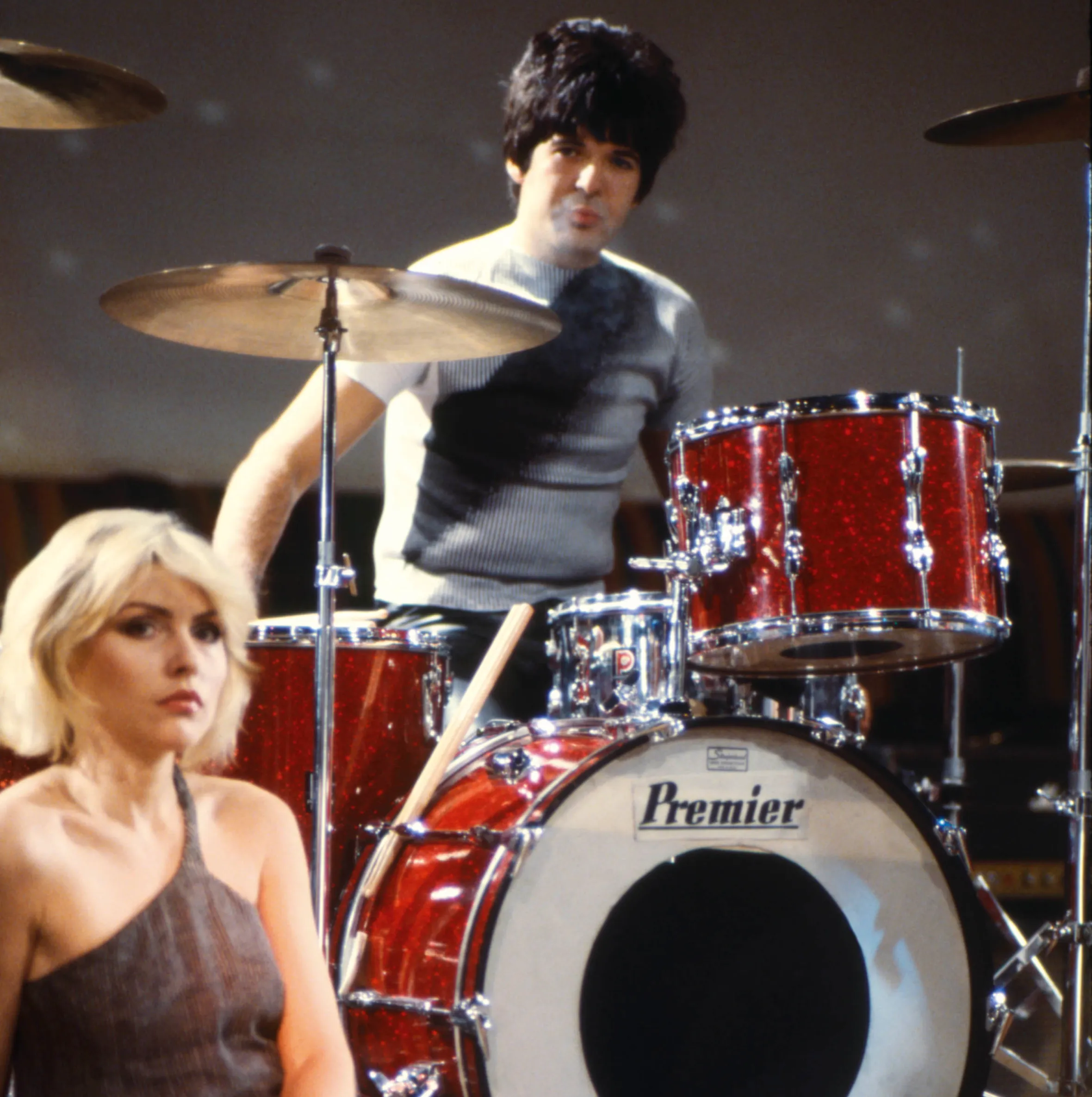 Harry and Burke during the Heart of Glass video shootRoberta Bayley/Getty IMAGES
You were free to make mistakes in public, with no consequences. At the time, the US was in its worst recession since the Wall Street crash of 1929 and New York was so debt-ridden, it was defaulting on its payments. Outside the rarefied air of Upper East Side Manhattan, New York was being slowly driven into the ground. Every week, some public sector workers went on strike for better pay or conditions, so even when things were working, nothing really worked right. On the Bowery, it was even worse — skid row essentially.
Like the rest of the area, CBGB was grubby and neglected. An unassuming place to start a revolution when you stop and think about it. You’d never have guessed by looking at the place that it would become such a phenomenon. Still, for us and the other bands in the city, there was nothing else going on, so we congregated there out of necessity. The club was at the east end of Bleecker Street on the Bowery, amid soup kitchens and broken-down walk-up apartments. Everywhere you walked, alcoholics and derelicts were staggering around or huddled in doorways, living rough on the streets, drinking whatever they could lay their hands on. Just a bunch of lost, tortured people with no place else to go.
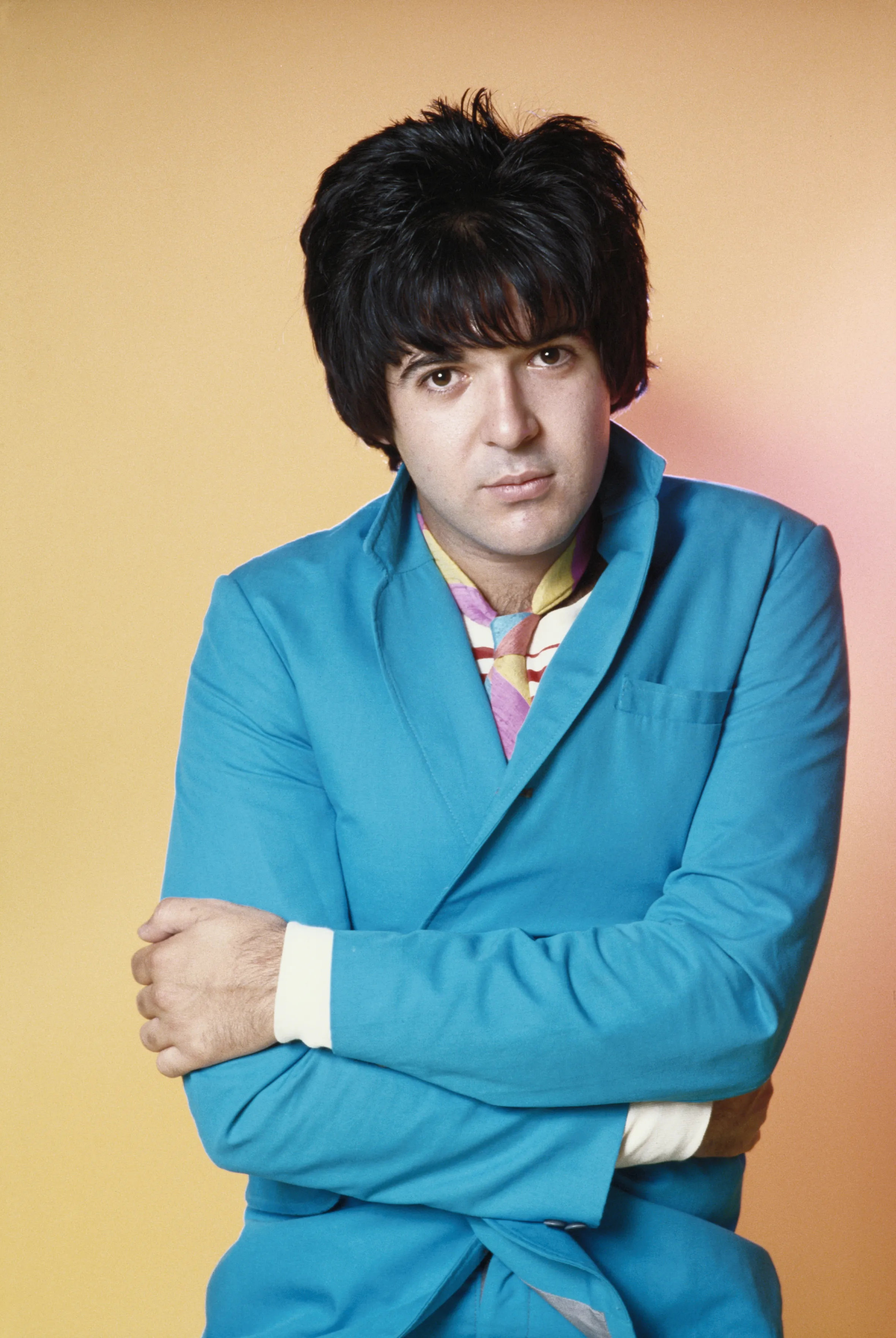 Burke in the late1970s Maureen Donaldson/Getty Images
Right above CBGB was the Palace Hotel, an old flophouse where you could share a bed with a cockroach or two for as little as $2.85 per night. Broken men, home from the war and entirely discarded by society, were scattered around the streets and back alleys, a step away from sex workers and hustlers. Sometimes, these locals seemed confused to find us in their neighborhood, but I think they got used to us hanging around, spilling out from CBGB and drinking beer on the sidewalk. Not all of them, of course. You had to watch out for disgruntled drunks dropping empty liquor bottles out of the Palace Hotel windows onto the curb below whenever we got too rowdy outside.
Even so, the sociopolitical backdrop to what was happening in New York and the wider world was just subtext to our lives. Poverty wasn’t an issue because we weren’t concerned with money. We didn’t need money to do what we were doing. If we got hungry, we’d pick up a bodega cheese sandwich for maybe 25 cents, and that would sustain us until our next adventure. In a perverse way, the city being at such a low point was a good thing. The fact that New York was seen as this rotten apple of day-to-day disrepair and misery acted as a catalyst and helped to lift us up. If anything, we thrived in that environment. It wasn’t money that got me out of bed every day. What was driving me was the energy of the city. Being on the scene and being around those bands. It was about the music.
Extracted from The Other Side of the Dream by Clem Burke (HarperCollins £25). To order a copy go to timesbookshop.co.uk. Free UK standard P&P on orders over £25. Special discount available for Times+ members. Burke died in April 2025