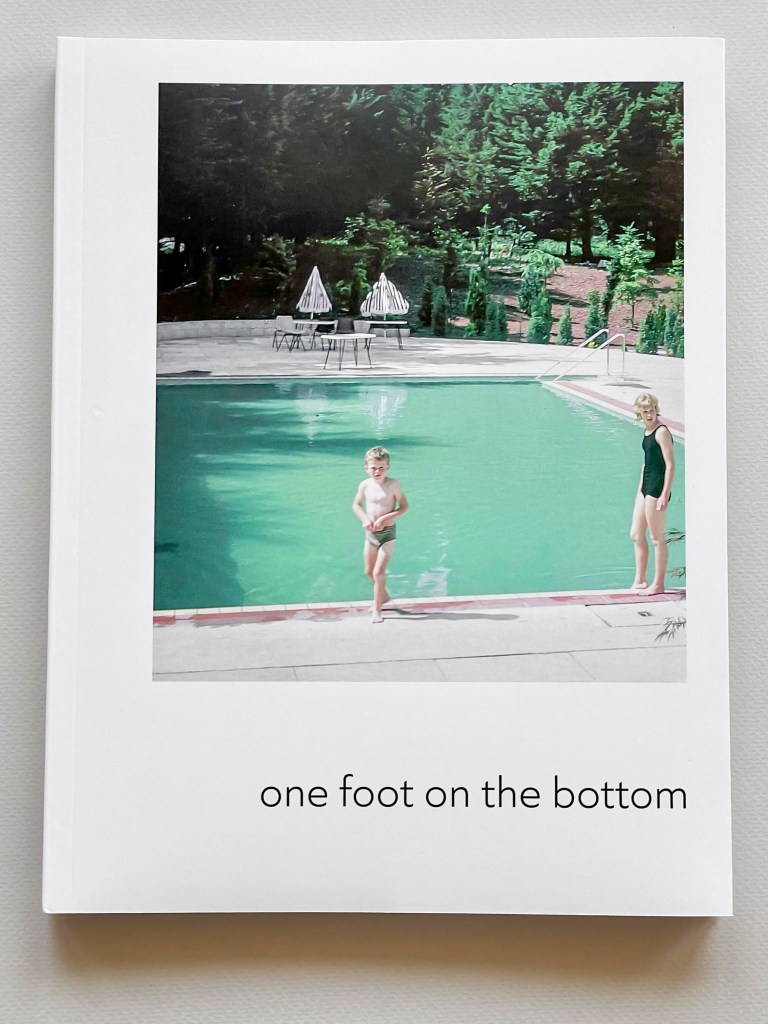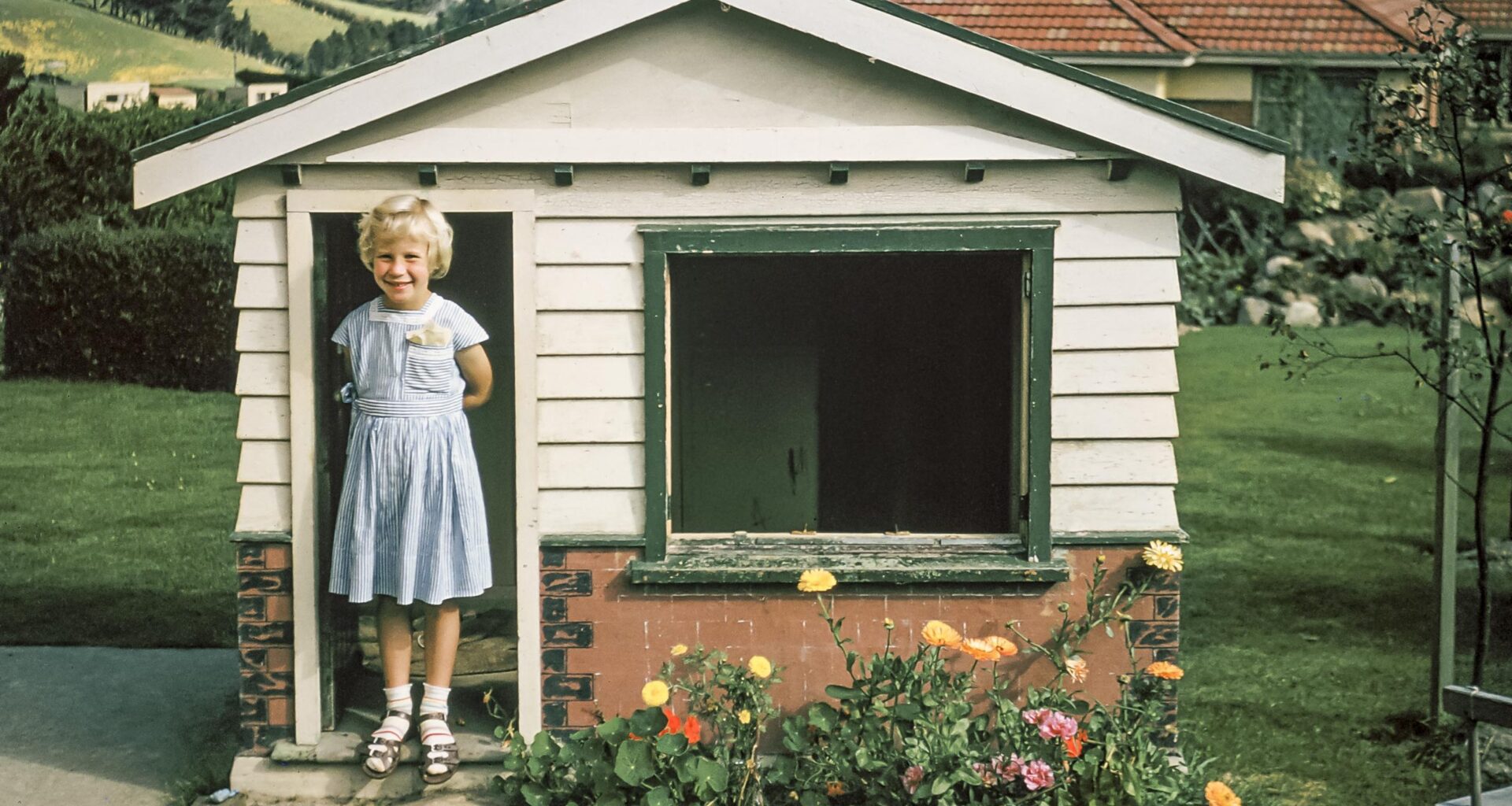
My mother’s death has rippled through my life as an absence that’s never filled. Perhaps this is why I wanted to connect her images of our family to my photographs now, where in a different part of the country, I head for water and shore.
I’d started a project photographing beaches in Aotearoa but wanted to make it personal. I remembered the green metal box of slides and notebook of captions my mother left after she died. Opening it after nearly 40 years, images of my childhood flooded in reminding me that that the houses and holidays by water in Central Otago did exist.
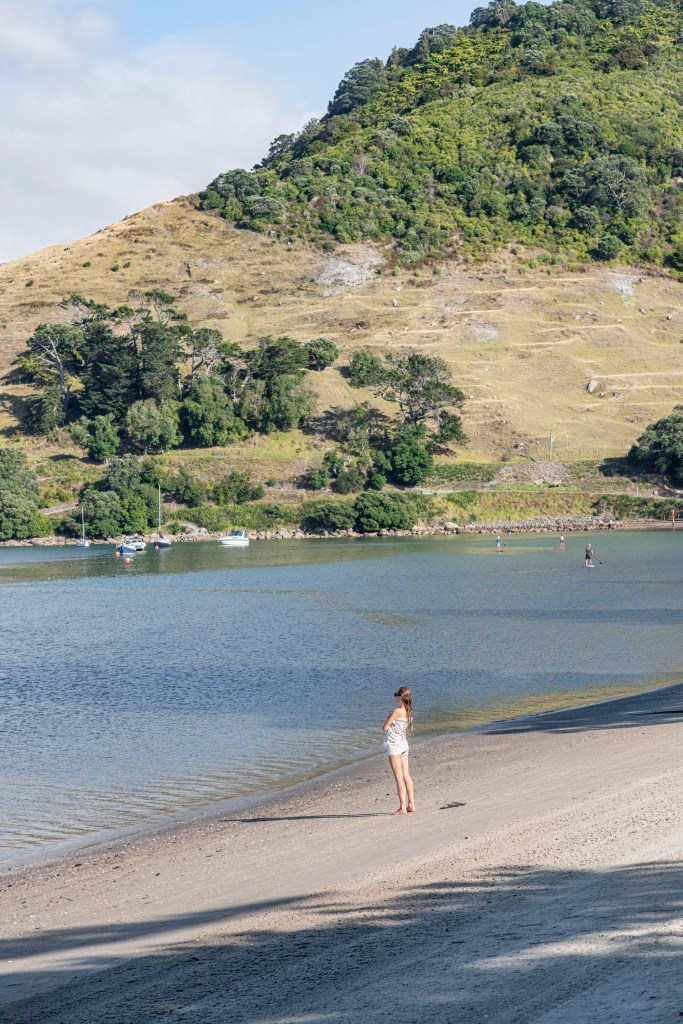 Photo: Mary Macpherson, Mount Maunganui
I want to make pictures from the everyday world that look back to remembered sweetness. Then I worry about whether ‘sweetness’ is the right word, or is really about being a child at that time.
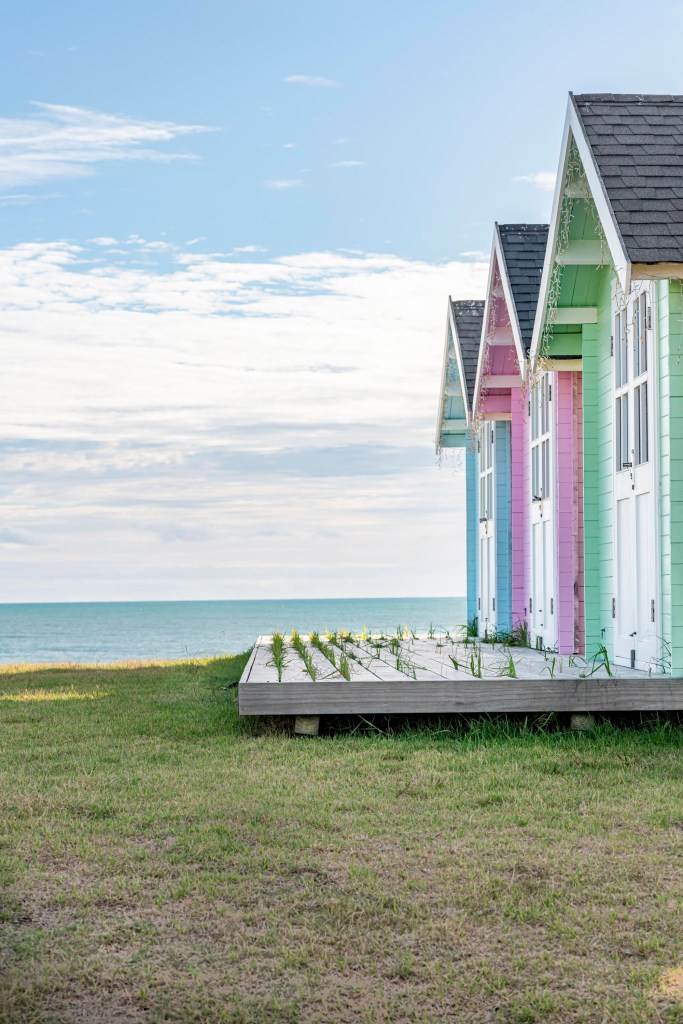 Photo: Mary Macpherson, Pukehina
I’m torn between the beautiful freedom of travel to lakes and oceans, and statistics that say transport is the fastest growing area of greenhouse gas emissions in Aotearoa. Most of these ‘20% of all the emissions we produce’ are from cars and their close relatives.
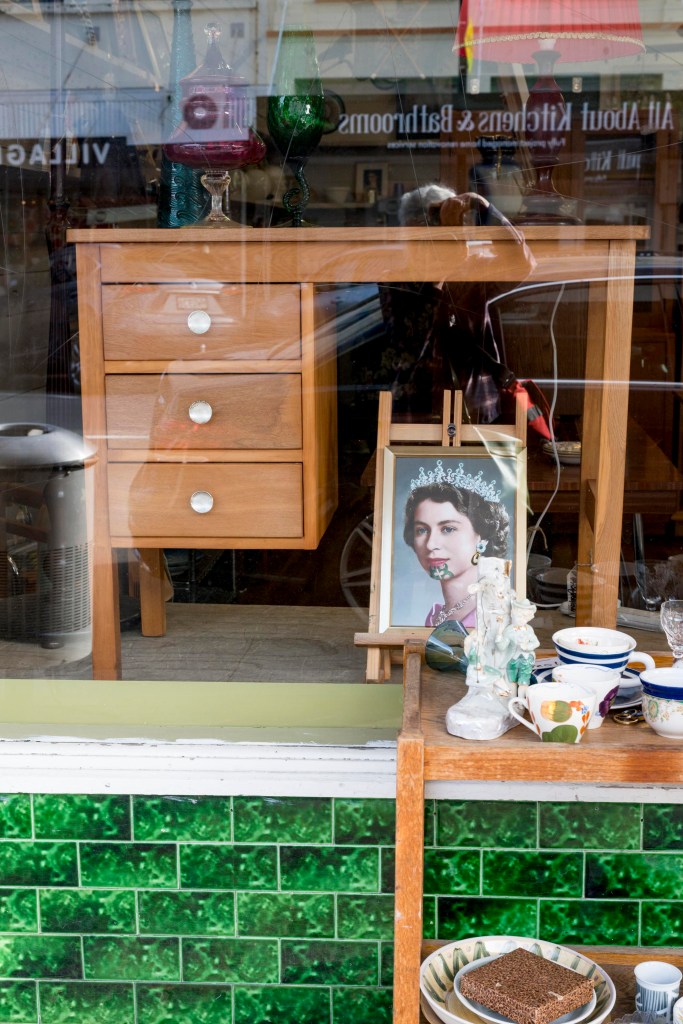 Photo: Mary Macpherson, Petone
My mother’s pictures remind me of a childhood in the 1950s. Under the heading ‘The fifties in retrospect’ the online site NZ History says: “Some argue that prosperity made 1950s New Zealand a complacent and conservative, even repressive, place. But for those who had lived through the tough times of the Great Depression and the Second World War, this was a small price to pay for contentment. People rarely thought about how later generations would judge them, but instead focused on day-to-day living.”
The family in the slides are part of an era. They are part of a rising middle class, able to own a house in a new subdivision at the edges of town and build a small crib with a Pinex interior in Central Otago. Being outdoors, loving plants and trees, gardening, swimming, fishing, walking, making clothes, improving property, moving upwards, these were the things.
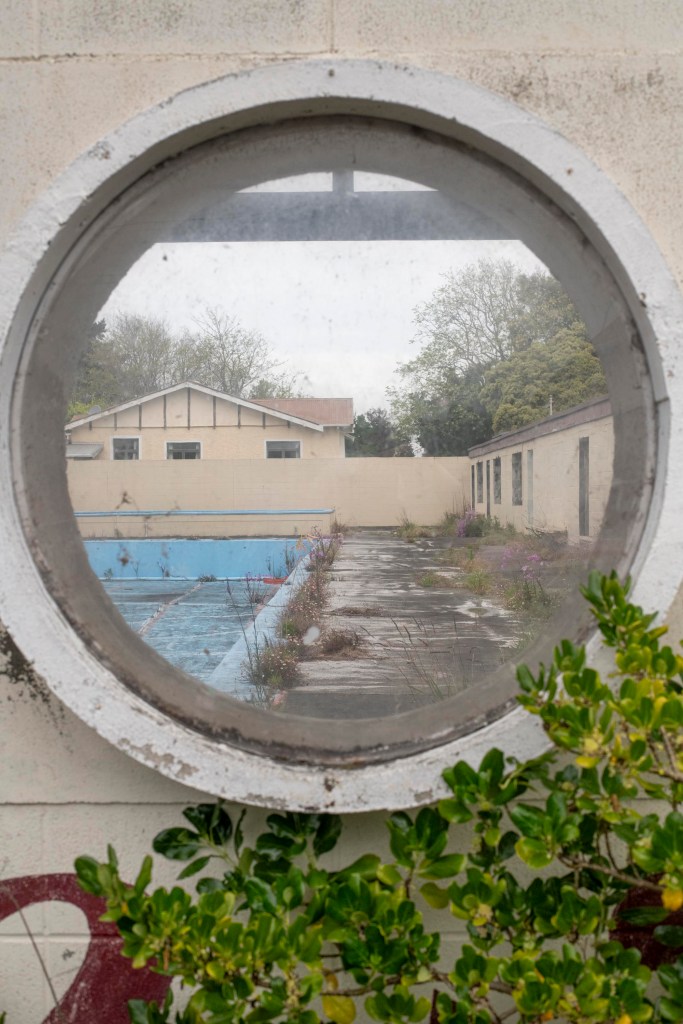 Photo: Mary Macpherson, Whanganui
Journeys as a child allow the luxury of getting lost in sights through the rear passenger window, like the glittery Maniototo tussocks stretching into the distance. In our holiday town my best friend and I dressed up as old ladies, and then went down the little road knocking on doors and running away.
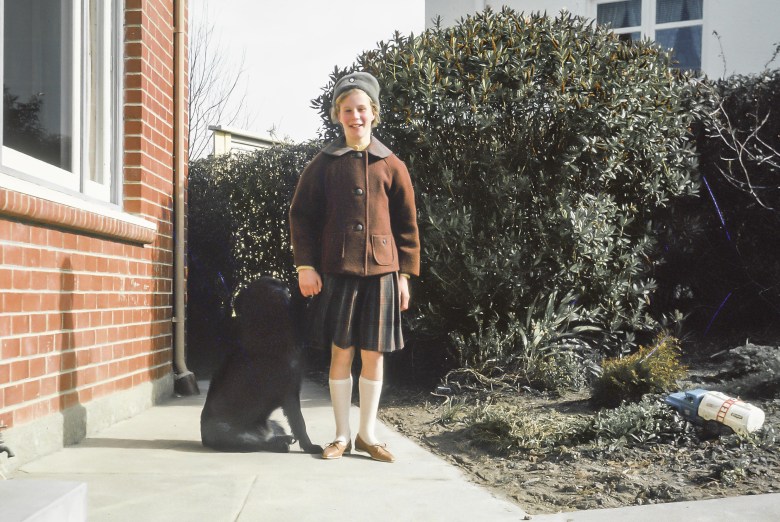 Mary (11) with Tam. Photo: Evelyn Macpherson,
What did it mean to go north, when you had no knowledge of what north meant or that there was a North Island across a stretch of water? Flying north for the first time to visit my aunt and uncle meant: having a cold; dressing in layers of wool plus a furry hat with a brooch in center, knee-length socks and beige chisel-toed shoes; learning the Highland Fling; walking to the dairy (because fresh air is good for colds) and watching my uncle make a roll-your-own beside the river.
one foot on the bottom by Mary Macpherson (Rim Books, $80) is available from Unity Books in Wellington or online at Rim Books.