

Listen to this article
Estimated 3 minutes
The audio version of this article is generated by AI-based technology. Mispronunciations can occur. We are working with our partners to continually review and improve the results.
Opposition politicians and Nova Scotia’s deputy minister of health disagreed on the accuracy of the province’s family practice registry during a legislative committee meeting Wednesday.
At issue was what’s required for a patient to be considered attached to a practice.
Government officials consider someone attached when they’ve been matched with a provider, even before they’ve had their first appointment. But that can take months for some patients, and opposition MLAs say it’s disingenuous for the government to take credit too early.
NDP MLA Lisa Lachance said they’ve heard from constituents who were matched with a clinic before it was even ready to open.
“It does not feel like they have a primary care provider when they haven’t seen them,” Lachance told reporters following a meeting of the legislature’s public accounts committee.
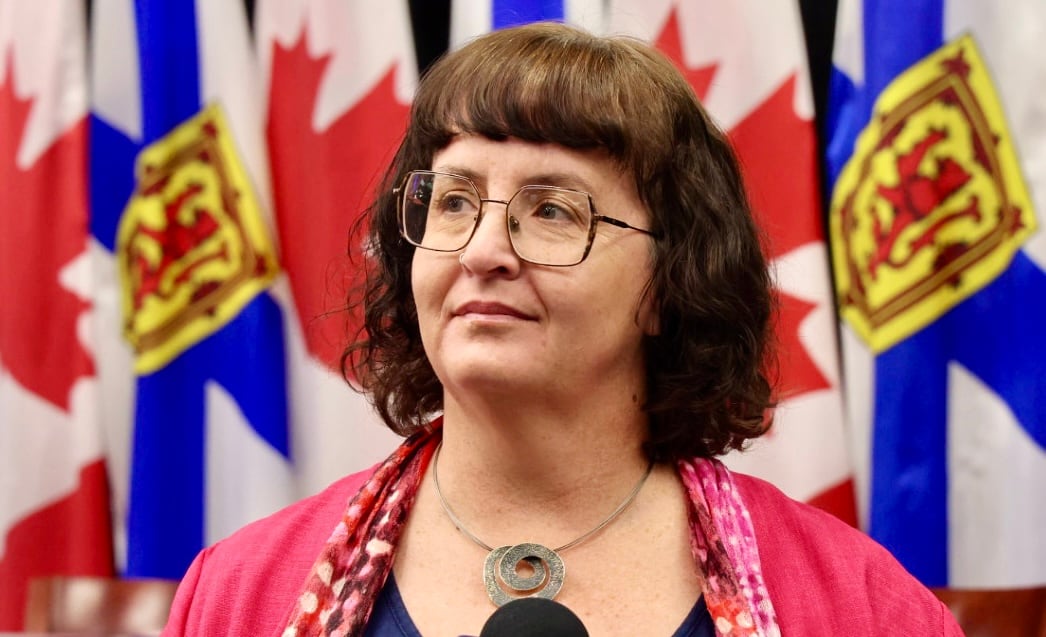 Lisa Lachance is the NDP MLA for Halifax-Citadel-Sable Island. (Jeorge Sadi/CBC)
Interim Liberal Leader Iain Rankin said the government’s credibility on the issue is at stake.
What’s worse, he said, the government refuses to release information about the number of people awaiting that first appointment, an administrative category referred to as “pending.”
“They’ve created a waiting room, essentially, for Nova Scotians, and they aren’t able to say how many people are sitting in that waiting room,” Rankin told reporters.
The pending category, and decision to count it as attached, was part of a policy change made in 2024, but only announced publicly earlier this year. Health Minister Michelle Thompson revealed the change during a news conference in January — the day before the release of a report from the province’s auditor general that criticized the change.
Deputy minister Dana MacKenzie told the committee that a challenge with publicly reporting the number of people awaiting their first appointment is that it would require constant check-ins with clinics across the province.
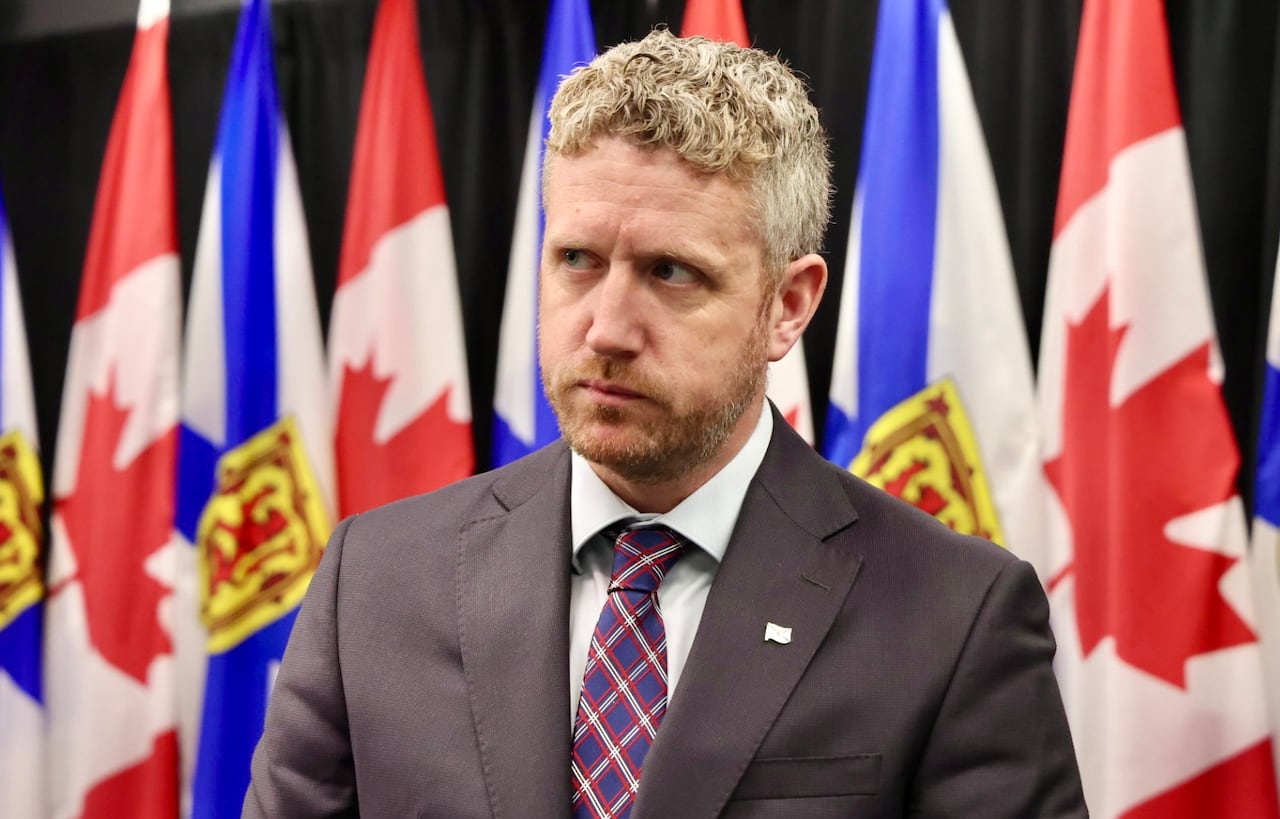 Iain Rankin is the interim leader of the Nova Scotia Liberal Party. (Jeorge Sadi/CBC)
MacKenzie said the registry is intended to be a monthly snapshot.
“People are moving in and out of categories,” MacKenzie told reporters.
“We’re dealing with multiple systems about scheduling inside individual clinics.”
The deputy said the registry is an accurate representation of need, and has evolved through the last five years in part because of the ability to provide people with more care options even as they’re awaiting placement with a primary care practice.
“We’ve taken something that’s been very, very challenging to figure out and manage, and we’ve made it into a dynamic patient management tool,” said MacKenzie.
A call for more information
Auditor General Kim Adair’s report in January called on the government to provide more context around the registry, including information about the various categories it manages.
While the public information includes the number of people on the registry and number of people attached each month, it does not include the number of people waiting for their first appointment or the number of people who have proactively asked to be placed on the registry because their current practice could be preparing to wind up, a category known as “registration requested.”
“Our thought is that if you clearly report all those categories, then the full information is there,” Adair told the committee Wednesday.
MORE TOP STORIES