
Webber said in recent months, patients have missed critical appointments as they could not afford petrol.
Others were unable to collect vital medications, forcing clinic staff to personally deliver prescriptions.
“Without urgent intervention, inequities will deepen, preventable conditions will worsen and the long term cost to the health system will far outweigh the investment needed now,” he said.
“Access to healthcare should never depend on what’s in your fuel tank.”
Jessie Hoskins, chief executive of Broadway Health in Kaikohe, said the impact of rising fuel costs was evident every day.
“This is no longer hypothetical – we see it every day. Whānau are having to choose: do I put fuel in the car, or do I go to the doctor?”
Missed appointments, or “did not attends” at Broadwood Health rose sharply in response to rising fuel costs.
In 2024, there were seven missed appointments between February 1 and April 23.
Jensen Webber from Mahitahi Hauora says urgent intervention is needed so patients can see a doctor, preventing long-term impacts.
This rose to 11 over the same period in 2025 and 59 this year – a 743% increase since 2024.
Frontline staff believed the surge was directly linked to fuel affordability.
In response to the pressures whānau face, some Mahitahi Hauora general practices took a compassionate approach, charging for missed appointments only when they were repeatedly missed.
Others relied on petrol vouchers from a previous programme but said the resource was nearly exhausted.
Some practices also increased travel assistance for rural patients to reach specialist care but acknowledged that meant fewer patients could be supported.
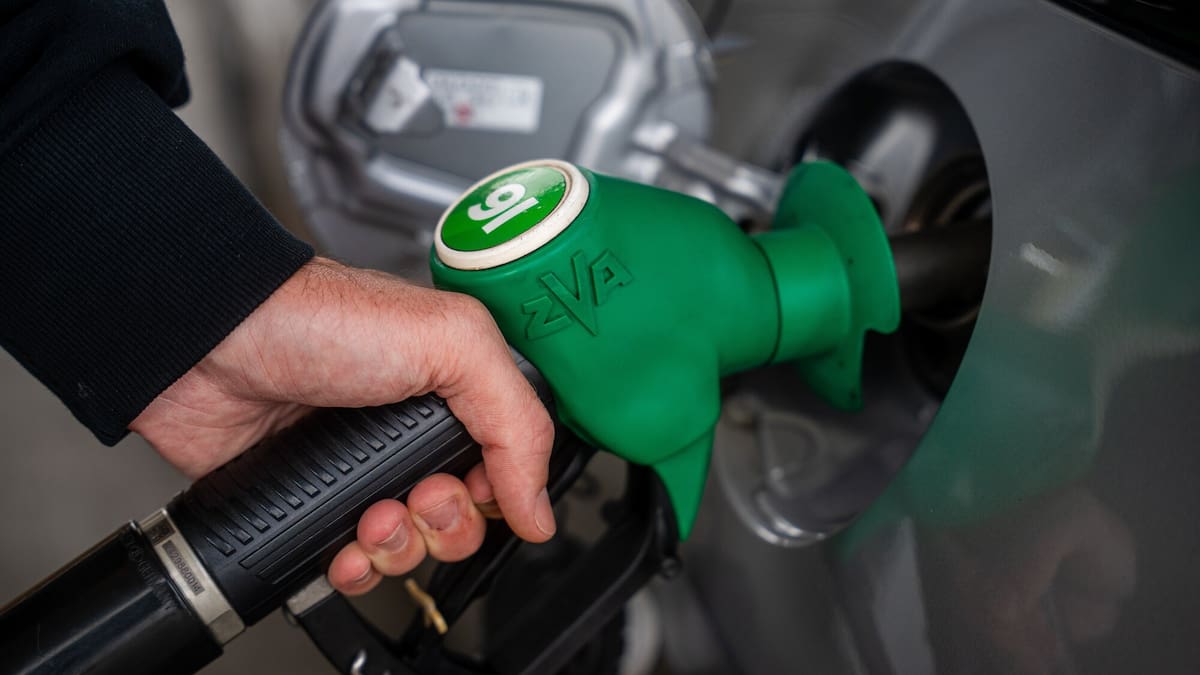
Pain at the pump means struggling Northland families can’t afford to go to the doctor. Photo / NZME
One rural practice manager thought it was a choice that should not have to be made.
Webber said Mahitahi Hauora was calling for immediate Government action to ensure access to healthcare was not dictated by the price of fuel.
He wanted to see solutions, including petrol vouchers for patients, increased funding for outreach services and community transport options, especially in rural areas.
Webber said it was also important to recognise fuel-related barriers in healthcare performance measures.
“There are practical, targeted solutions available right now, but action is needed,” he said.
“Whānau deserve to get the care they need, close to home, without fuel costs standing in the way.”
Denise Piper is a news reporter for the Northern Advocate, focusing on health and business. She has more than 20 years in journalism and is passionate about covering stories that make a difference.