
The next morning, I was met with a sobering reality that crushed any sense of safety as my housemate and I discovered a paper bag outside my house with a letter inside signed “Pieter”, my stalker.
We ran inside the house and discovered something scarier. Outside our lounge room windows sat my stalker. He was down at the beach in front of our house, staring up at us.
That day, I discovered a terrifying reality: here in Aotearoa, stalking is not illegal.
Three police officers filed in and out of our house trying to figure out what to do, but their hands were tied, because of our non-existent laws. It was decided that I wouldn’t stay in my house that night while police worked to figure out the risk and where to next, if anywhere.
Arriving at a hotel for the evening the nightmare was far from over.
Following another message from Pieter that I, at the time, believed to be a suicide note, the police were quick to send officers to pick me up. There was a key line in his message that I had glazed over: “I hope to meet you in the next life soon.”
I later learnt the police’s criminal forensic psychologist was involved and assessing my stalker’s behaviour and messages. There was a concern that Pieter was possibly indicating that he intended to hurt me too. This, however, only remained an assumption and after being arrested and served a criminal harassment notice and trespass order, he was let go.
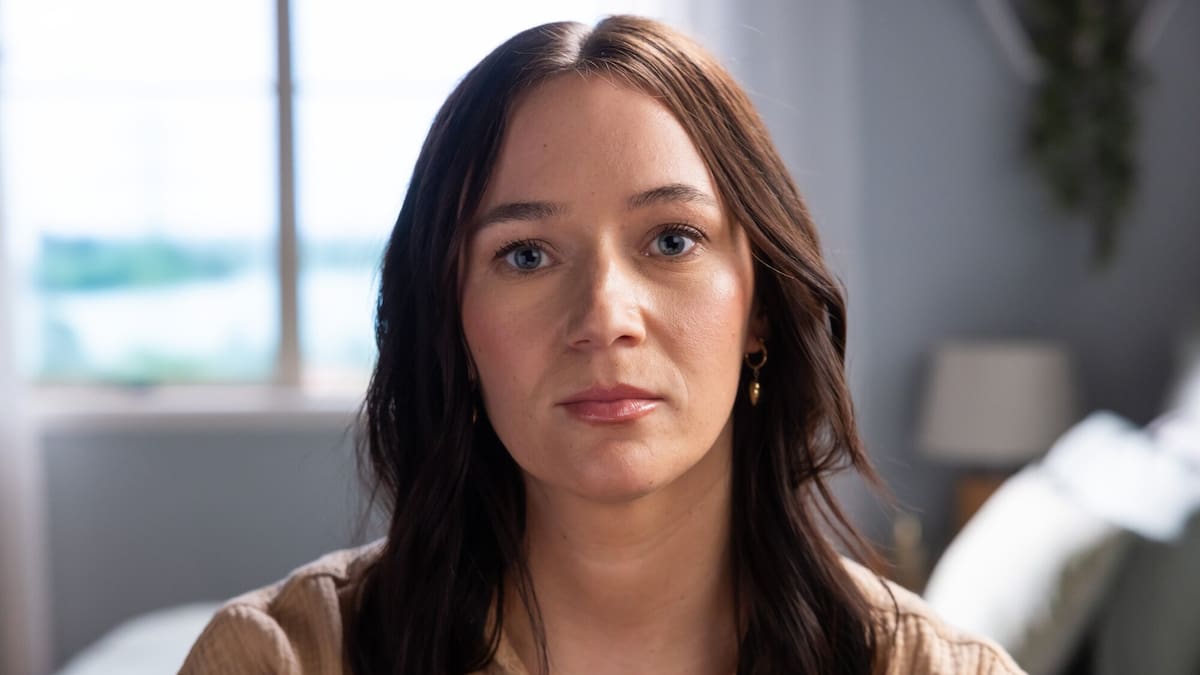
Stalked presents the experiences of women from across Aotearoa, including Thornton, whose lives were affected by stalking.
The days that followed were filled with calls from detectives, instructions on how to stay safe Our every move was made with fear and uncertainty. Thankfully, it was only a few days later that Pieter packed up and left the country.
He may have been gone, but his impact never left. Life has never been the same with the fear and anxiety that filled me during that week still infiltrating my life. My sense of safety was taken that day, and I have never gotten it back. My chest is constantly tightening when I leave the house, observing every person, every car, every movement.
While I did struggle immensely with the reality of what had happened, what impacted me the most was watching those closest to me put at risk. Seeing my housemates fear for their lives, piling up shelves in front of their bedroom doors to try and feel safe at night. Being told I couldn’t go to therapy because he likely already knew where my therapist was.
Pieter had come to New Zealand to find me, but in doing so, the lives of those I love the most were put in jeopardy. It took me a long time to forgive myself for that, and if I am honest, it is still something I struggle with.
I was one of the lucky ones. My police response at the time was incredible and it was uncommon. I have since met so many people who have shared harrowing stories that should have never been written in the first place. People suffer, often in silence for years being told there is nothing that can be done. In some tragic cases, our lack of laws has also cost people their lives.
Stalking is so often misunderstood, reduced to something almost fictional, something exaggerated for television. But the reality is far more invasive. It seeps into every part of your life. It isolates you. It shifts how you move through the world, how you think, how you trust.
For years, stalkers have controlled the narrative. They have dictated how far things go, how bad things get, and when anyone steps in. But now, we have taken the pen back and we are writing a different story.
A story that protects victims and finally names stalking what it is: A crime.
Sky New Zealand Originals documentary series Stalked will air over three consecutive nights on Sky Open from 8.30pm on May 4 at 8.30pm, with all episodes available on Neon. The Crimes Legislation (Stalking and Harassment) Amendment Bill comes into effect May 2026.
Jazz Thornton is the presenter of Stalked and a mental health advocate and content creator.