
Michael Baker, University of Otago Professor of Public Health, told the Herald that hantaviruses are a family of viruses spread to humans through rodents that can lead to serious illness and death.
It can also cause the disorders hemorrhagic fever and respiratory syndrome (HFRS) and hantavirus pulmonary syndrome (HPS).
The former makes up the majority of the world’s about 200,000 cases each year but has a low fatality rate, Baker said.
The latter, commonly found in the Americas, is “very dangerous”, with around a third of the 100 people who contract the disease in Argentina annually dying.
Otago University epidemiologist Professor Michael Baker.
HPS begins with normal flu-like symptoms such as fever and muscle aches, fatigue and headaches, but after four to seven days, an abrupt transition to more severe symptoms occurs.
Those are a cough, shortness of breath and hypoxia before the infected person’s lungs fill with fluid.
“That makes it harder to breathe and then you go into basically low blood pressure and shock, and there’d be very rapid progression at that stage and you’d have respiratory failure.”
There is no known medicine for the disease, so supportive care, such as providing oxygen and giving fluids, is the only way it can be treated.
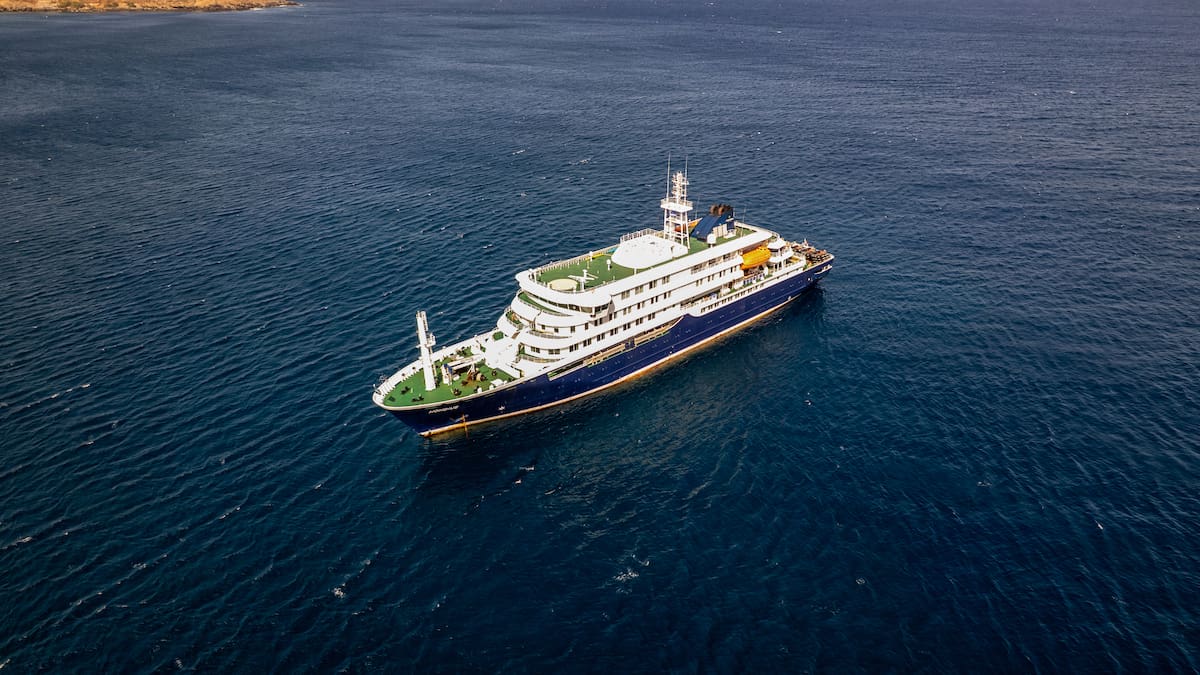
“If you’re on a ship in the middle of the ocean the only thing that can make a difference will be evacuation to an intensive hospital with intensive care,” Baker said.
People become infected with hantavirus by inhaling dust which contains rat droppings and urine.
Hantaviruses are a family of viruses spread to humans through rodents that can lead to serious illness and death. Photo / 123RF
The human-to-human infection risk is very low, said Baker, although it has been recorded before.
The disease has an incubation period of one to eight weeks, which matches when the ship departed Argentina on March 20, said Baker.
“There could be other people who are incubating the same infection as well, who will be very worried. So if there’s anyone else on board that ship with a flu-like illness, hopefully they’re being evacuated immediately.”
He said it would be likely that the tourists caught the disease while on land and then boarded the ship carrying it.
The disease is impossible to catch in New Zealand and the only way someone in the country could get it is by catching it overseas and then travelling here, Baker said.