
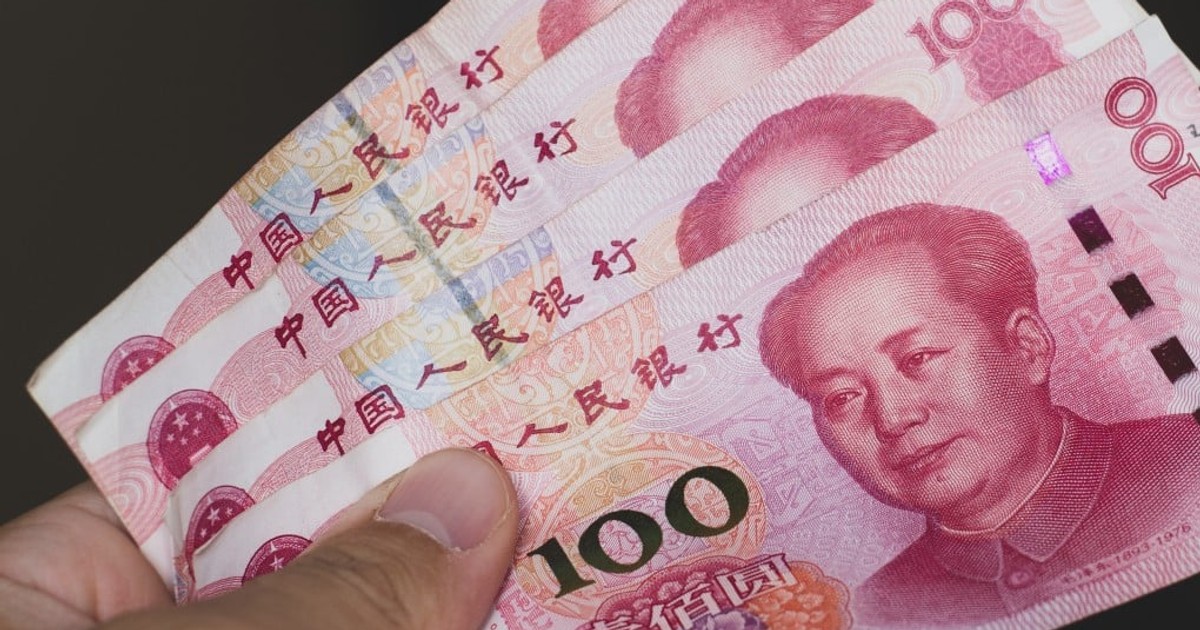
The proposal is part of ongoing restructuring talks with Beijing, the country’s biggest bilateral creditor.
“This is usually a possibility that the cooperation partner raises,” the finance ministry said, according to Bloomberg. “In this specific case, it was a valid possibility that was put on the table.”
The discussions come at a critical time for the gas-rich southeast African nation.
Fitch Ratings last month said a default is likely, cutting its assessment of the country’s creditworthiness.
Switching part of the debt into yuan could ease short-term pressure by reducing exposure to the US dollar, which has strengthened against many African currencies, making external debt more expensive to service.
Mozambique’s move would follow a broader shift across Africa, where governments are turning to China’s currency as Beijing pushes to expand its global use.
Still, the yuan remains a small part of global reserves. IMF data shows it accounts for less than 2%, compared with 56.8% for the US dollar, underlining the limits of its global reach despite gradual gains.
Mozambique is also in talks with China over a debt-for-development swap, which would redirect part of its obligations into domestic investment projects.
“The government intends to extend the scope of this window… to convert part of the debt into investments directed towards strategic projects,” Bloomberg quoted the finance ministry as saying.
Officials say priority areas include agriculture, energy, infrastructure, health, education and climate resilience. One of the first projects under consideration is expected to focus on children.
If agreed, the deal would place Mozambique among a small number of African countries testing such arrangements with China. Egypt signed a memorandum of understanding on a similar framework last year.
Despite holding some of Africa’s largest natural gas reserves, Mozambique has yet to benefit fully from the sector. Projects led by TotalEnergies and ExxonMobil, worth about $50 billion, have faced years of delays, with exports now expected only toward the end of the decade.
Meanwhile, debt pressures are building. Mozambique’s $900 million Eurobond begins repayments in 2028, with annual payments of $225 million.
The government is also seeking a new IMF program after abandoning a previous one last year, highlighting the urgency of securing relief before major repayments begin.