
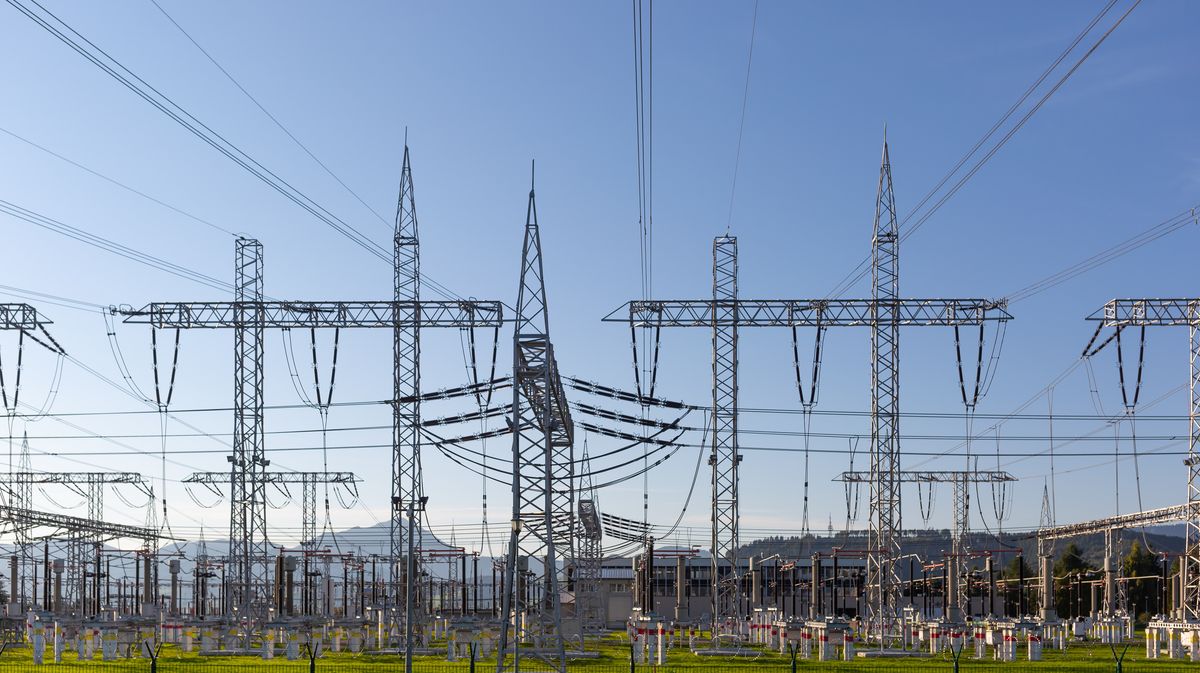
A new study found that Ireland is paying significantly more than any other nation in the European Union for household electricity.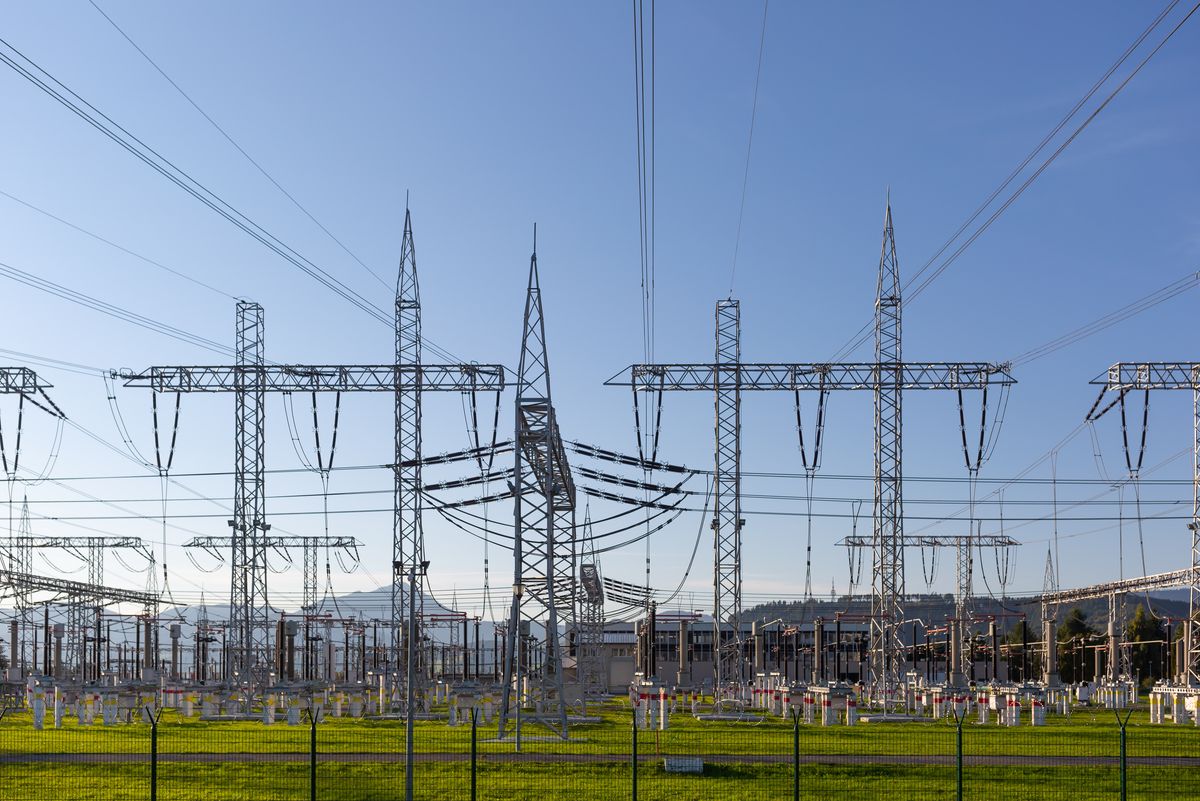
Ireland’s household electricity prices have skyrocketed
Irish households are paying a whopping €480 ($564) more annually for electricity than the average in the European Union, a new study found.
Newly-released research conducted by the statistical agency Eurostat found that Ireland pays significantly more than the 27 nations that make up the European Union (EU). Ireland’s average electricity price is 40.42 cents per kilowatt-hour, including VAT and levies, which is nearly 40% above the EU average of 28.96 cents per kilowatt-hour, based on statistics from the second half of 2025.
Following Ireland, the EU nation paying the most for household electricity is Germany at 38.66 cents, followed by Belgium at 34.99 cents.
READ MORE: Pint of Guinness reaches record price as ‘absolutely wild’ inflation blastedREAD MORE: Ireland’s high costs ‘deter a certain segment’ as tourism numbers drop in 2025
Meanwhile, the EU countries paying the least for household electricity are Hungary at 10.82 cents, Malta at 12.82 cents, and Bulgaria at 13.55 cents.
The study comes after electricity and gas provider PrepayPower said prices will increase next month.
Starting in June, consumers will be hit with a 8.8% electricity and 10.6% gas price hike, which is estimated to cost households an extra €168 ($167) per year for electricity and €171 ($200) for gas, totaling to €339 ($398) extra annually for household electricity and gas costs.
Irish households have been paying more for electricity than the average EU household “for years,” according to Daragh Cassidy, of price comparison site Bonkers.

Ireland’s geographical isolation presents challenges to addressing rising energy costs, experts explain
He said that several unique factors can explain why Ireland pays significantly more for household expenses, including its widespread one-off housing, reliance on gas for electricity and increase of data centers in the country.
“[We have] a relatively small and dispersed population with a lot of one-off housing, so the costs for the upkeep of our electricity network are very high on a per capita basis,” he told The Journal. “The rapid growth of the population and the increase in the number of data centers operating here in recent years also hasn’t helped.
“This is putting pressure on the grid. And in recent years, we’ve had to procure high-cost, emergency gas generation to plug the gap between electricity demand and supply.”
More than 40% of Ireland’s electricity is generated from gas, which is more expensive than popular alternatives such as hydro and nuclear energy. He also noted that Ireland’s power plants are “older and smaller” than those of other EU nations.
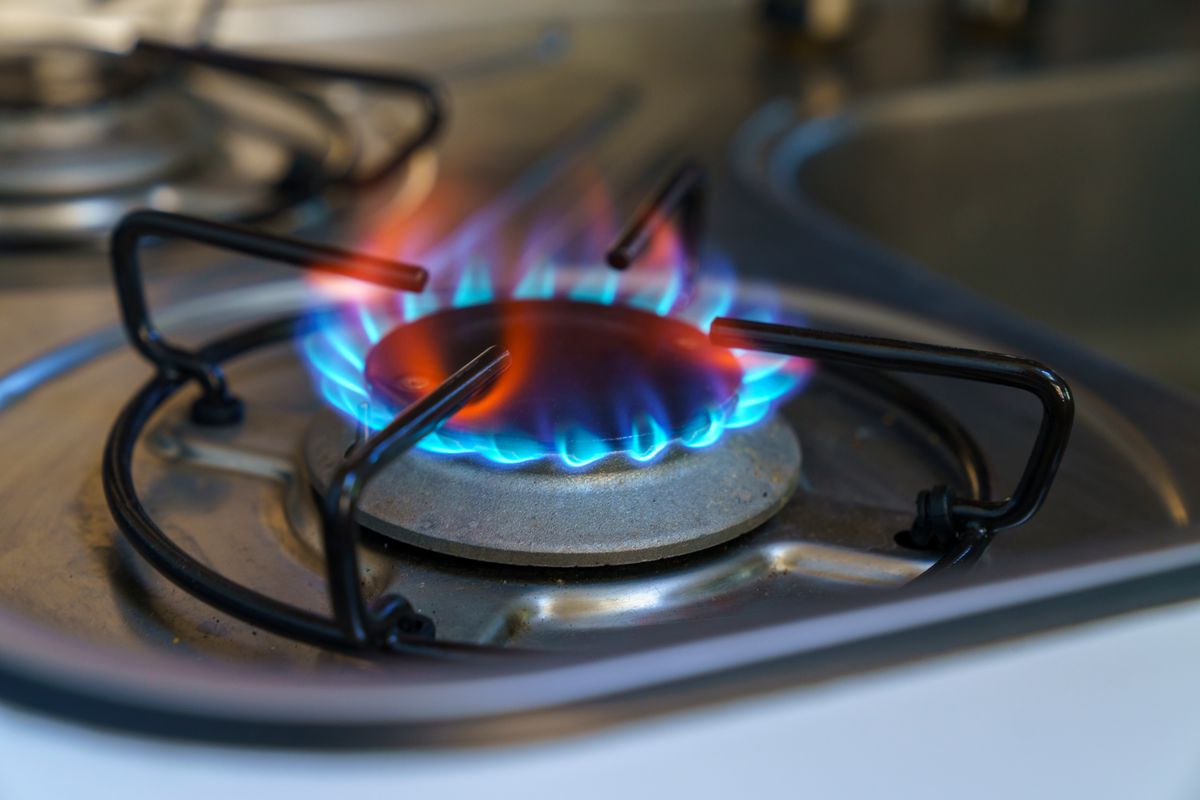
More than 40% of Ireland’s electricity comes from gas, which is one of the most expensive energy sources
Just this week, Taoiseach Micheál Martin advocated for Ireland to “consider seriously” implementing nuclear energy into its power grid.
“We’ve made significant progress on renewables, particularly onshore wind and solar, and offshore wind will be a major next step. But we should also look at alternatives, including nuclear, given advances in technology,” he said.
However, Cassidy complained that Ireland’s geographic isolation presents a challenge when searching for cheaper energy alternatives.
Currently, Ireland only has two interconnectors with the United Kingdom. However, Irish engineers are currently working to build an interconnector with France, which Cassidy hopes will help Ireland lower its electricity costs in the future. The Irish-French interconnector is expected to be finished by 2028.
However, he warned that renewable energy sources also require a lot of investment and adds costs that fall on consumers.
Newsletter sign up
For all the latest news straight to your inbox, sign up for our FREE newsletters here.