
By Talaia Mika of 
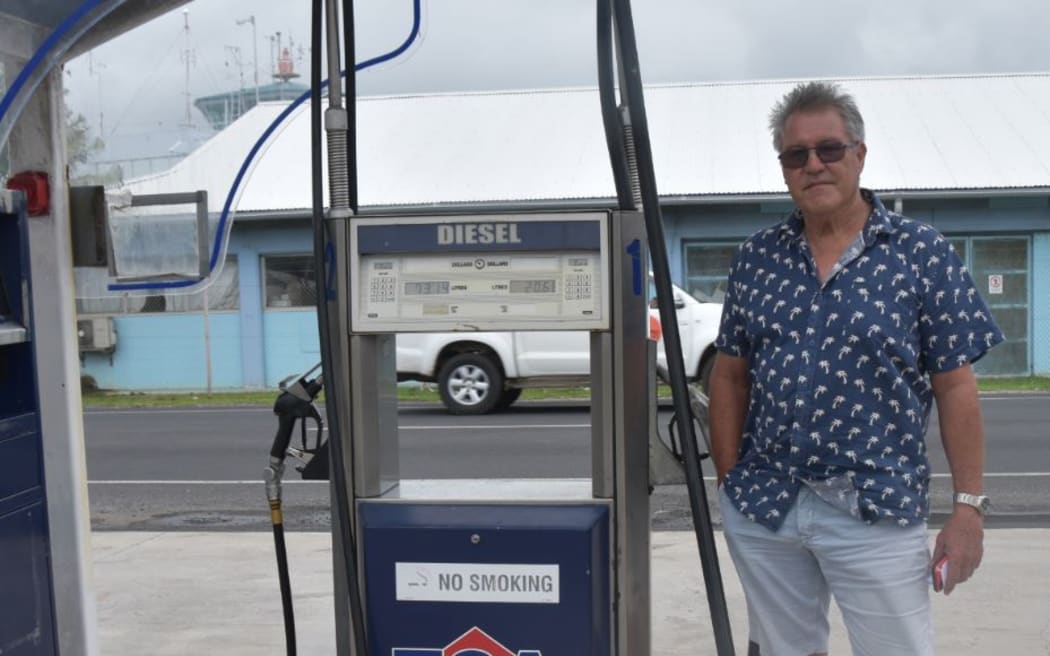
Toa Petroleum owner Brett Porter.
Photo: Cook Islands News
One of Rarotonga’s major fuel suppliers will no longer import on behalf of other bulk customers as it rolls out a new business model over the next four months – a transition that is already raising concerns regarding rising costs and supply pressures.
In a notice to customers dated 17 April, TOA Petroleum director Brett Porter confirmed the company is “not prepared to continue with the business as an importer for others” amid ongoing financial losses and changes in global fuel supply conditions.
The Cook Islands government said it is aware of the changes in TOA Petroleum’s operating model, adding “it appears to be a commercial decision by the company”.
The government emphasised that it will continue to monitor developments closely and take action where needed to ensure stable and reliable supply.
TOA Petroleum’s decision follows years of dispute with the Cook Islands Price Tribunal over fuel pricing, the company said.
Porter said changes to the pricing template in 2022 resulted in “significant ongoing losses” for the company.
A court ruling earlier this year found the Tribunal’s decisions could not be challenged, a result Porter described as “clearly wrong” and subject to further legal action.
At the same time, he said global suppliers have shifted to spot pricing – following the Middle East conflict and closure of the Strait of Hormuz – requiring payment upfront before fuel is loaded, adding further risk for local importers.
“Under these circumstances, we are not prepared to continue with the business as an importer for others,” Porter said.
Instead, TOA said it will move to a bulk storage hosting model, where businesses will import their own fuel directly from suppliers such as Pacific Energy, pay upfront and then store it at TOA’s depot for a fee.
Storage and delivery will cost 25 cents per litre (plus VAT), with additional charges if fuel remains in storage beyond 45 days, according to the notice.
Porter said the model could save customers around 22 cents per litre under the current pricing template.
Despite the shift, TOA will continue importing fuel for its own operations, including its Panama forecourt, smaller outlets and customers in the outer islands.
“The notice is to our existing and potential bulk customers … It is a business decision that we are adopting over the next four months. We will assess the situation after this,” Porter said.
Chellenges for small businesses
However, for smaller businesses reliant on TOA’s supply, the changes present new challenges.
The owner of a local store and fuel pump, who declined to be named, said the rising cost of fuel is already affecting operations.
“Cost wise, everything is climbing up,” the owner said.
The business had briefly reopened its fuel pump before closing again temporarily, with plans to resume operations shortly. However, uncertainty surrounding the new scheme continues to cause concern.
“Hopefully we don’t get stuck with the fuel. That’s a problem,” the owner said.
Unlike larger operators, smaller businesses face restrictions around storing fuel due to safety regulations and licensing requirements, limiting their ability to import directly.
“We’re not allowed to bulk or stock the fuel because it’s dangerous goods … we don’t have the licence to store fuel,” the owner explained.
While TOA’s new model allows businesses to store imported fuel at its depot for a fee, the added costs are expected to flow through to consumers.
“Prices will be going up. Then it’s going to have a lot of impact. It will impact the consumers. Hopefully it doesn’t go that way,” the owner said.
With limited options, businesses say they are left with little choice but to follow TOA’s lead.
“They are the suppliers. What they say is what we have to go along with it for now.”
The owner described the situation as “worrying”, adding that obtaining a bulk storage licence could be one way forward, though it comes with its own challenges and costs.
“It’s depending on our surrounding … I’ve asked, and I’m not sure if our neighbours will agree,” they said.
The business is now exploring options while hoping for potential government support.
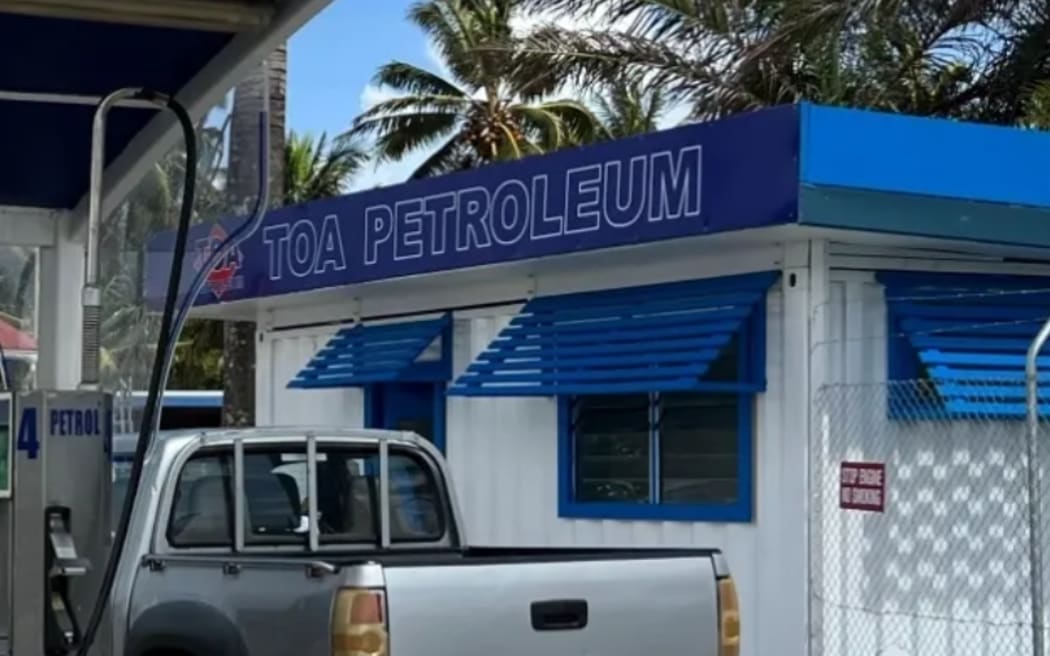
TOA Petroleum service station in Rarotonga.
Photo: Screengrab / https://toapetroleum.com
Financial secretary Garth Henderson said the focus remains on ensuring supply continuity, maintaining system stability and protecting both consumers and businesses during this period.
“The Government is aware of the changes in TOA Petroleum’s operating model. This appears to be a commercial decision by the company,” Henderson said.
“At this stage, there is no indication of an immediate risk to national fuel availability. Supply pathways remain active through multiple importers and suppliers.”
According to Henderson, the approach described where customers procure fuel directly and utilise storage services is “not uncommon in some markets, provided it complies with existing regulatory and safety requirements”.
“The cross-government Energy Response Technical Working Group and other relevant agencies continue to monitor the situation closely.”
When asked about potential support for local businesses, Henderson stated that there is ongoing engagement between the government, fuel suppliers and key stakeholders to ensure that businesses continue to have access to fuel.
He said the government is also prepared to facilitate practical solutions to assist with market functioning such as coordination across suppliers and logistics arrangements “where necessary”.
“In addition, energy suppliers have the option to utilise existing financial infrastructure, including facilities through the Bank of the Cook Islands, to support working capital and recapitalisation where needed,” Henderson said.
“More broadly, this situation highlights the importance of building resilience in the fuel supply system. The government is working on a range of measures to strengthen energy security, improve coordination and support more efficient and sustainable arrangements over time.”