
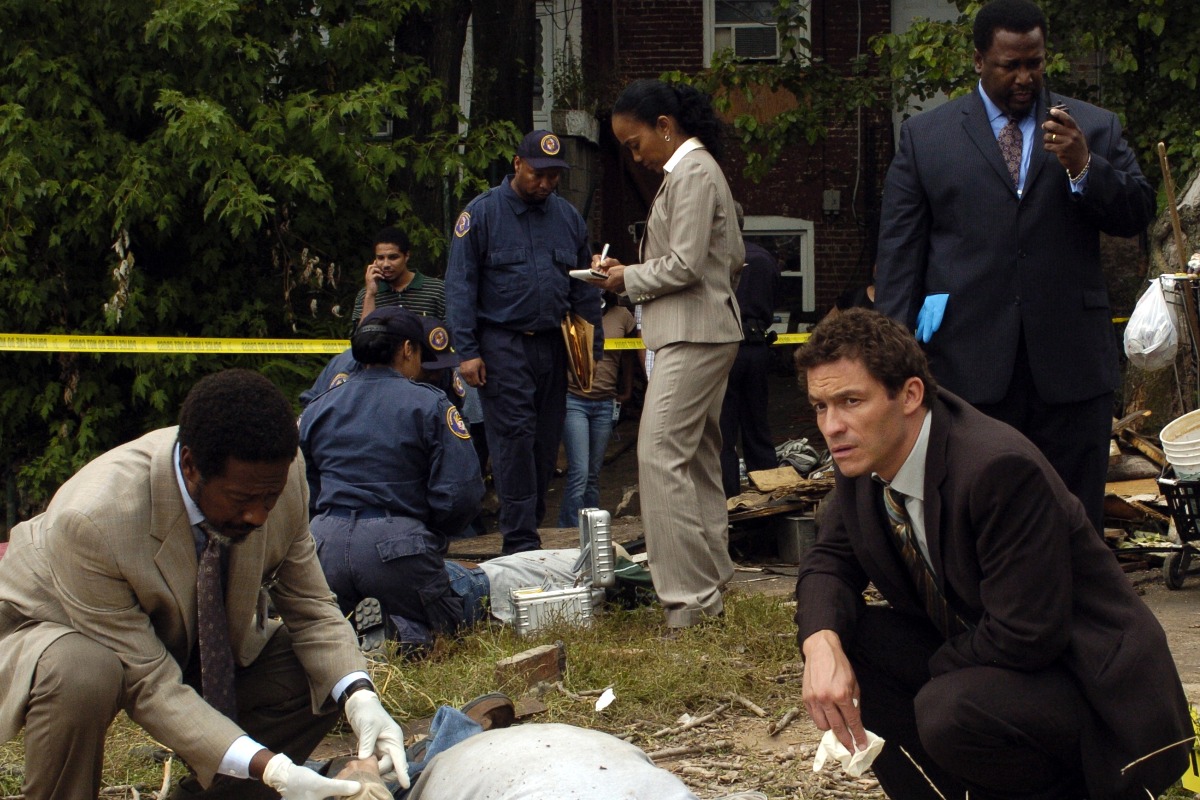
Back in Season 1, Episode 4, Old Cases, HBO’s The Wire turned a painstaking crime-scene re-creation into near-silent comedy, with Jimmy McNulty and Bunk Moreland communicating almost entirely through the word “fuck.” Written by Ed Burns and inspired by Baltimore detective Terry McLarney, the 2002 scene helped define David Simon’s series.
As platforms fret over cookie-fueled ad models and tightening rules, a different kind of economy still dazzles from Baltimore. In The Wire, David Simon and Ed Burns turned a routine crime scene into a masterclass of minimalism, letting McNulty and Bunk sift evidence with little more than a single, repeated profanity. The moment sprang from real Baltimore lore via detective Terry McLarney and was honed by Dominic West and Wendell Pierce on set. It’s the sort of audacity that explains why the HBO series still crackles on HBO Max long after its 2002 to 2008 run.
A show that shaped television history
Some scenes don’t just land, they linger. If you watched The Wire when it premiered, you might still hear the cadence of a detail room, the thrum of a pay phone, the quiet between two partners staring at bad evidence. Running from 2002 to 2008, The Wire reframed crime drama as civic x-ray, charting Baltimore’s machinery from street corners to city hall with rare patience and precision.
Created by David Simon, the series layered cops, dealers, stevedores, teachers and reporters into a single ecosystem. It resisted tidy resolutions, favoring institutional cause and human effect. The results earned a reputation that endures, not because the show lectured, but because it observed. Even now, its storytelling feels startlingly current, its empathy unsentimental and exact.
The scene that said it all with one word
Episode 4 of Season 1, “Old Cases,” delivers a sequence that still defines the show’s method. Detectives Jimmy McNulty, played by Dominic West, and William “Bunk” Moreland, portrayed by Wendell Pierce, rework a bungled homicide. For minutes, their dialogue is almost exclusively one word, a string of “fuck”s that chart frustration, discovery and, finally, clarity.
The effect is sly and meticulous. No exposition dump, no convenient confession. Just gesture, silence, tape measures, bullet trajectories, window glass, and two pros thinking in real time. The word becomes punctuation, then scalpel. By the time they crack the scene, you grasp not just what happened, but how real detectives make meaning from ruin.
Real-life inspiration behind the brilliance
According to Simon, the idea grew from a remark by Baltimore detective Terry McLarney, who joked that investigators could conduct an entire conversation using only that one expletive. Co-creator Ed Burns, himself a former detective, wrote the sequence to honor that rhythm of work. Skeptical at first, Pierce bought in after Simon blocked every beat, every glance, every prop move.
West later recalled the barely contained laughter between takes, a reminder that gallows humor isn’t ornament in police work, it’s oxygen. The choreography felt exacting because it was borrowed from life, then tightened to a razor’s edge.
A legacy carved in one unforgettable scene
This sequence distills the series’ ethos: trust the viewer, respect the craft, let institutions and habits speak. It also quietly broke TV rules, proving that meaning can ride on behavior as much as dialogue. Is it any wonder the moment became a calling card for the show’s audacity and care?
You can revisit “Old Cases” and the full run of The Wire on Max. Two decades on, the scene still plays like a master class, reminding us how one precise choice can echo for 24 years.