
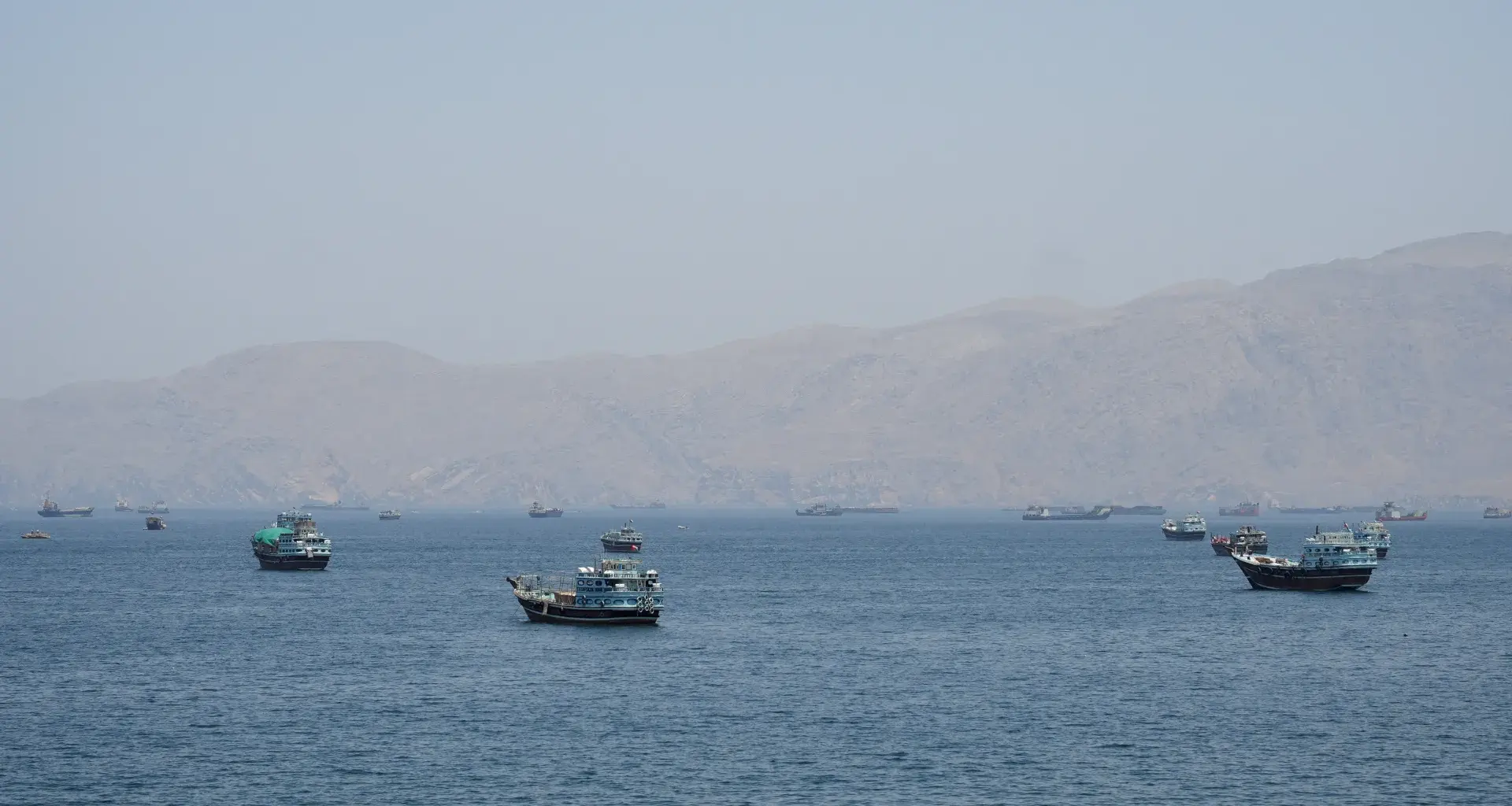
The global energy market has been thrown into chaos following Iran’s complete maritime blockade of the Strait of Hormuz, initiated in retaliation for aggressive military strikes. Commercial shipping through the critical Middle Eastern chokepoint has effectively dropped to zero.
This unprecedented escalation matters urgently because the prolonged closure of the strait threatens to trigger a catastrophic worldwide recession. With a fifth of the globe’s oil supply instantly cut off, nations reliant on imported energy face skyrocketing inflation, fuel rationing, and severe industrial paralysis.
The Investigation in the Persian Gulf
The crisis ignited in late February 2026 following the targeted assassination of Iranian Supreme Leader Ayatollah Ali Khamenei. In the immediate aftermath, the Islamic Revolutionary Guard Corps declared the 21-mile-wide waterway forbidden to commercial transit, threatening to destroy any vessel attempting passage.
The United States has countered by launching Operation Project Freedom, deploying naval escorts to force merchant ships through the heavily mined waters while simultaneously blockading Iranian ports. The resulting militarization of the Gulf has transformed a vital trade artery into an active combat zone.
International diplomatic channels have completely deteriorated as regional proxy forces launch synchronized attacks on neighboring infrastructure. The unprecedented deployment of advanced drone technology and anti-ship ballistic missiles has created an incredibly lethal maritime environment.
The Numbers Behind the Crisis
The statistical impact of the blockade on international trade and global energy reserves is unprecedented, forcing emergency interventions from the International Energy Agency to stabilize the markets.
Prior to the conflict, approximately 25 percent of the world’s seaborne oil trade passed through the Strait of Hormuz daily.Shipping traffic through the corridor has plummeted by over 95 percent, with hundreds of tankers anchored in the Gulf of Oman.Global maritime insurance premiums for vessels operating near the Persian Gulf have surged by an estimated 300 percent.Voices From the Frontline
The geopolitical standoff has left commercial seafarers caught in the crossfire. Reports confirm that the Iranian military has boarded and seized multiple merchant ships, resulting in the deaths and disappearances of at least a dozen international crew members.
Military analysts warn that the situation is exceptionally volatile. United States Central Command recently reported intercepting multiple Iranian cruise missiles and sinking several fast-attack boats, underscoring the severe risk of a broader, uncontrolled military conflagration.
Humanitarian organizations are sounding the alarm over the safety of the civilian populations residing along the Gulf coastlines, as the intensive exchange of artillery threatens to destabilize local municipal infrastructures.
The Global Regulatory Tightrope
The economic shockwaves are devastating developing economies far removed from the conflict zone. In Kenya, the Energy and Petroleum Regulatory Authority is bracing for unprecedented spikes in pump prices, which will inevitably drive up the cost of basic commodities and transport.
Economists in Nairobi warn that the East African region, already grappling with fragile economic recoveries, cannot sustain prolonged exposure to artificial oil shocks. The crisis demands urgent diplomatic intervention to secure alternative supply routes.
The disruption is accelerating the domestic push toward renewable energy infrastructure across the African continent, as governments desperately seek to insulate their developing economies from the volatility of Middle Eastern geopolitics.
Historical Context and Precedent
While Iran has frequently used the threat of closing the Strait of Hormuz as a diplomatic bargaining chip over the past four decades, the complete execution of a military blockade is historic. Unlike previous posturing, the current laying of sea mines and direct attacks on civilian infrastructure cross a definitive red line.
What emerges next from the naval standoff in the Persian Gulf could permanently reshape the global energy landscape for the foreseeable future. The international community watches with extreme trepidation as the potential for a catastrophic environmental disaster from damaged supertankers looms large.