
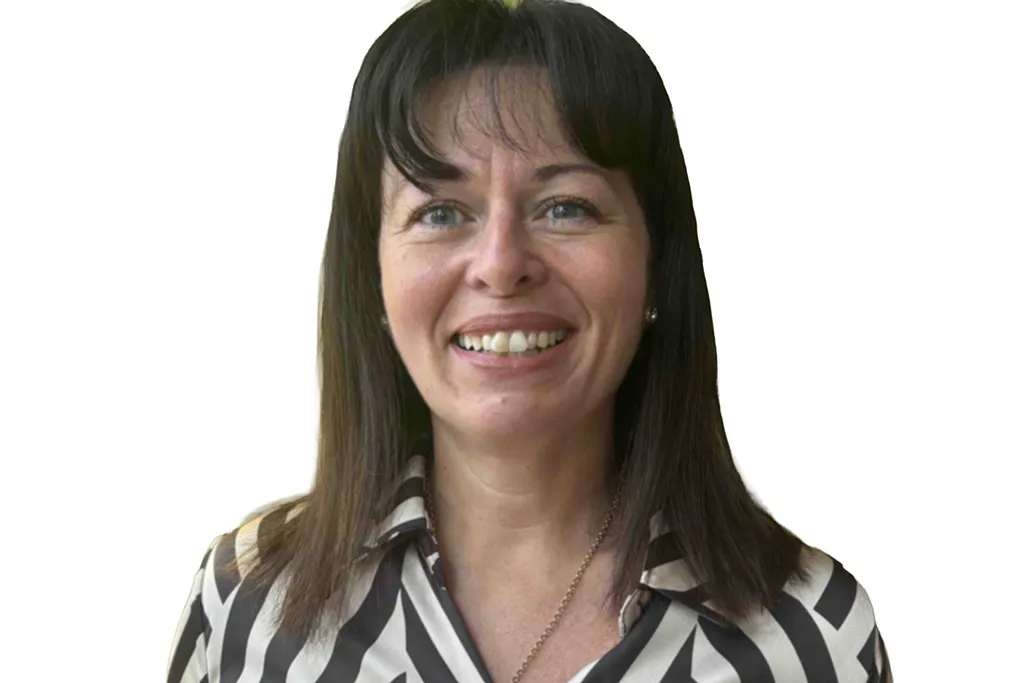
Sarah Bolton is chief executive of the Lighthouse Charity
Construction can be tough. Tight deadlines, long hours, physically demanding jobs and uncertainty all take their toll. Dealing with pressure and pace is often seen as a strength in the sector, but the expectation of resilience also makes it harder for people to reach out for support.
“Real change rarely comes from one big action, but from small choices and actions repeated over time”
In the first quarter of 2026, Lighthouse saw a 25 per cent rise in families seeking support and a 44 per cent increase in counselling sessions compared with the same period last year.
But this rise in demand also shows that things are changing.
People are feeling more confident about seeking help – and the message of support is reaching those who need it most.
While we cannot control many of the external pressures facing the industry, we can equip our workforce with the resources and soft skills to manage the challenges of daily life at work and at home.
Across our industry, many still struggle with the idea that reaching out for help shows strength, not weakness. We need to normalise conversations around mental wellbeing and give people permission to say “I need some help”. Poor mental health can affect anyone. Just because you are a site manager, or get paid a bit more than others, it does not make you immune.
The encouragement of open conversations comes from good leadership, letting people know there is no judgement. Leadership comes from every level – whether you’re a site labourer, the person on the gate or a manager, positive mental health is everyone’s responsibility.
On a recent webinar about positive mental health, someone said: “It’s not just about fruit baskets in the break room.” That struck a chord. This is about creating a psychologically safe environment where people feel able to share and see they are not alone. And it needs to be constant, not just a one-off toolbox talk or site induction.
How often do we ask if someone is okay, but not really listen to their reply? “Hi, how are you?” “Yeah, fine. You?” But asking twice, especially when someone seems quieter than usual or is going through a difficult time, can make a real difference. No one is expected to fix the problems they hear back. Listening and signposting someone towards the support they need is enough.
Never too early
Too often people reach crisis point before asking for support. We want people to feel able to reach out early, no matter how small the problem seems. Wellbeing is almost always intrinsically linked to financial or physical health issues. If someone receives a bill they cannot pay, we want them to contact us so we can help them get ahead of it, reduce stress and understand what else may be happening in their life.
We need to improve mental health literacy from the earliest opportunity, through schools, apprenticeships and into the workplace. That means creating a culture where people are not afraid to talk about mental wellbeing, and where they know support is available.
There is also room for improvement in how our industry manages these issues. I would like to see mental health first-aid training made mandatory, just like physical first aid. But it cannot be a tick-box exercise. Mental health first-aiders must be relatable, approachable and properly trained to spot the signs of someone struggling.
One of our charity’s life coaches recently said to me that real change rarely comes from one big action – it comes from small choices and actions repeated over time. And that is so right. We all have our part to play by listening beyond the default, asking twice, checking if “okay” really does mean okay and continuing to contribute to positive change in our amazing industry.
Mental Health Awareness Week is taking place until Sunday, 17 May. The Lighthouse Charity provides free 24/7 emotional, physical and financial wellbeing support for construction workers and their families. Call 0345 605 1956 or 1800 939 122 (Ireland). Visit lighthousecharity.org for more