
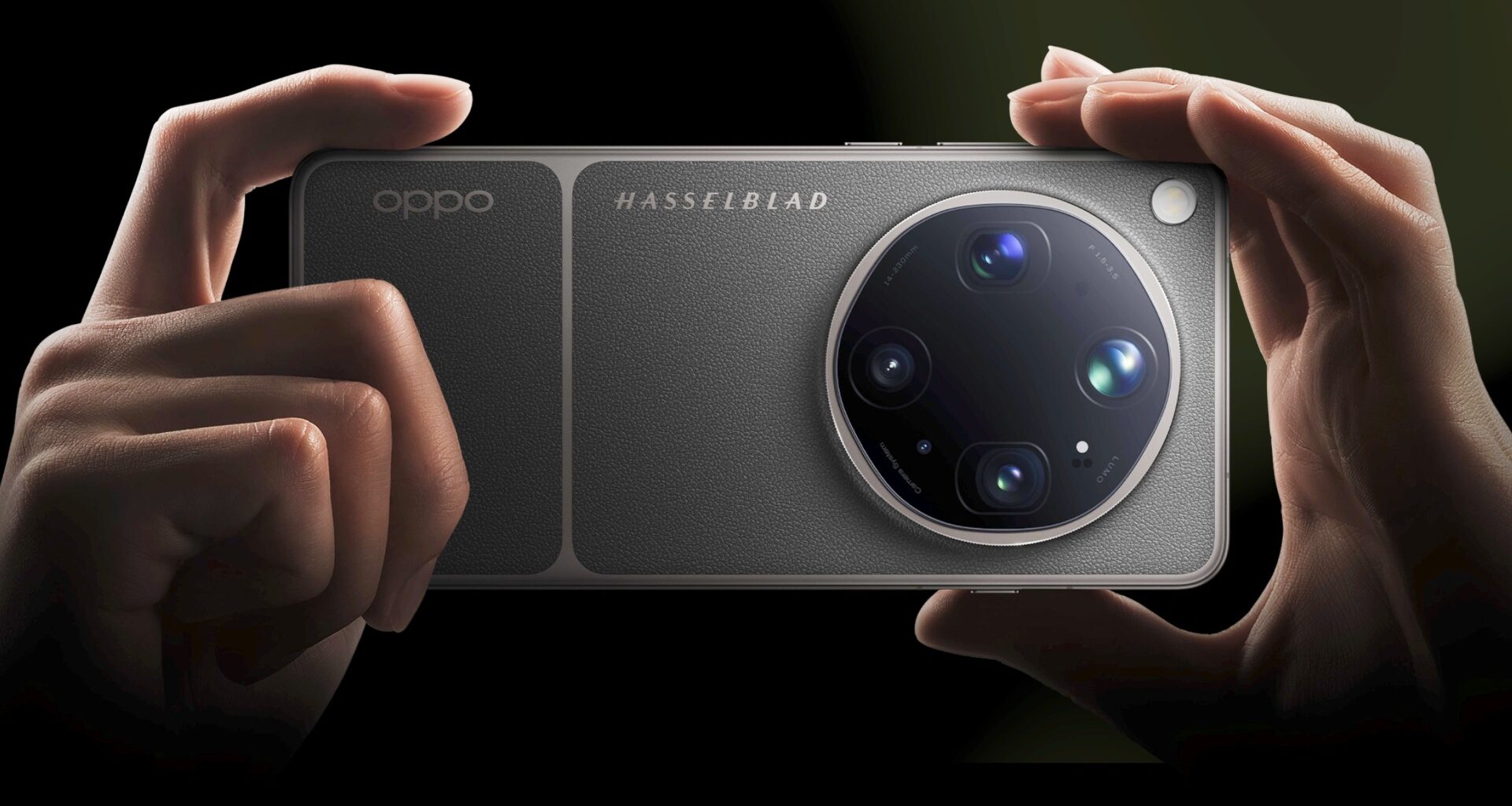
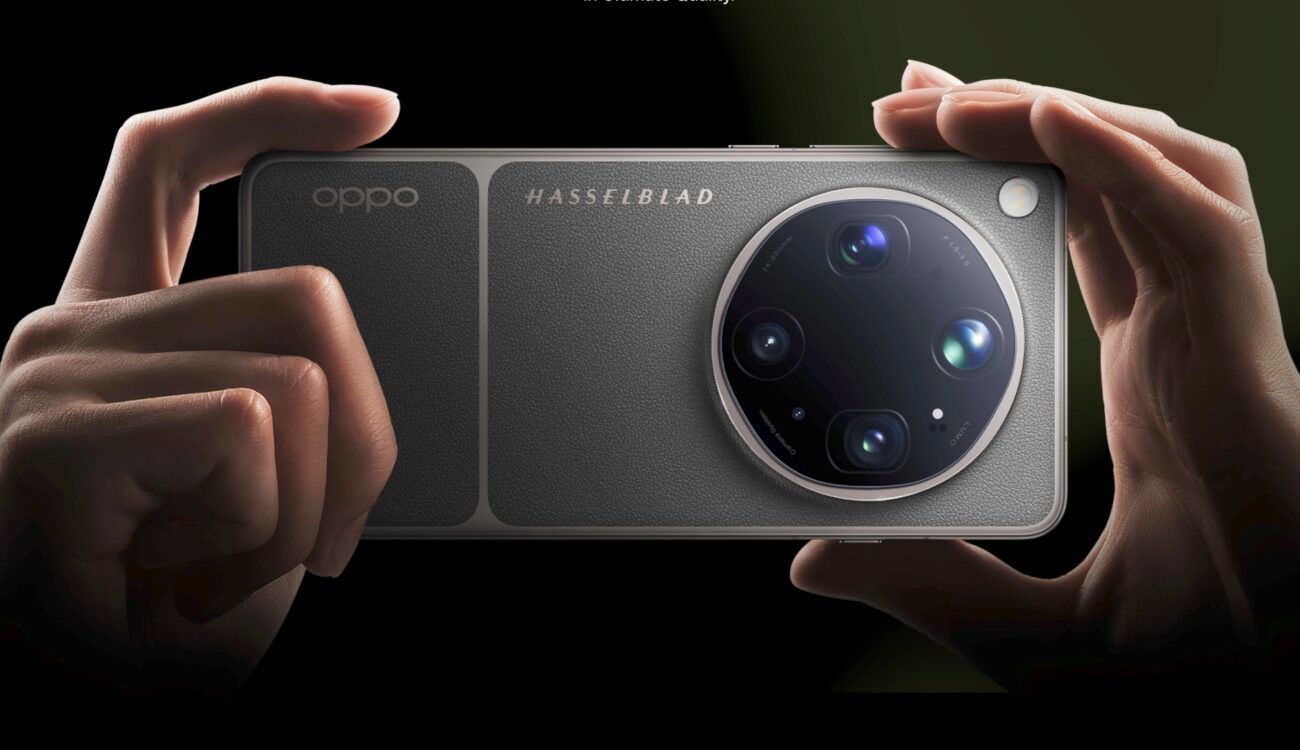
OPPO has unveiled the Find X9 Ultra, a Hasselblad co-engineered flagship that pushes mobile filmmaking with 8K 30fps 10-bit Log recording, an ACES-certified color pipeline, and 4K 120fps Dolby Vision capture. The new device pairs four imaging lenses, including a 200MP main camera and a 50MP 10x optical periscope telephoto, with Qualcomm Snapdragon 8 Elite Gen 5 silicon and a 7050mAh battery.
The Find X9 Ultra arrives as the successor to the Find X8 Ultra that we covered last year, and the changes between the two generations land squarely in the territory CineD readers care about. Where the previous model stopped at 4K 120fps Dolby Vision and offered no proper log workflow, the X9 Ultra extends to 8K capture, introduces a second-generation log profile, and adds tooling that mobile filmmakers have been asking for: custom LUT import, real-time preview when shooting log, and the option to burn the LUT directly into the file. We focus first on what the phone offers as a video tool, then look at the wider camera system and the rest of the hardware.
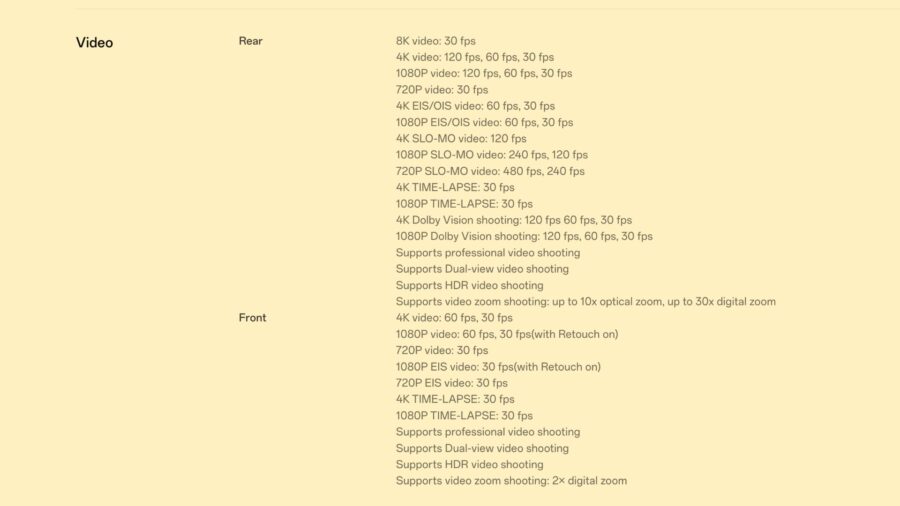 OPPO Find X9 Ultra 9 resolutions and frame rates. Credit: OPPO8K log, ACES, and a new color pipeline
The headline feature for filmmakers is 8K 30fps 10-bit log recording using OPPO’s new O-Log2 profile, which the company describes as offering higher dynamic range and a wider color gamut than its predecessor. OPPO publishes O-Log2 technical specifications and LUTs through a dedicated downloads page, which suggests the profile is meant to be integrated into a proper color-managed pipeline rather than treated as a phone gimmick.
OPPO additionally claims the imaging pipeline is ACES-certified, which would place the device’s color science within the same framework used by professional cinema cameras. If that claim holds up in practice, it should mean predictable color across the X9 Ultra’s lenses and into post, with consistent rendering when intermixed with cinema-camera footage on the same project. We will reserve judgment until we have a chance to put test material through a working pipeline.
Beyond 8K30, the rear cameras can record 4K up to 120fps with Dolby Vision support, 1080p at up to 120fps Dolby Vision, and a range of slow-motion options reaching 240fps at 1080p and 480fps at 720p. EIS and OIS are available in 4K up to 60fps. The front camera supports 4K at up to 60fps with full retouch, which is unusual at this level and matters for talking-head content where the operator may want to monitor themselves while recording.
 OPPO Find X9 Ultra lens system. Credit: OPPOLUT-based workflow on-device
Of the new tools, the LUT support is the one that genuinely closes the gap with dedicated cameras. The phone ships with three preset “cinematic LUTs” and accepts custom Cube LUT imports, which means a colorist can prepare a project-specific look in DaVinci Resolve, send it to the on-set operator, and have it applied as a monitoring LUT during the take. The same LUT can be burned into the output file if a quick delivery is needed, or kept as preview-only when the underlying O-Log2 file is what gets handed to post.
In combination with the new log profile and the ACES claim, this turns the Find X9 Ultra into something close to a B-camera proposition for documentary, social-first commercial, or covert-shoot scenarios where a phone is the only practical tool. Four microphones handle audio capture, suggesting directional or spatial audio options, though OPPO has not specified the exact pickup pattern. For comparison with the Apple side of the mobile filmmaking conversation, see our recent coverage of Final Cut Camera 2.0 with Apple Log 2 and ProRes RAW on the iPhone 17 Pro.
 TILTA KHRONOS Kit. Credit: OPPOTILTA KHRONOS Kit for a rigged workflow
For users who want to treat the phone as a proper production camera, OPPO is positioning the optional TILTA KHRONOS Kit as the matching rig. The kit, sold separately, bundles a follow-focus power handle, a cooling back clip, an ND filter adapter ring, a side handle, and an expansion dock. The cooling part is the notable inclusion here, since sustained 8K30 and 4K120 recording on any phone generates significant heat. OPPO cites a 3D Cryo-velocity cooling system internally to maintain those frame rates, with encapsulated thermal unit technology backing it up.
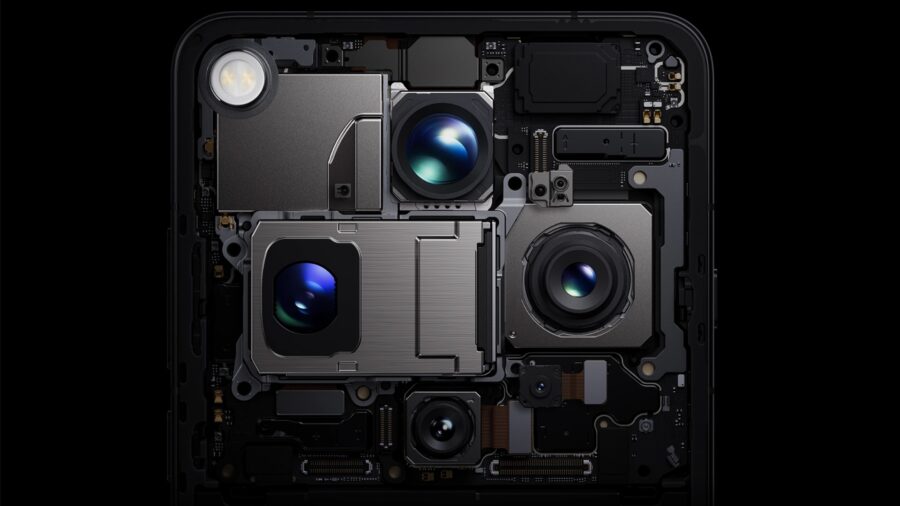 OPPO Find X9 Ultra camera system. Credit: OPPOThe Hasselblad Master Camera System
Co-developed with Hasselblad, the rear array uses four imaging lenses plus a dedicated color correction sensor and three additional sensors for color temperature, focus, and infrared. The 200MP main camera uses a new Sony sensor with a 1/1.12-inch surface area, an f/1.5 aperture, and a 23mm equivalent focal length, with what OPPO calls cinematic OIS, simultaneous triple exposure, and a higher dynamic range capture mode. The 200MP 3x portrait telephoto at 70mm pairs an f/2.2 aperture with a 1/1.28-inch sensor and supports a 15cm telephoto macro mode.
The standout optical feature is the 50MP 10x ultra-sensing optical-zoom telephoto, which uses what OPPO describes as a quintuple prism reflection periscope structure. The 230mm equivalent f/3.5 lens covers a 1/2.75-inch sensor and extends to a 460mm optical-quality 20x zoom range, with digital zoom available up to 120x. Rounding out the array is a 50MP ultra-wide at 14mm equivalent with a 1/1.95-inch sensor and f/2.0 aperture, plus a separate True Color Camera with 24 spectral channels for accurate white balance, contributing to what OPPO claims is up to 15 stops of dynamic range across photo, motion photo, and video.
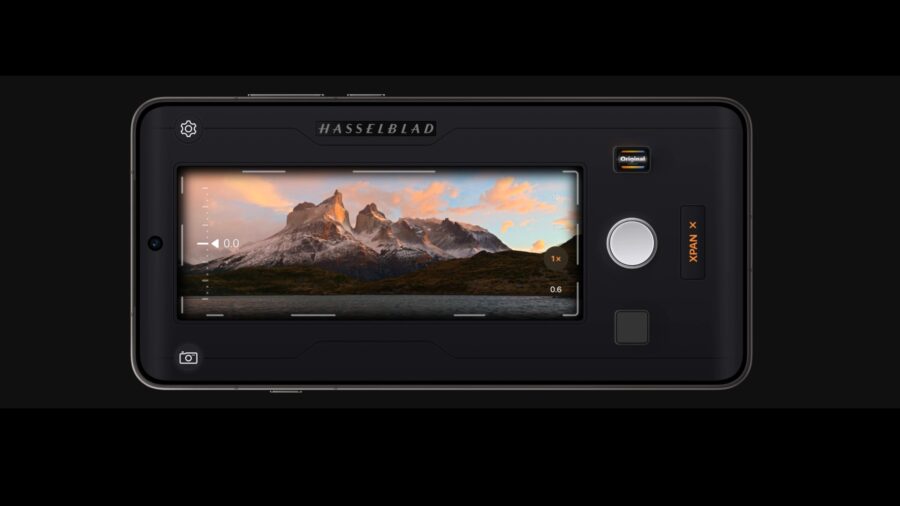 Hasselblad XPAN mode. Credit: OPPO
A new Hasselblad Natural Colour Solution drives the color science with full-link original color ProXDR, while the Hasselblad Nature Tonality system handles the tonal curves co-developed between the two companies. For panoramic work, the phone includes a Hasselblad XPAN mode that mimics the legendary 65:24 panoramic film camera. The front camera is a 50MP unit at 21mm equivalent with an f/2.4 aperture.
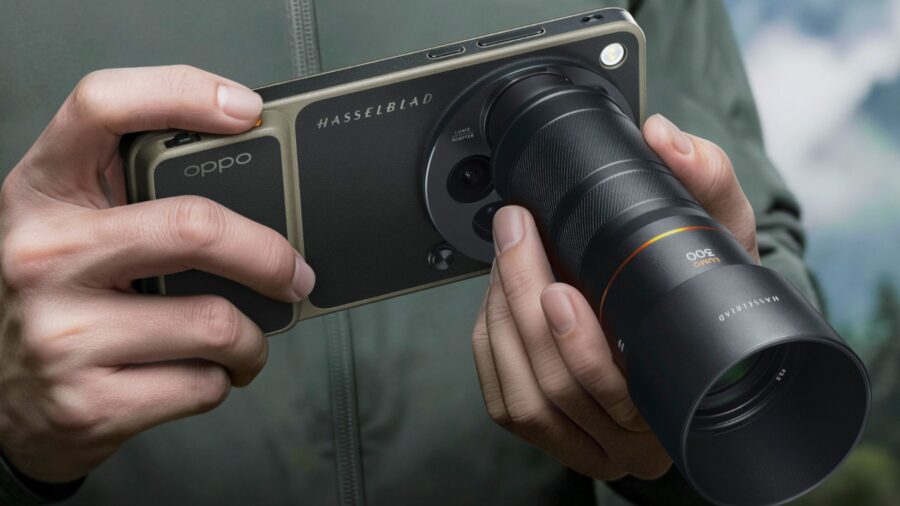 The optional 300mm lens. Credit: OPPOOptional 300mm Explorer Teleconverter
For users who need extreme reach, OPPO offers a separately sold Hasselblad 300mm Explorer Teleconverter, part of an Earth Explorer Kit. The accessory adds a 300mm native optical focal length, extending the system to a 690mm optical-quality equivalent at f/2.2, with a 16-element all-glass construction and fusion OIS plus EIS stabilization driven by the 3x telephoto module. For wildlife and event coverage, this looks closer to a long lens kit than a typical phone accessory.
Snapdragon 8 Elite Gen 5, big battery, and ColorOS 16
The Find X9 Ultra runs on Qualcomm’s Snapdragon 8 Elite Gen 5 with an Adreno 840 GPU at 1200MHz, paired with up to 16GB LPDDR5X RAM and up to 1TB UFS 4.1 storage. OPPO cites sustained 8K30 and 4K120 frame rate recording, supported by the new cooling system. The 6.82-inch ProXDR AMOLED panel runs at 144Hz adaptive (1 to 120Hz with 144Hz reserved for select gaming scenarios), pushes a claimed 3600 nits peak outdoor brightness, and covers 100% DCI-P3 with 10-bit color depth, which is useful when monitoring log footage in bright environments.
A 7050mAh silicon-carbon battery handles power, with 100W wired SUPERVOOC charging and 50W wireless AIRVOOC. Ingress protection is rated IP66, IP68, and IP69, and the device runs ColorOS 16 on top of Android. Bluetooth 6.0, Wi-Fi 7, and USB-C 3.2 Gen 1 round out the connectivity options. The phone measures approximately 163.16 x 76.97 x 8.65mm (or 9.10mm in the Tundra Umber leather finish) and weighs about 235 grams in Canyon Orange or 236 grams in Tundra Umber. The Canyon Orange option uses a metallic finish, while the Tundra Umber model wears matte eco-leather with a Hasselblad logo bar referencing the X2D 100C Earth Explorer limited edition.
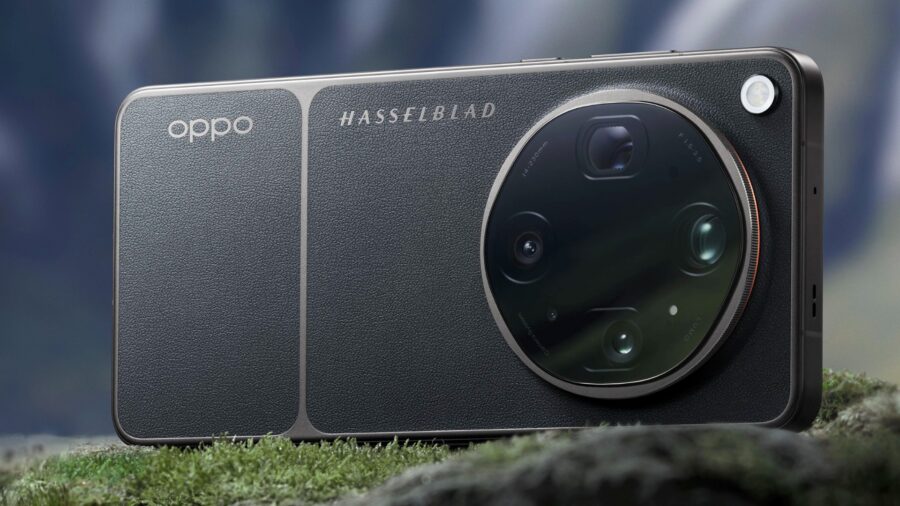 OPPO Find X9 Ultra. Credit: OPPOPricing and availability
The phone will be offered around June 15th in 12GB+512GB (€1.699) and 16GB+1TB configurations, and most probably won’t be available in the U.S. Availability of the TILTA KHRONOS Kit, the 300mm Explorer Teleconverter, and the Hasselblad Earth Explorer Kit accessories is also dependent on region. More information can be found on the OPPO Find X9 Ultra product page and the full specifications page.
Do you have any experience working with the OPPO mobile phone for video? If so, don’t hesitate to let us know in the comments below!