
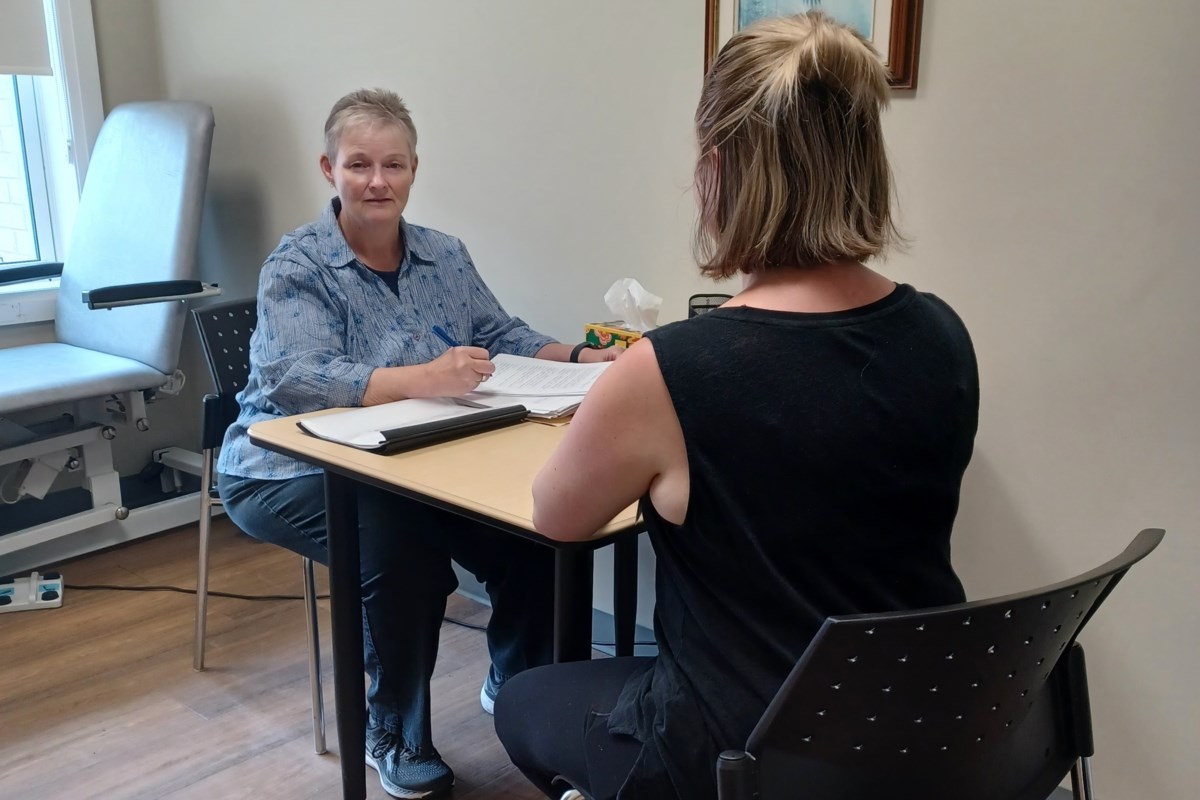
Front-line shelter staff can stabilize crises and connect people to help, but they cannot replace clinical mental health care
May is Mental Health Awareness Month. When people think about homelessness, conversations often include the topics of mental health and addictions. These issues are significant factors in homelessness.
Many people who are experiencing homelessness live with trauma and the lasting effects of difficult life experiences. Sometimes the ways they cope are not healthy, but they are often strategies developed when people are simply trying to survive.
Homelessness services provide shelter and support for people from all walks of life. This includes people living with severe mental health challenges, physical health conditions, and complex personal histories. The sector is designed to meet people where they are, offering safety and stability in the midst of challenging situations.
While there is significant overlap between the populations served, there is a distinction between the mental health system and the homelessness sector.
Front-line workers in shelters, supportive housing programs, and outreach services are highly skilled. They are trained in de-escalation, crisis response, and trauma-informed care.
They work every day with people who are experiencing stressful circumstances and vulnerability. However, they are not medical professionals such as psychologists, psychiatrists or nurses. As they help participants work toward housing, staff in the homelessness sector are there to support and connect people with the mental health services they need.
When someone requires mental health care, Lighthouse staff make referrals to the appropriate professionals. Unfortunately, those services can be difficult to access as wait lists are often long. In the meantime, the need doesn’t disappear. The individual still needs support, and homelessness sector staff are left doing their best to help people while waiting for the right care to become available.
This is why The Lighthouse works to create a community of care on site. Our mental health services director collaborates with mental health agencies to build connections that promote participants’ well-being. We partner with these agencies as they come on site to offer mental health and substance use navigation services.
Our front-line staff also listen to participants, provide support and encourage them to connect with mental health resources when they are available. This focus on mental health has contributed to a noticeable reduction in the need for emergency services to respond to crises on site.
An often-overlooked reality in discussions about mental health is that people experiencing homelessness live their lives in the public view. Most of us have the privilege of privacy. When we’re struggling, we can retreat behind our own walls to process our emotions. People experiencing homelessness don’t have that same privacy. When they are overwhelmed, grieving, frustrated or in crisis, it often unfolds in spaces where everyone can see. Their hardest moments play out in public.
That visibility can shape how people perceive homelessness, but it rarely reflects the full story. What people see in the moment doesn’t provide the complete picture of the complexity of someone’s experiences, the trauma they may carry or the barriers they face in accessing care.
Homelessness and mental health are connected, but they are not the same issue, and the systems designed to respond to them serve different roles. Recognizing the distinction between these services is important because lasting solutions require investment in both.
When housing supports and mental health services work together, people are better supported not only in surviving homelessness, but in moving toward long-term wellbeing and stability.
Rosemary Petersen is the managing director at The Lighthouse and can be reached at [email protected].