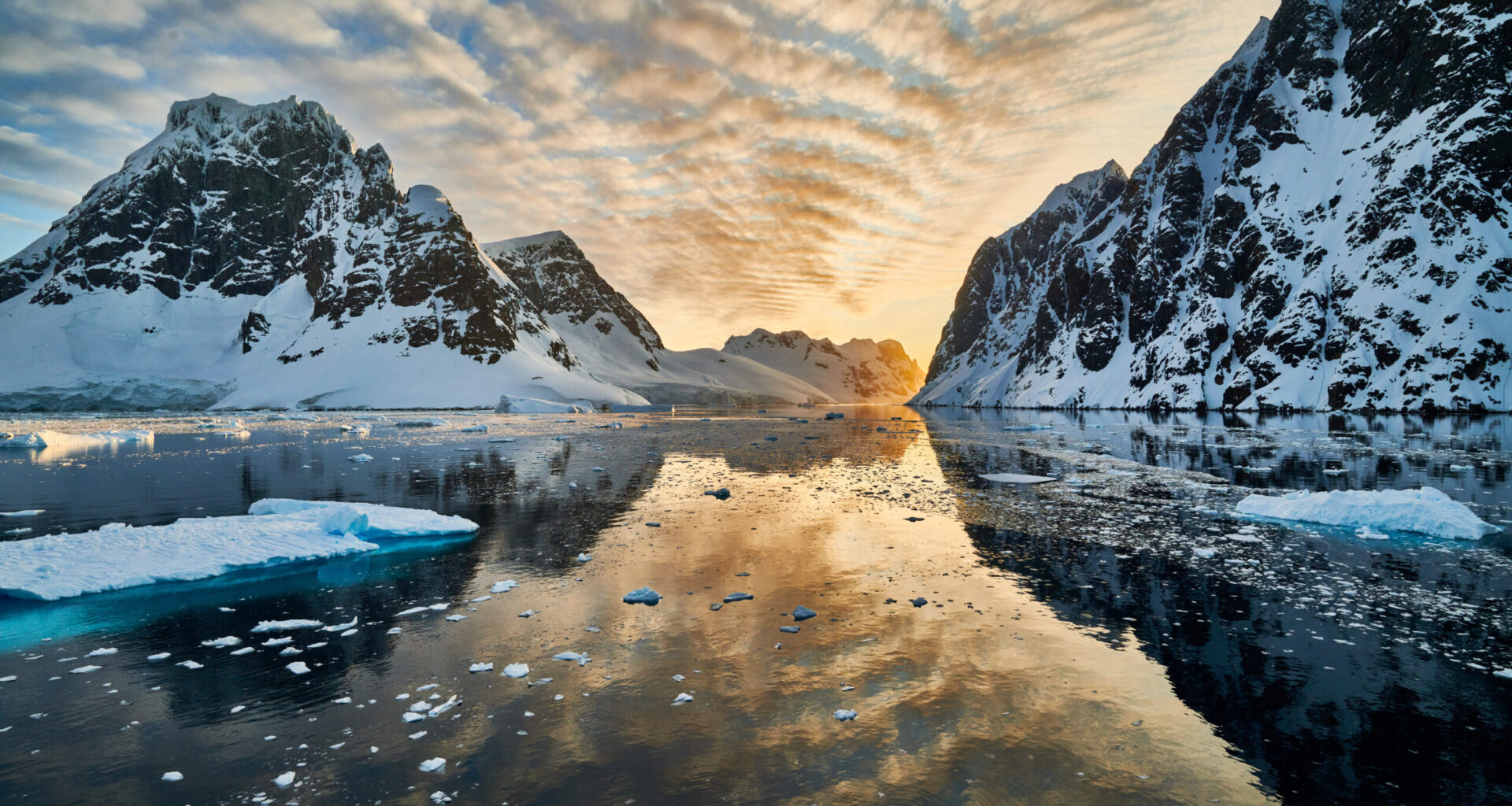
A new study has identified the three-stage process that has driven Antarctic sea ice to record lows – and warns that the Southern Ocean may already be locked in a cycle from which it cannot easily recover.
For decades, Antarctica had managed to defy the trajectory of a warming planet. While sea ice retreated across the Arctic, the frozen wilderness at the bottom of the world held and in places even grew. Then, in 2015, something changed. Sea ice began retreating at a pace and scale that alarmed scientists, culminating in record-breaking lows in 2023.
But it was the question of ‘why’ that had – until now – eluded so many and remained answered.
A new study led by the University of Southampton, published in Science Advances, has identified the mechanism behind the collapse, with findings that have left some researchers concerned. It shows that a series of compounding events pushed the Southern Ocean out of equilibrium, drawing unusually warm, salty water from the deep up to the surface in a process so extreme that it wiped out areas of sea ice equivalent in size to Greenland.
The decline unfolded in three distinct stages. Around 2013, strengthening winds began pulling warm, salty Circumpolar Deep Water closer to the surface. By 2015, intensifying winds mixed that deeper heat directly into the surface layer, rapidly melting sea ice – particularly across East Antarctica. Since 2018, the system has become trapped in a self-reinforcing cycle: with less ice to cool the surface, the water remains warm and salty, inhibiting new ice from forming.
“What started as a slow build-up of deep-sea heat under the Antarctic sea ice was followed by a violent mixing of water, ending in a vicious cycle where it’s too warm to let ice recover,” said Dr Aditya Narayanan, lead author and oceanographer at the University of Southampton.
“It’s concerning because massive loss of sea ice destabilises the world’s ocean current systems, warming our planet far quicker than expected.”