
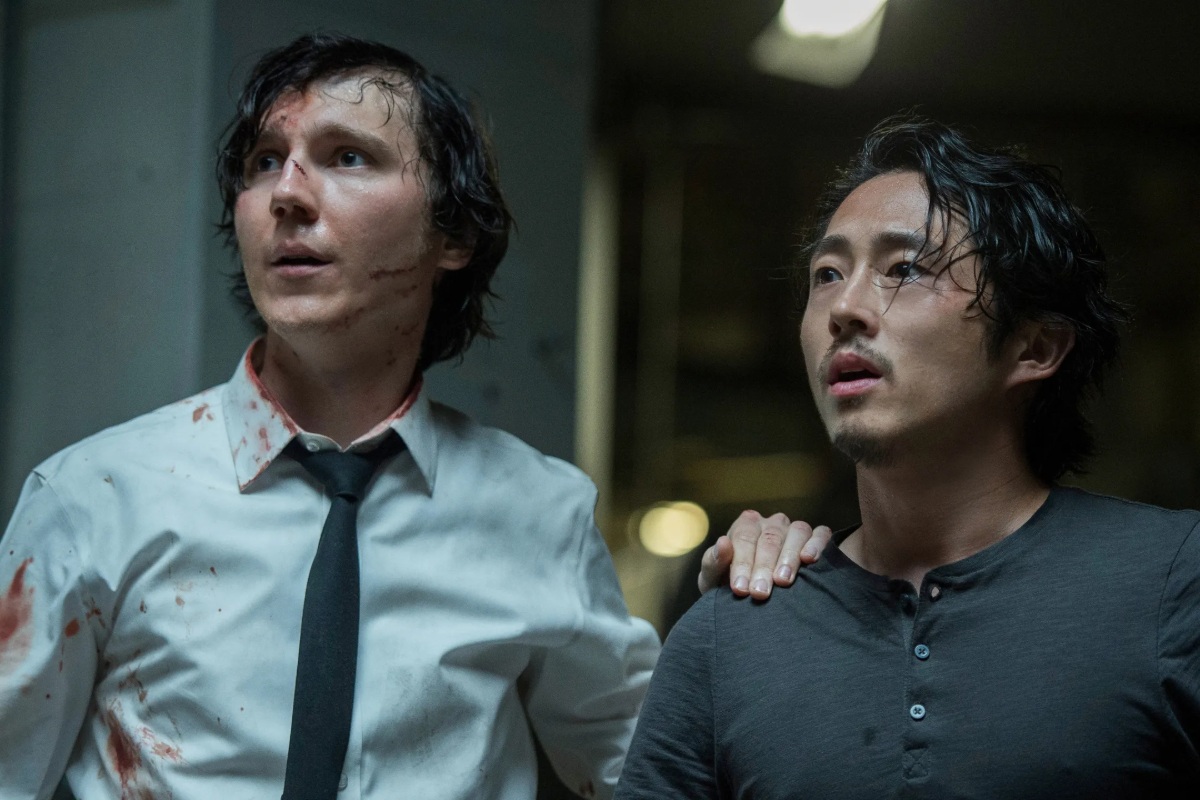
Released in 2017 after competing for the Palme d’Or and boycotted in South Korea by CJ CGV, Lotte Cinema and Megabox over its day-and-date rollout, Bong Joon-ho’s sci‑fi didn’t stay quiet. Now the film, featuring Tilda Swinton and Jake Gyllenhaal, is streaming on Netflix and praised for its satire of genetic engineering.
Before Parasite swept the awards circuit, Bong Joon-ho sent a genetically engineered super-pig charging into the culture wars and the conversation never quite calmed. Okja, with a cast led by Tilda Swinton, Jake Gyllenhaal and Ahn Seo-hyun, weds a tender girl-animal bond to a razor-edged look at the meat industry and activism. In 2017 it rattled South Korea’s biggest chains, was still the country’s fourth-largest hit, and even fought for the Palme d’Or. Critics like Mark Kermode praised its satire and heart, and its questions feel sharper than ever.
A masterpiece rediscovered: Bong Joon-ho’s Okja
Some films slip quietly into your queue, then take root. That is the case with Okja, the 2017 fable from Bong Joon-ho, a filmmaker whose precision cuts deep but never forgets the heart. It arrived during a shift in how we watch movies, sparked debate, then kept on breathing. Today, it is thriving on Netflix, finding new eyes and stirring old feelings.
At its core is a friendship between a girl, Mija, and a genetically engineered “super pig.” The premise sounds whimsical. The execution is anything but. Bong braids satire and chase-movie urgency with quiet tenderness, asking how far love can push back against a smiling corporate machine.
A stellar cast and a gripping narrative
The ensemble is a draw on its own. Tilda Swinton doubles as Mirando’s dueling public faces, while Jake Gyllenhaal, Paul Dano, Lily Collins, Steven Yeun, and Giancarlo Esposito sharpen the film’s moral corners. As Mija, Ahn Seo-hyun carries the movie with a clear-eyed resolve that gives every scene a pulse.
The script, co-written by Bong and Jon Ronson, keeps turning the dial between absurdity and empathy. One moment you are laughing at corporate spin, the next you are bracing for a rescue mission that feels painfully plausible. It is a tricky balance, handled with confidence and bite.
Release turbulence, lasting momentum
Okja premiered on June 28, 2017, launching directly on Netflix alongside a limited US theatrical run. The release model stirred controversy abroad, especially in South Korea, where major exhibitors refused to play it. For American viewers, the immediate at-home access was the point, and the film quickly became a conversation starter.
Earlier that spring, it screened at the Cannes Film Festival in competition, a rare moment for a Netflix original at the time. The Cannes spotlight amplified its arrival, framing the movie not as a curiosity but as a serious work with something urgent to say.
Themes that linger and why it matters now
The film stares straight at corporate gloss, supply chains, and the stories we tell ourselves about what we consume. It treats activism as messy and human, not a slogan. Scenes of industrial efficiency collide with intimate gestures, turning spectacle into a moral mirror.
Rewatching today sharpens its relevance. The humor still lands, the chases still thrum, and the ending still sits with you for days. If you missed it then, or wondered whether the hype had outpaced the movie, here is your nudge: press play, and let the questions follow.