
Clarke’s systolic reading was 200, which put him at risk of a heart attack or stroke.
He was sent home with a 24-hour blood pressure monitor, which revealed the next day that his blood pressure had not dropped below 200 overnight.
“I had to go to a pharmacy and get some medication and start taking it straight away, which I did.”
He was advised to rest and if he got a severe headache, to go to hospital.
“Halfway through the following day I was getting a pretty bad headache, so I went home, and it started getting worse just while driving.”
Clarke, who lives in Porirua and works in public service in Wellington, headed straight to a local medical centre, where he was assessed and sent to Wellington Hospital in an ambulance.
“They brought my blood pressure down through medication and rest.”
Since then, medication and regular doctor’s visits have kept his blood pressure under control, and he hasn’t had a headache since.
It was only after that happened that he discovered his mum, dad and brother are all on medication of some sort for high blood pressure.
Now, it’s something they talk about “pretty frequently” as a family.
“Maybe if I’d been thinking about what I was looking for, we’d have found this much earlier.”
Clarke says he also realised he hadn’t been making the most of his GP visits over the years – the headaches had always been something of an afterthought during appointments.
“Doctors would always ask me to describe the pain, and I’ve never been able to give a good description of what it was like, so it was always just ‘take some Panadol’.
“It was only [my optometrist] recognising it that got me to get it checked and find it, because otherwise I probably would have had a pretty nasty stroke.
“She said that she sees [issues like mine] not infrequently … particularly in men, but mine was particularly severe.”
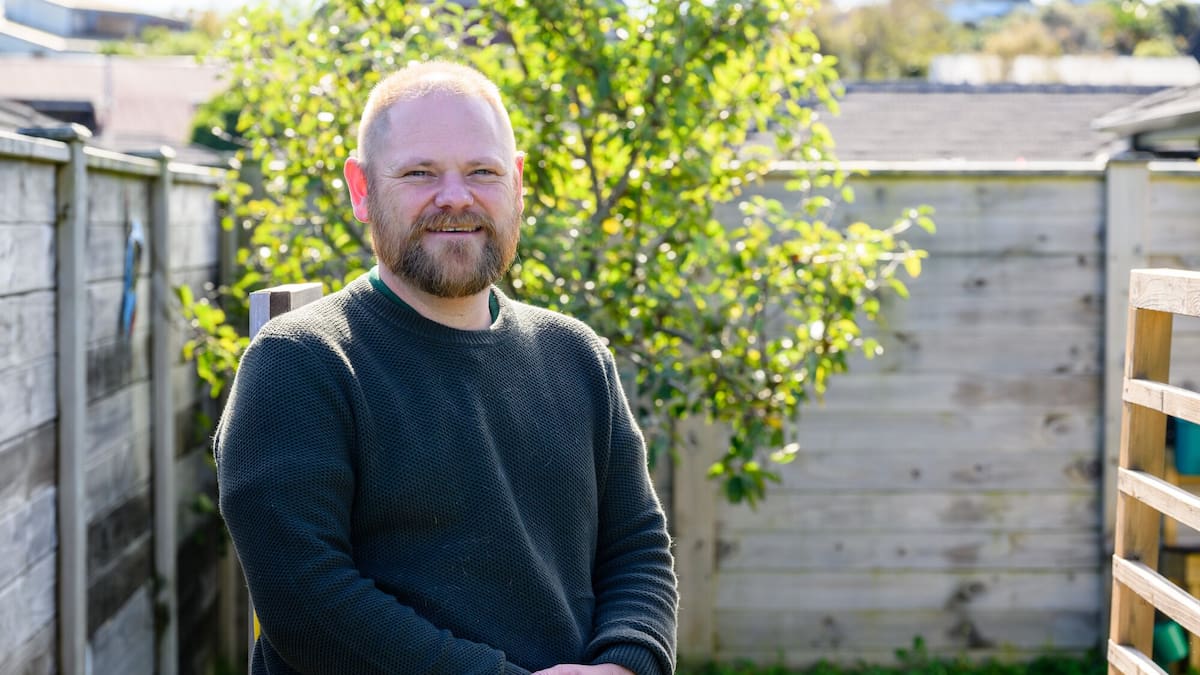
Stephen Clarke now manages his high blood pressure with medication and regular checks. Photo / Mark Coote
Now, Clarke is on daily medication for the foreseeable future. If he forgets to take it, his blood pressure begins to rise noticeably.
Lifestyle changes like diet and exercise help, but they’re not a “silver bullet”, he says, since in his case high blood pressure is genetic.
As a dad to two young boys, it’s something he’ll talk to them about as they get older in hopes they don’t have to go through what he did.
“It’s very likely to be something that they deal with.
“I found this when I was 35, 36, so if we can detect abnormalities much much earlier so they don’t have to go through years of headaches and all sorts of other things and then the heightened risk from it, then that would be ideal.”
The health risks of high blood pressure
High blood pressure, or hypertension, is the single biggest risk factor for heart disease and contributes to nearly half of all cardiovascular deaths in New Zealand.
According to the Heart Foundation, one in three Kiwis over 30 has high blood pressure, but only a quarter have it under control. They estimate 350,000 New Zealanders are living with undiagnosed high blood pressure.
“High blood pressure damages your arteries and can lead to heart attack and stroke,” says Heart Foundation medical director Dr Gerry Devlin.
“It rarely has symptoms, which is why so many people don’t realise they have it.”
Managing your blood pressure can reduce your risk and help protect your heart health.
“For every 10-point drop in your systolic blood pressure, you reduce your risk of a heart event by 20%,” Devlin says.
Exercise, healthy eating, getting good sleep and reducing salt, alcohol and stress can all improve blood pressure.
In May, the charity is running a blood pressure awareness campaign aimed at encouraging Kiwis to get their blood pressure checked, with pop-up events around the country.
Bethany Reitsma is a lifestyle writer who has been with the NZ Herald since 2019. She specialises in all things health and wellbeing and is passionate about telling Kiwis’ real-life stories.