
Why you can trust TechRadar
We spend hours testing every product or service we review, so you can be sure you’re buying the best. Find out more about how we test.
Huawei Band 11 Pro: One minute review
The Huawei Band 11 Pro is a bridge device, sitting right between a simple fitness tracker and a full-blown smartwatch. Released in early 2026, it extends the capabilities of the standard Huawei Band 11 by featuring a more sophisticated build and an upgraded set of sensors. In comparison to many of the best fitness trackers, the Band 11 Pro feels more premium than most cheap ones that I’ve worn, such as the Amazfit Bip 6, but I’m far from convinced about the ‘pro’ label.
Despite its core focus being a simple tracker for exercise and health, the watch also includes basic smartwatch features such as notification handling, quick-reply texts, and even a remote camera control. These are handy features that help people feel connected to the world around them, but they’re far from deeply integrated due to the lack of a QWERTY keyboard for the text replies, along with non-existent third-party app integration.
Latest Videos From

In terms of health tracking, Huawei looks to push the boundaries at this price point with Pulse Wave Arrhythmia Analysis for detecting irregular heart rhythms and Sleep Breathing Awareness to monitor for potential issues like sleep apnea. I wouldn’t want to rely on these for perfect accuracy, but they’re helpful indicators of potential health problems.
Within the broader market of the best smartwatches, the Huawei Band 11 Pro sits in the premium budget sweet spot, directly challenging rivals like the Fitbit Charge 6. While it is considerably more affordable than flagship smartwatches like the Apple Watch or Huawei’s own Watch GT series, it provides nearly all the same core health and tracking features, even if they’re not quite as accurate.

(Image credit: Future / Paul Hatton)Amazfit Balance 2 (Black) at Amazon for $264.99Huawei Band 11 Pro: SpecificationsSwipe to scroll horizontally
Component
Huawei Band 11 Pro
Price
$97 USD / £69.99 UK / $139 AUS
Dimensions
43.5 x 28.2 x 8.99mm
Weight
18 g (without strap)
Case/bezel
Aluminium alloy
Display
1.62-inch AMOLED Screen, 286 × 482 pixels, PPI 347
GPS
GNSS
Battery life
Max 14 days, Typical 8 days, AOD 3 days
Connection
Bluetooth 6.0
Water resistance
5 ATM
(Image credit: Future / Paul Hatton)Huawei Band 11 Pro: Price and availability$97 USD / £69.99 UK / $139 AUSVery reasonably priced considering the onboard GPS featureStiff competition from Fitbit, Garmin, and Amazfit
At this price, the Huawei Band 11 Pro is an absolute steal. Getting onboard GPS, an AMOLED display, and an aluminum case is almost unheard of at this price. Unfortunately, it’s not available in the US.
Comparable options include the Amazfit Bip 6 ($79.99 US / £79.90 UK) and the Fitbit Charge 6 ($159.99 / £139.99). If you’d like a cheaper alternative and are happy “piggybacking” onto your phone’s GPS, then you could go for the Xiaomi Smart Band 10 ($73.99 / £39.99).
The Band 11 Pro ships with a fluoroelastomer strap in either Black or Isle Blue finishes. If you’d prefer a braided nylon strap, you can have this in Field Green. Whichever strap you choose, the spec of the watch remains the same.
(Image credit: Future / Paul Hatton)Huawei Band 11 Pro: DesignLarge and bright AMOLED displayAluminum alloy case, which is a step up from polymer alternatives5 ATM water resistance rating
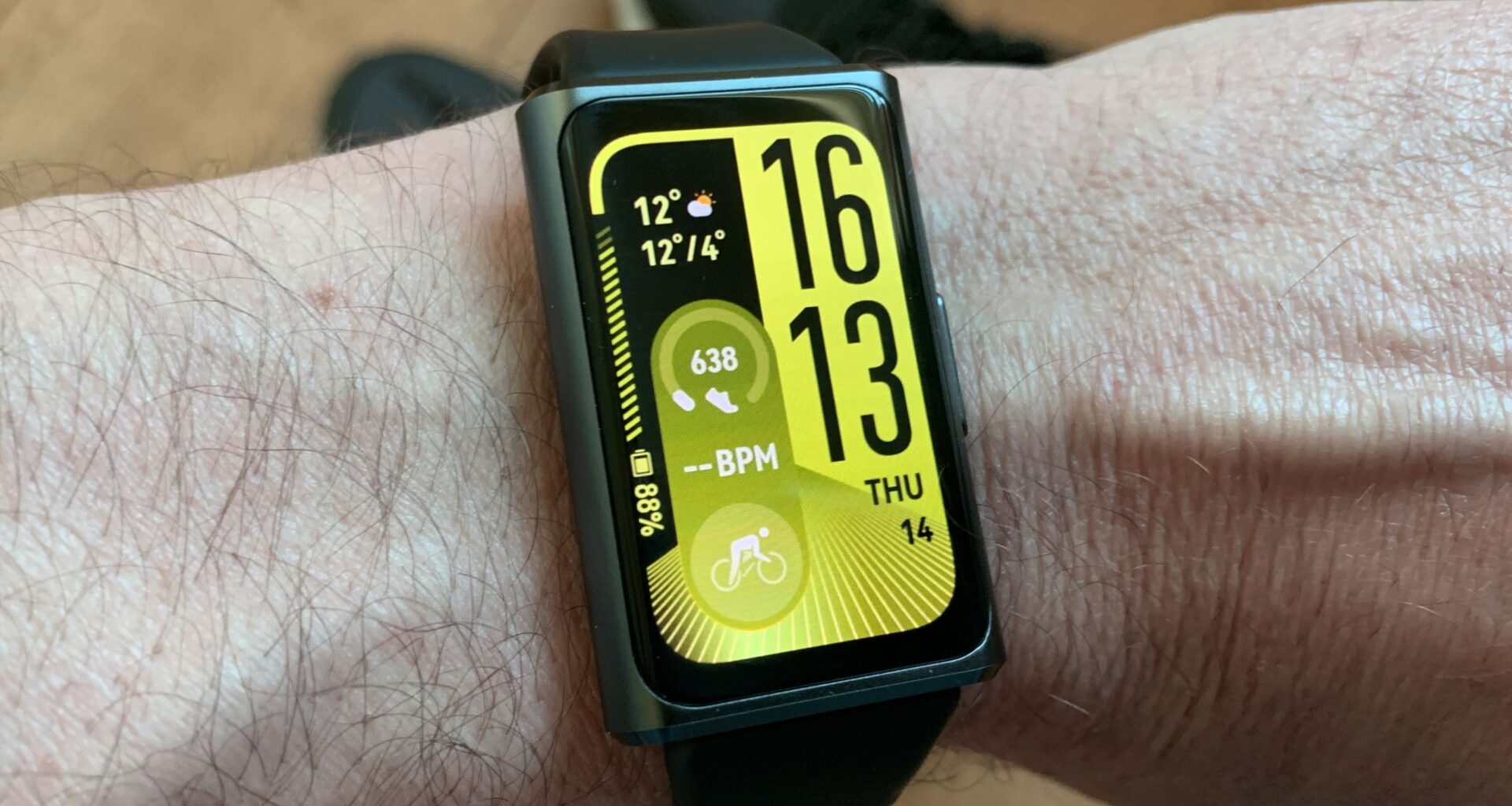
The Huawei Band 11 Pro is a basic band-style design but with a more premium ‘pro’ aesthetic than most cheaper trackers. This is most noticeable in the upgraded 1.62-inch AMOLED touchscreen display, which is nearly 30% larger than its predecessor.
As impressive as the size is, it’s actually the brightness of it which struck me first. Maxing out at 2,000 nits, it falls short of the much more expensive Apple Watch Ultra 3, but at this price the brightness is excellent; it delivered clear graphics, whether inside in a dark room or outside in full sun. The 347 PPI resolution isn’t too shabby either, with text appearing sharp and icons vibrant.
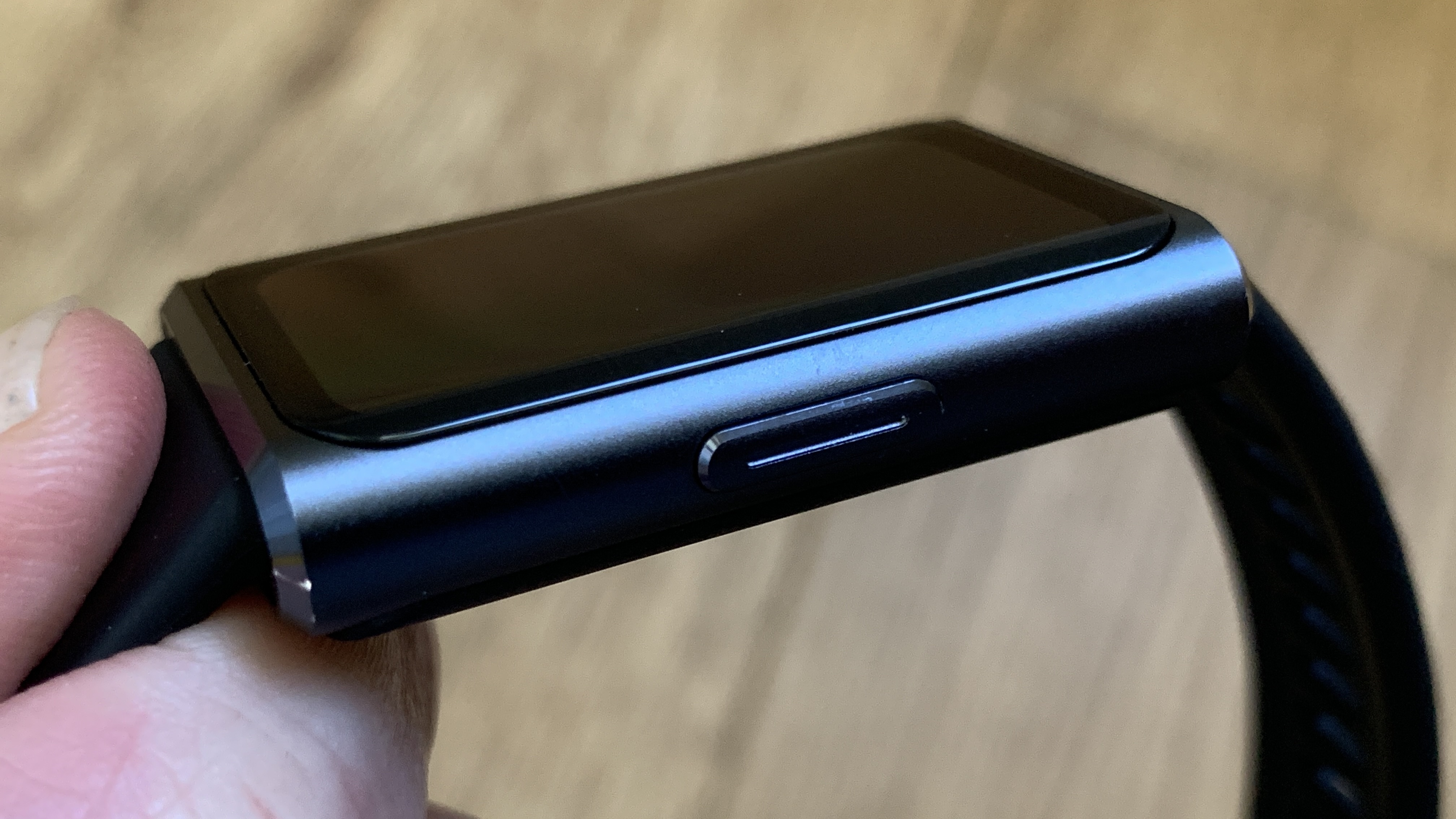
From a build quality perspective, Huawei has opted for a CNC-cut aluminum alloy case which looks and feels markedly more premium than the polymer frames typically found on cheap fitness trackers. This metallic finish is complemented by a slim profile, measuring just 8.99 mm in thickness, allowing the device to sit flush against the wrist. In short, it looks the part, whether you’re down the gym, out on a run, or at work.
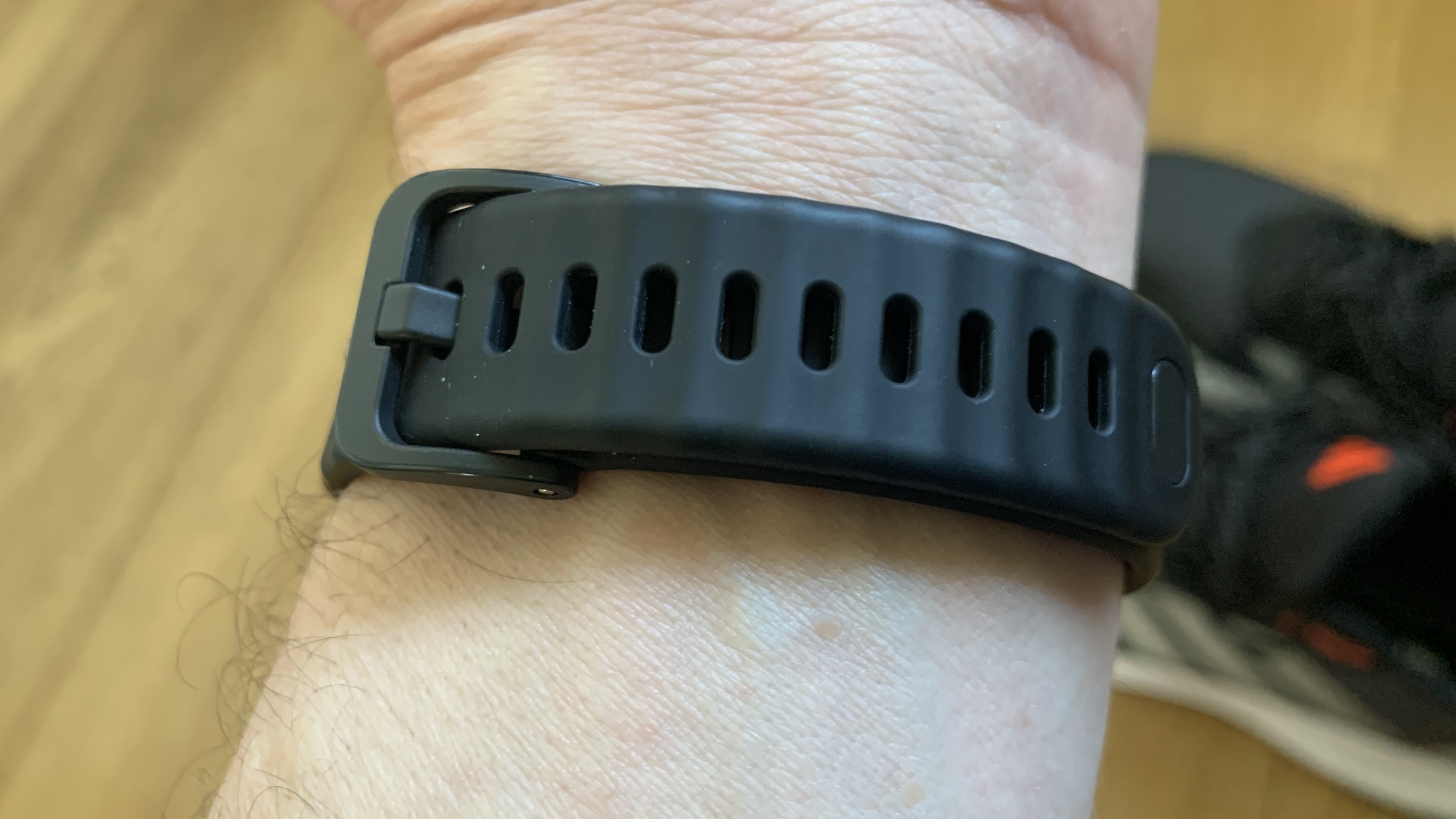
I tested the version with the breathable fluoroelastomer strap and was surprised how comfortable it was. It’s also easily cleaned when exposed to dirt or sweat. All-day wearability, including at night, is possible due to the 25g weight (with strap), as it’s comfortable and you hardly notice it’s there.
To ensure durability, the device carries a 5 ATM water resistance rating, meaning it’s waterproof and able to withstand showering, swimming and even water sports.
(Image credit: Future / Paul Hatton)Huawei Band 11 Pro: FeaturesOnboard GPS and sleep insightsPulse wave arrhythmia analysisSleep insights and emotional wellbeing
The ‘Pro’ label is on account of a number of feature decisions that Huawei has made to elevate the user experience beyond other entry-level alternatives. This begins with built-in GPS (GNSS), which means you can leave your phone at home when going out for a run or cycle and still track your route. It can also detect when you have stopped at a traffic light or for a break and will automatically pause the workout tracking, although like other Huawei watches, you can toggle this feature on or off.
Overnight, it tracks your average sleep HRV, along with heart rate and SpO2, and lets you know when something’s outside your usual range. It also includes Sleep Breathing Awareness, which monitors breathing disruptions during sleep for insights into your nighttime breathing. A basic presentation of your sleep data is provided on the watch, but a more in-depth set of graphs, reports, and advice are viewable in the Huawei Health app.
Next up is ‘Pulse Wave Arrhythmia Analysis’, which identifies atrial fibrillation (AFib). It utilizes the same optical sensor technology that measures your heart rate, but applies a much higher level of data processing. The best Apple Watches also have an AFib feature, useful for determining whether your heart rate is irregular and whether you need to see a medical professional. If this is an important measurement to you, then I would go with this Huawei rather than a cheaper model.
For users who want help with monitoring their mental health, there’s the Emotional Wellbeing Assistant. This provides real-time insights through its comprehensive mood and stress management system. Rather than just showing a “stress score”, it uses physiological data to categorize your mood into visual states. These act as quick identifiers of what is going on inside your body.
(Image credit: Future / Paul Hatton)Huawei Band 11 Pro: PerformanceA very easy and enjoyable watch to useSub-par GPS accuracy not surprising at this price pointExcellent battery performance
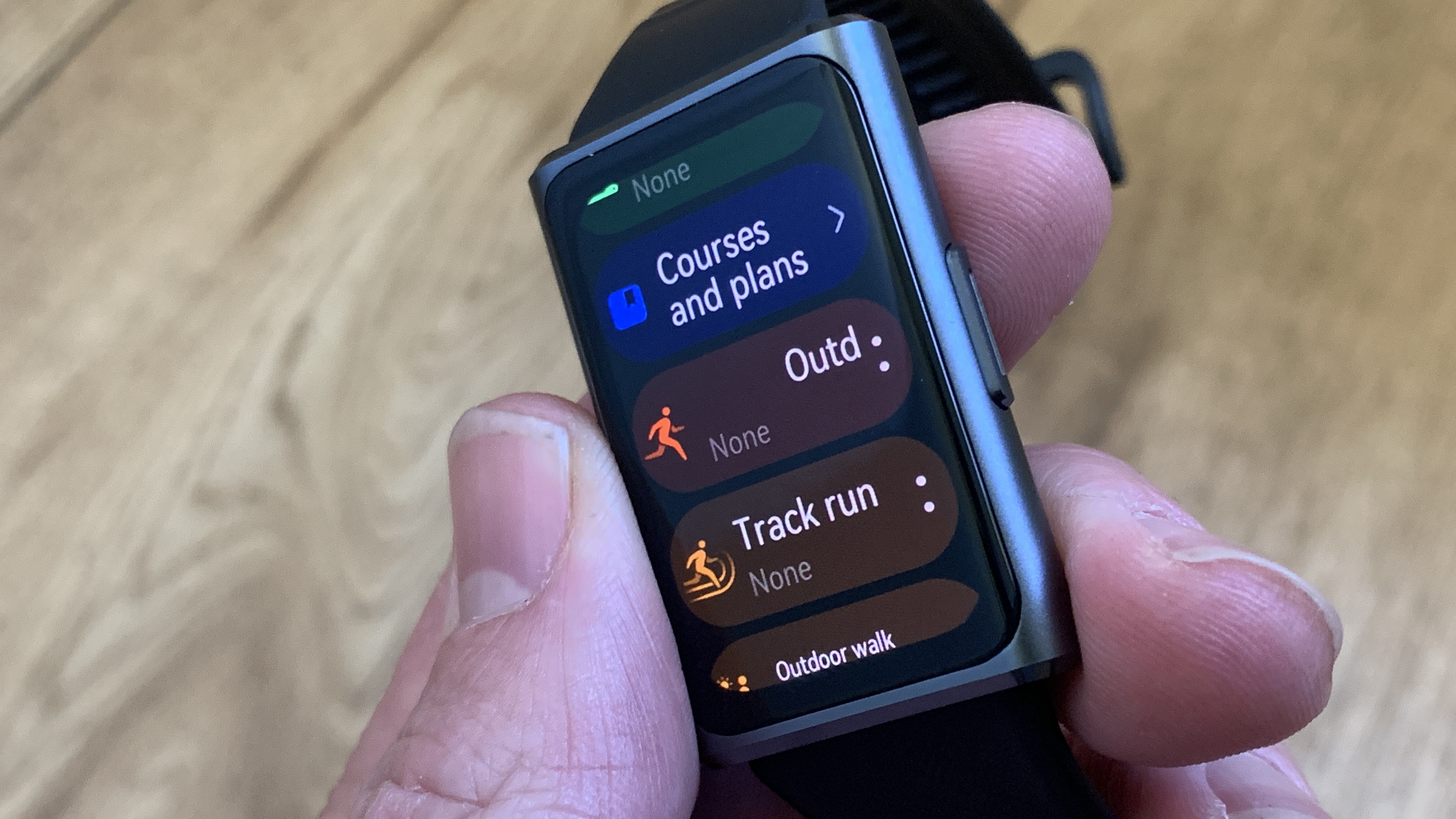
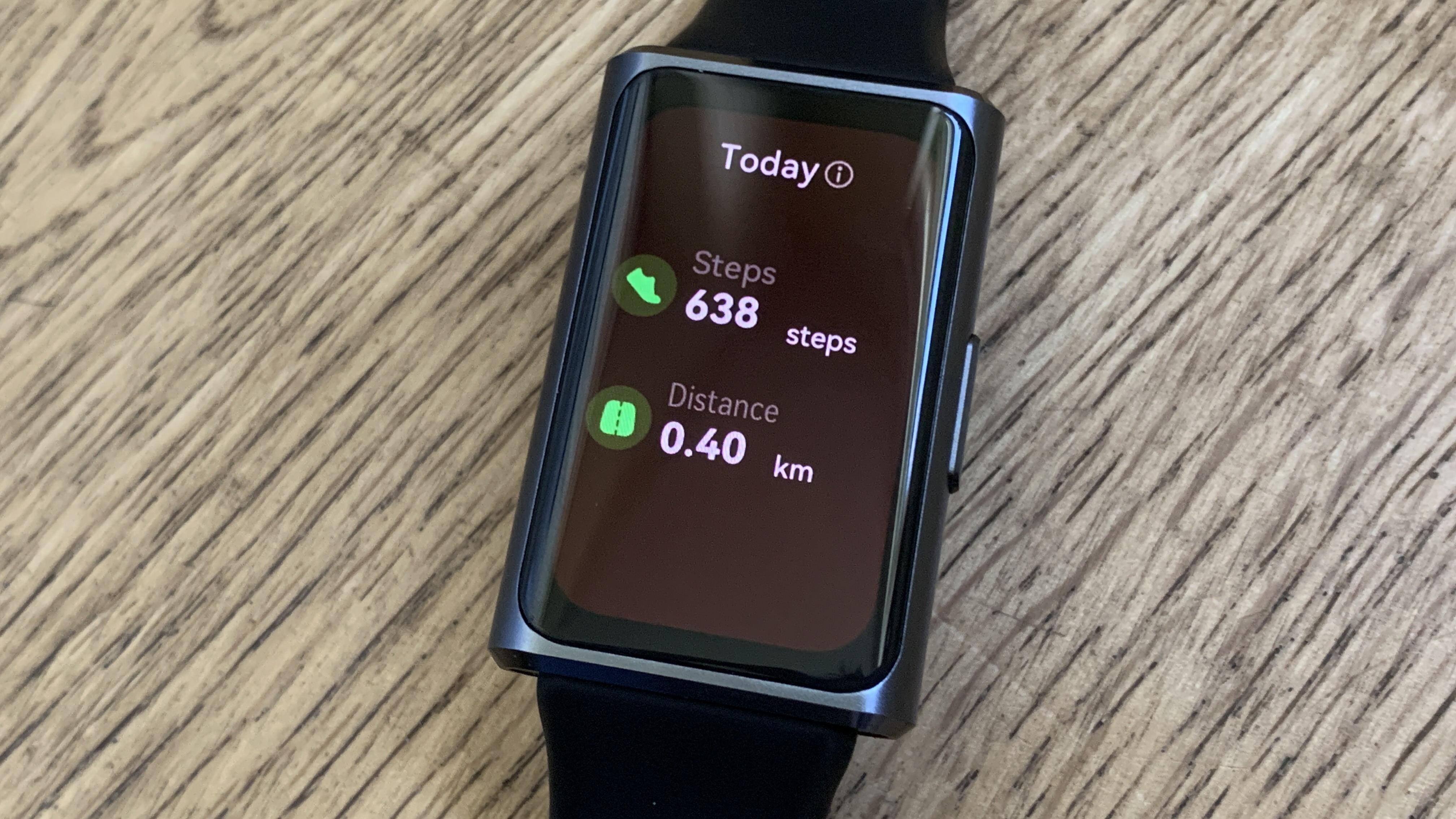
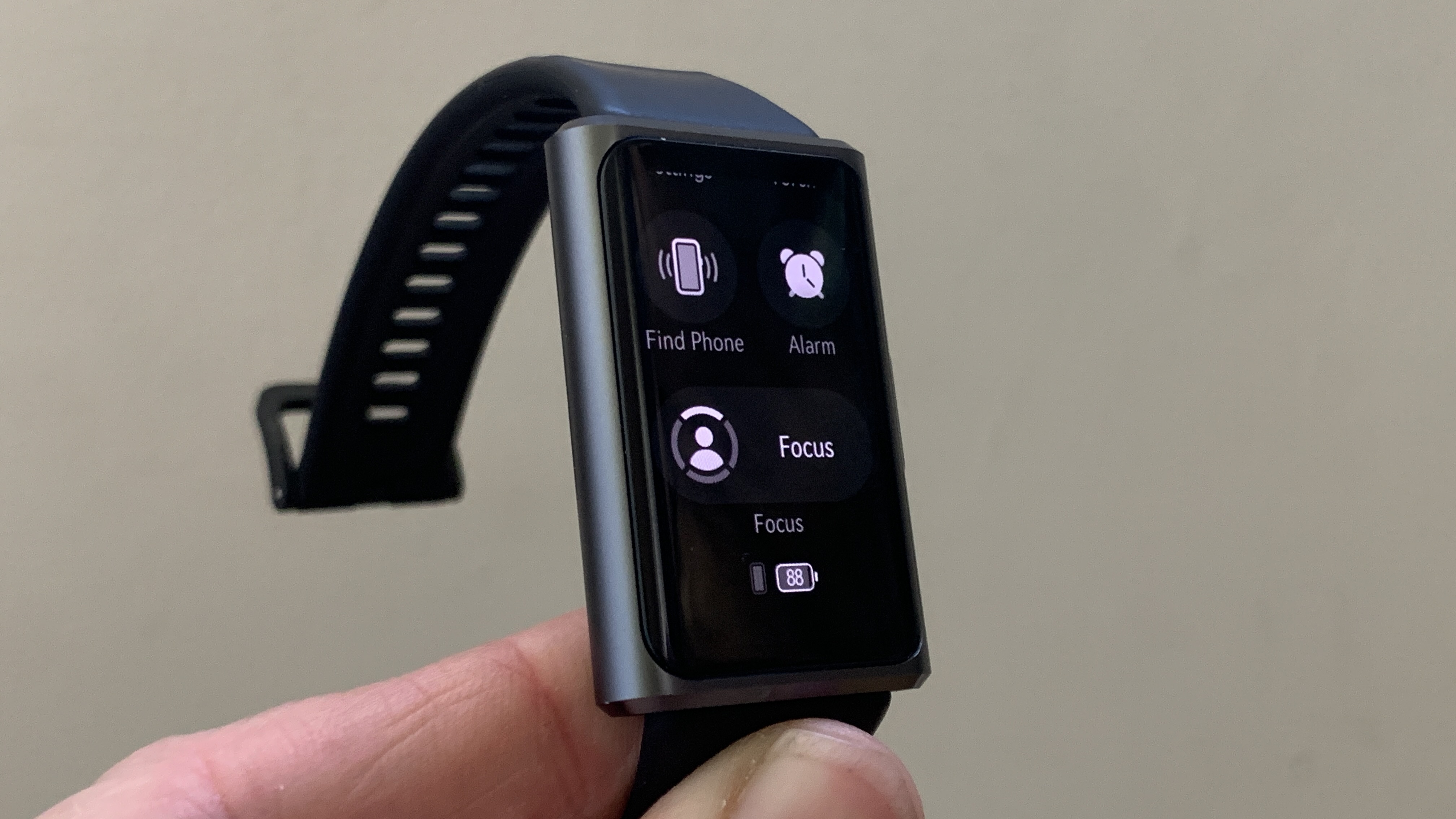
As is the case with all Huawei watches, the user experience is a positive one. The Huawei OS interface is clearly laid out with easy-to-understand icons. Moving between features and settings is quick and responsive with little room for confusion about how to navigate around the menus. You can also choose between a list or grid view depending on your preference. The lack of a microphone means there are no voice commands, but that would be a lot to ask at this price.
There are over 100 workouts to choose from with the entire set pre-loaded onto the watch. The order of these, and whether they appear in the quick list, is easily customized. The watch can auto-detect workouts like running, which I made use of a few times when I had forgotten to set things up prior to exercising. As soon as you choose your workout, the watch searches for a GPS signal and alerts you when it’s found. You can begin the workout prior to a GPS lock, but accuracy will be compromised.
I was impressed by how quickly and easily the Band 11 Pro was able to find a GPS signal, even when I was indoors. In terms of GPS accuracy, I ran side-by-side comparisons with the Huawei Watch Ultimate 2, which performed as well as our gold standard, the Apple Watch Ultra series. Unfortunately the Band 11 Pro was left wanting with up to a 10% discrepancy on a range of tracked activities, including runs, walks, and bike rides.
As for health tracking, heart rate and SpO2 were in close range compared to the Watch Ultimate 2. Both watches also reported no abnormalities in relation to the Pulse Wave Arrhythmia Analysis, which was not only great to see from an accuracy point of view but also from a personal health perspective!
When I wore the watch at night, it successfully picked up most of my waking, but not all instances. No surprises there given the low cost of the device and limited complexity of the sensors. Despite its claims to be able to track REM, deep, and light sleep; HRV (Heart Rate Variability), and more, I would take its reports with a pinch of salt. It can give indications and provide general trends, but this isn’t medical quality data. The Oura Ring 4, one of the best smart rings, is a wearable sleep-tracking gold standard (or as close as it gets) and is considerably more expensive than this slender band.
The Band 11 Pro excels when it comes to battery performance and is in fact one of its strongest selling points. Despite having a significantly brighter and larger screen than its predecessor, it manages to achieve a maximum of two weeks’ use when Always-On Display (AOD) is disabled and GPS tracking is kept to a minimum, worthy of one of the best Garmin watches.
When I turned on continuous heart rate monitoring, performed sleep tracking, and carried out a few workouts per week, the battery stayed alive nearly a week, which is reasonable given that you’re not going to be using this type of tracker for long-distance off-grid excursions. I found recharging to be very quick, with 0-100% achieved in a little over an hour.
(Image credit: Future / Paul Hatton)Huawei Band 11 Pro: ScorecardSwipe to scroll horizontally
Category
Comment
Score
Value
A great price for a budget smartwatch with some advanced features.
4.5/5
Design
A simple design with a metal case and AMOLED display sets it apart.
4/5
Features
Onboard GPS and excellent sleep tracking help elevate this smartwatch beyond super-budget alternatives.
4/5
Performance
Intuitive user experience and excellent battery life but lacks GPS accuracy.
4/5
Huawei Band 11 Pro: Should I buy?Buy it if…Don’t buy it if…Also considerHow I tested
I wore the Huawei Band 11 Pro almost non-stop for three weeks. I used it while running, cycling, walking, showering, working out, sleeping, playing with my children, texting, photographing, and daily life. I tested its GPS against the reliable Huawei Watch Ultimate and compared its specs to contemporaries in its price category.
First reviewed: May 2026
Amazfit Balance 2: Price Comparison