Helping first-time investors get started and seasoned investors grow
People in a financial position to start investing for the first time are often faced with so many options, it can be overwhelming knowing where to start.
This is why the first thing to understand, ASB’s Chief Investment Officer Frank Jasper says, is that investing is not like most things in life.
“People want to make the right choices and grow their money, but they can’t just focus on how to be the best and win the game,” he says. “Financial markets are tricky things – in the long term they’re somewhat predictable, but in the short term they’re really not predictable at all.
“So, people just have to manage their money with that in mind. The best strategy is often to avoid taking excessive risks and the chance of big losses, instead to focus on being mostly right and to compound wealth consistently over time.”
Investing has never been more accessible than it is right now. While Kiwis can approach investing on a DIY basis, using a fund manager is also an option. As a fund manager itself – and not just a bank – Jasper says ASB is uniquely placed to help New Zealanders understand and navigate the different investment options available to them.
He says once people let go of the idea that they can pick the one ‘perfect’ investment, instead using a well diversified approach, the next step is to think about the big-picture questions; what is their money for, and when is it needed?
If it’s to grow retirement savings, there might be decades before wanting to tap into it, giving time to ride out some big ups and downs. But if people are planning to buy a house next year for example, they need to think short term to protect their deposit.
Working with an adviser can help, says Jasper, as they will help map out objectives and design a strategy that connects the dots: “It is important to use time with an adviser to upskill and grow your financial literacy, and don’t be afraid to ask plenty of questions.”
Not everybody wants to work with an adviser though, and Jasper says people can still create a solid strategy using the DIY approach in managing their money, hand it over to a fund manager or mix and match.
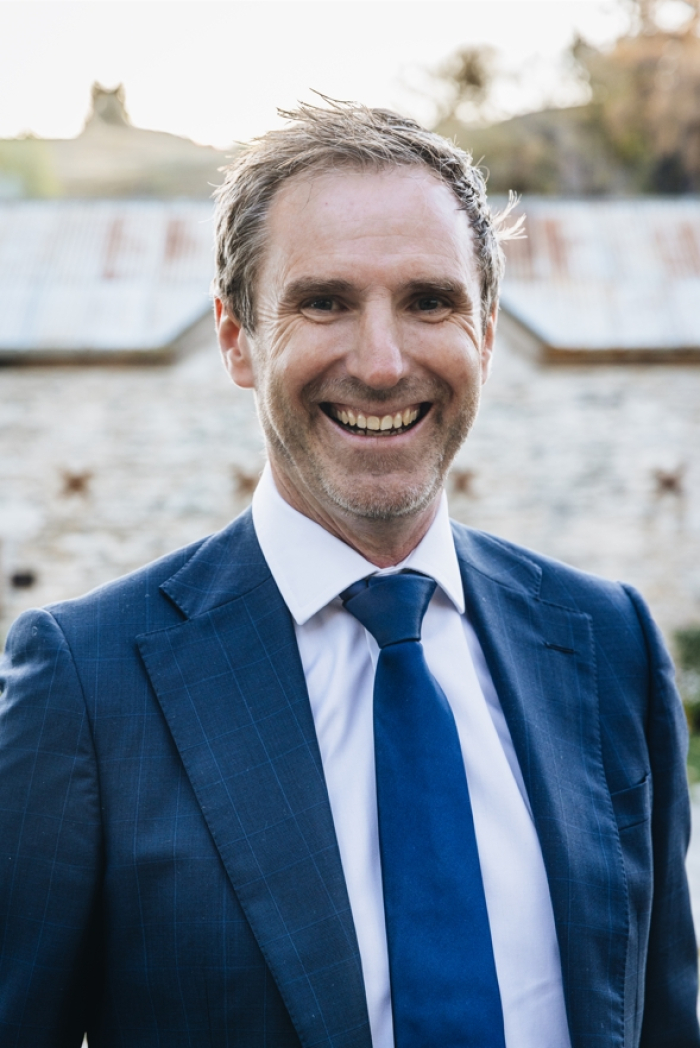 Frank Jasper, ASB Chief Investment Officer
He says there are three basic layers of self-directed investment options: “Each layer adds more opportunity to beat the market, but also more risk, and more chance to get it wrong.”
Level 1: Hands-off investing where your money is in a fund that is managed by a fund manager. Fund managers are businesses that manage money in large pools known as funds. Generally, each fund is committed to a specific ‘asset allocation’, which means it owns set percentages of different types of things: shares, property, cash, and bonds. The risk level sets the allocation. Your KiwiSaver investment probably already works this way: you’ve picked a risk level and a fund manager, and they take care of the rest.Level 2: Trading on a share-trading platform like, ASB Securities, focusing on globally diversified exchange traded funds (ETFs). “ETFs are really good for building well diversified portfolios while paying reasonable fees, and you can spice it up with a modest allocation to a themed index fund like AI or space. But do you have the discipline to stick to your strategy when the markets are down?”Level 3: Trading individual shares on a share-trading platform. This can lead to market-beating returns if you pick the right shares, but that’s something even the smartest people struggle to do. A portfolio made up entirely of individual shares also tends to lack diversification; “when things go wrong, they tend to go horribly wrong”. Here expertise, smart diversification and a real focus on learning to become a better investor are important.
ASB offers customers these opportunities through its current investment options and via ASB Securities – its share trading platform, soon to be relaunched ASB Share Central with a modernised customer experience.
Jasper explains the difference between active and passive investing – a concept most have probably heard of.
“An actively managed fund is one where the fund manager is actively trying to find the best investments in the market so your returns beat the average. This requires a lot of research and expertise, so active funds tend to have higher fees.
“Finding good active managers isn’t easy, but if you can, those people can enhance returns for sure,” says Jasper.
A passive fund essentially uses index funds to buy across the entire market. It tracks the market, so it shouldn’t over- or under-perform. Passive funds typically have lower fees.
“At ASB, we’re aiming for diversified investment approaches and styles, although our funds are primarily passive. We have a relationship with global investing giant BlackRock so we can access their world-class international talent. We get to benefit from their specialists’ views on global megatrends and geopolitical shifts.”
Jasper says people can compare managed funds and KiwiSaver funds using the independent Sorted Fund Finder, which includes data on fees and returns, and choose the right option for them.
Sticking to managed funds is safe, tried, and true. But Jasper adds that it can be fun to put a tiny bit of cash – an amount you’re happy to lose – into individual shares.
“I think there’s nothing quite like the learning you get from doing a little bit yourself, as well as using a fund manager. You can learn more from making mistakes than by reading all the books and listening to all the smart people – and still have plenty of time to recover.”
For more information visit asb.co.nz/invest