
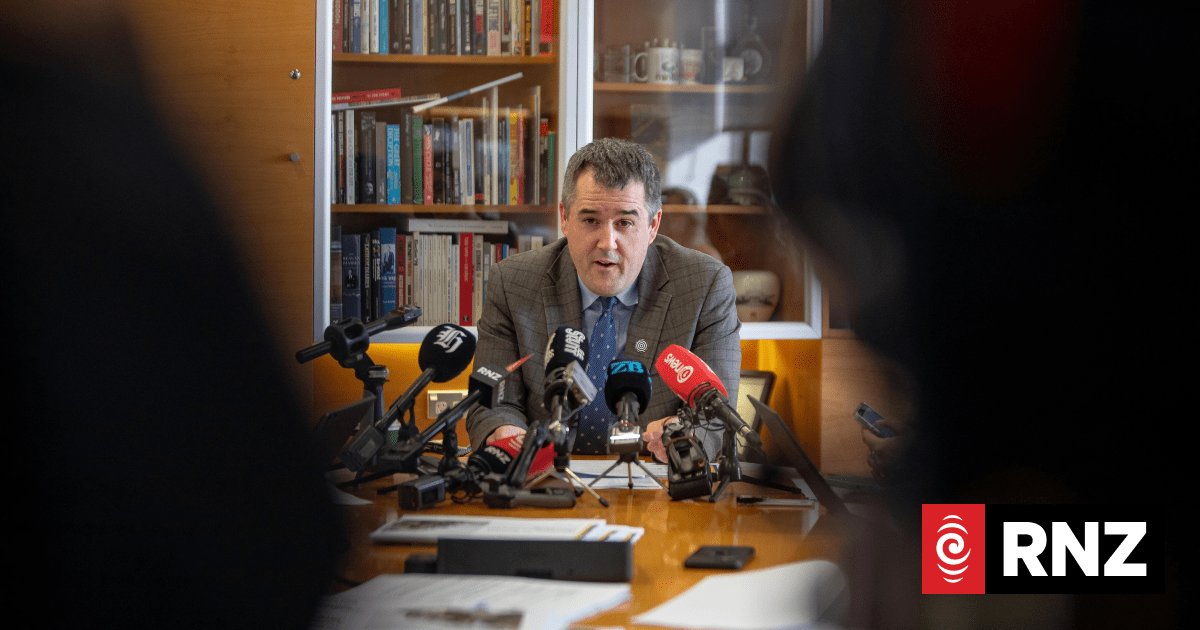
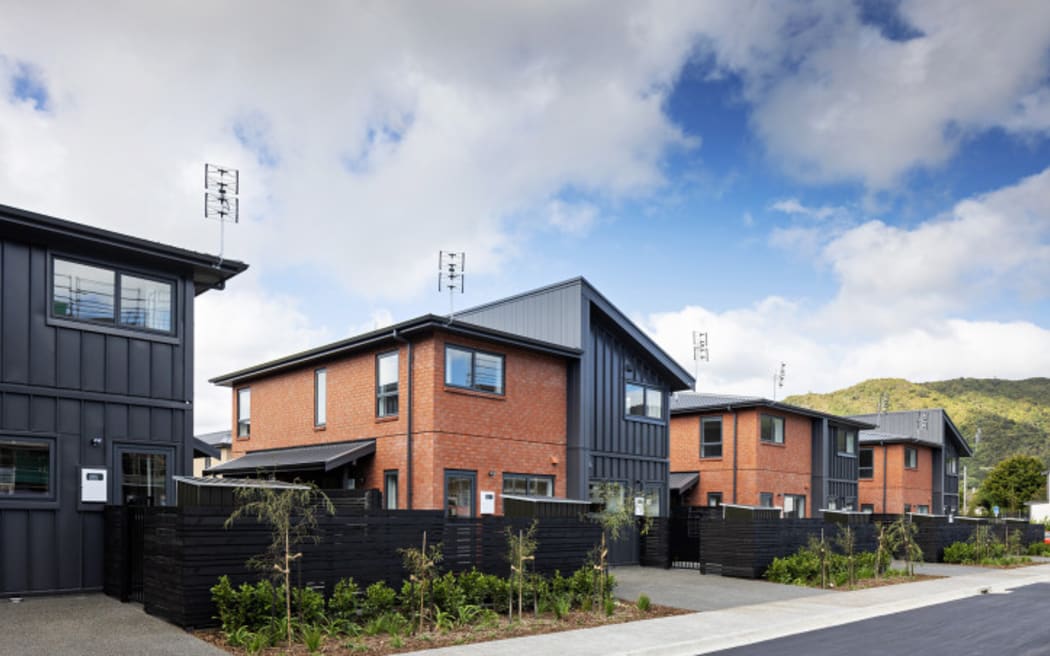
The government is hiking the amount 84,000 social housing tenants have to pay, leaving them about $30 worse off each week.
Photo: Kāinga Ora
Social housing and support services are bewildered and blindsided by changes they say will make life worse for thousands of the country’s poorest tenants.
The government is increasing the accommodation supplement for 111,000 low income renters by an average of $15.
That will be paid for by hiking the amount 84,000 social housing tenants have to pay – from 25 percent of their income to 30 percent – leaving them about $30 worse off each week.
Ministers said the current system was unfair because some private renters had a worse deal than social housing tenants.
Finance Minister Nicola Willis went as far as saying social housing tenants had “won the lotto” – but later expressed regret for using that phrase, acknowledging many social housing tenants were in “very difficult circumstances”.

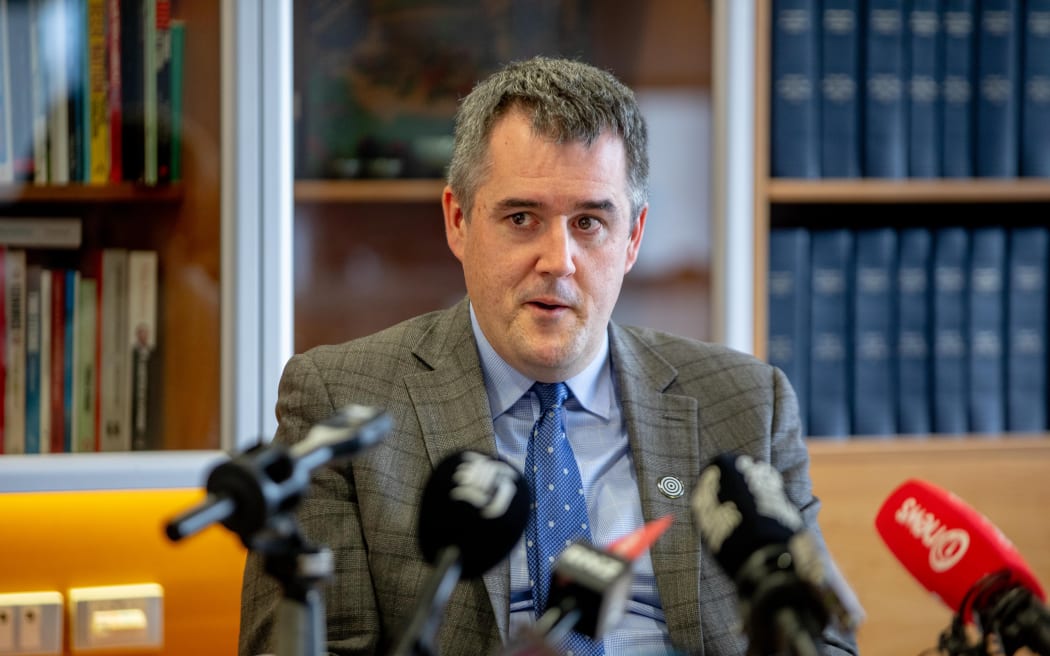
Finance Minister Nicola Willis.
Photo: RNZ / Marika Khabazi
But Palmerston North beneficiary Kathryn Dixon said she felt “validated” by the minister’s initial statement.
“The housing is not reaching those who most need it, in many cases, and instead it’s going to those who, frankly, could be looking after themselves,” she said.
Dixon struggled to pay for her private rental and had moved around a lot with her disabled son seeking more affordable housing, having been denied entry to the social housing wait list multiple times.
“If I was offered a Kāinga Ora house, I’d feel like I’d won the lotto,” she said – adding it would provide peace of mind if she was not at the mercy of the private market.
She described Kāinga Ora residents on her street as having more flexibility or quality of life, that she would “never be able to afford”.
Heather Lange, a financial mentor and manager of Family Finances in Upper Hutt, said there was no question there was a disparity in the current system.
“But I’m bewildered that the answer is to take some of the affordability off people who are currently in social housing,” she said.
“I can’t think of another scenario where we say … here’s a group who are really doing it tough, so let’s make the ‘kind of okay’ people suffer more.”
For some of her clients, the extra rent money would be raided from the grocery budget, because it was the only cost with any flexibility.
Changes risk increasing homelessness – advocate
Housing advocates argued the system’s true problem was a lack of affordable homes, and the government’s changes were not solving that.
Paul Gilberd is the head of Community Housing Aotearoa which represents more than 100 social housing organisations, whose tenants would be affected by the changes.
He said the news came as a “complete surprise” and had hoped the sector would have been consulted – because he had concerns, particularly about tightening access to social housing.
“There’s a real risk of driving up the number of people experiencing homelessness, because what we’re really doing here is we’re deciding on who gets access and who doesn’t get access,” he said.
But Housing Minister Chris Bishop said it was a matter of ensuring those most in need had a home.
Housing Minister Chris Bishop.
Photo: RNZ / Mark Papalii
Gilberd saw some good in that, including prioritising housing people with disabilities, those with mental health and addiction problems, and former prisoners.
However, he questioned rent hikes in a cost of living crisis, saying frontline staff would be having “tough conversations” with tenants.
Christchurch Methodist Mission executive director Jill Hawkey was pleased ministers acknowledged there were people who desperately need social housing that could not access it.
Her biggest worry was potential measures like fixed term tenancies to ensure people did not stay longer in social housing than they needed to.
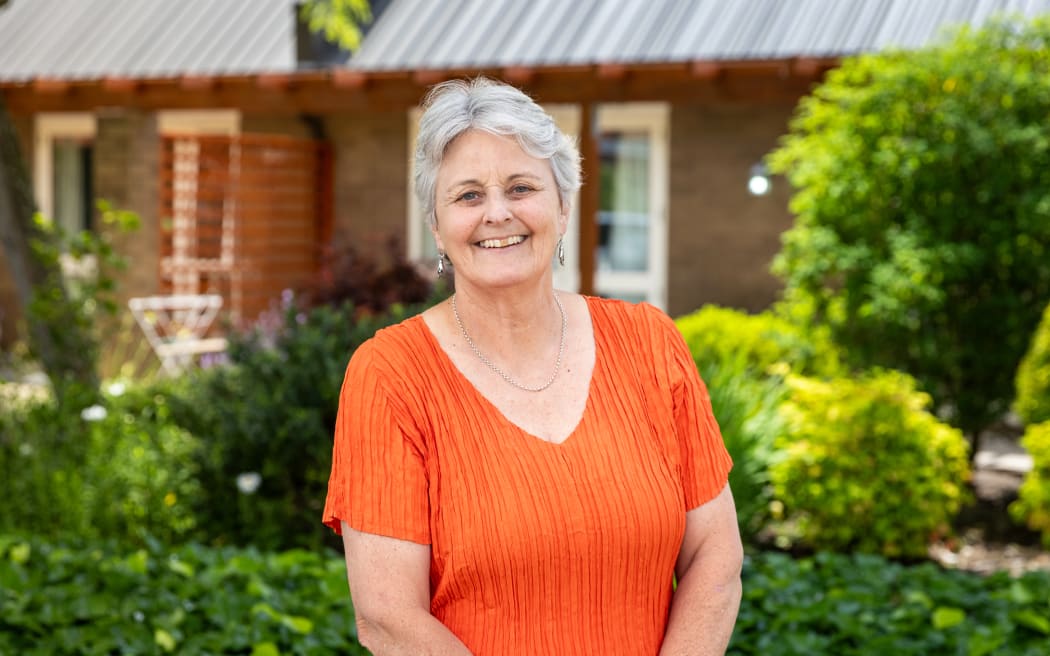
Christchurch Methodist Mission executive director Jill Hawkey.
Photo: RNZ / Nate McKinnon
Housing Minister Chris Bishop said people could become “stuck”.
But that was not how Hawkey viewed a group of fifteen whānau, some formerly homeless, who moved in to the Mission’s housing five years ago.
“They’re thriving, they’ve got housing stability, their kids are in school, they know the community … do we really want to be saying to these families, well, actually, now you’ve got to be independent and you’ve got to leave this community? And sorry, kids, you’ve got to change schools and go somewhere else.”
Hawkey was also concerned an increase to the private accommodation supplement would be swallowed up by landlords.
“The danger in that is, are landlords then going to put up the rent? Because I’ve seen that in the past, that the landlords know that people are getting the accommodation supplement, and so increased [the rent].”
Housing Minister Chris Bishop said there was no evidence that would happen.
Encouraged but not convinced – Wellington City Missioner
Wellington City Missioner Murray Edridge agreed with the government’s “philosophy” of getting the right people into social housing, for the right length of time, and making the right level of contribution from their income streams.
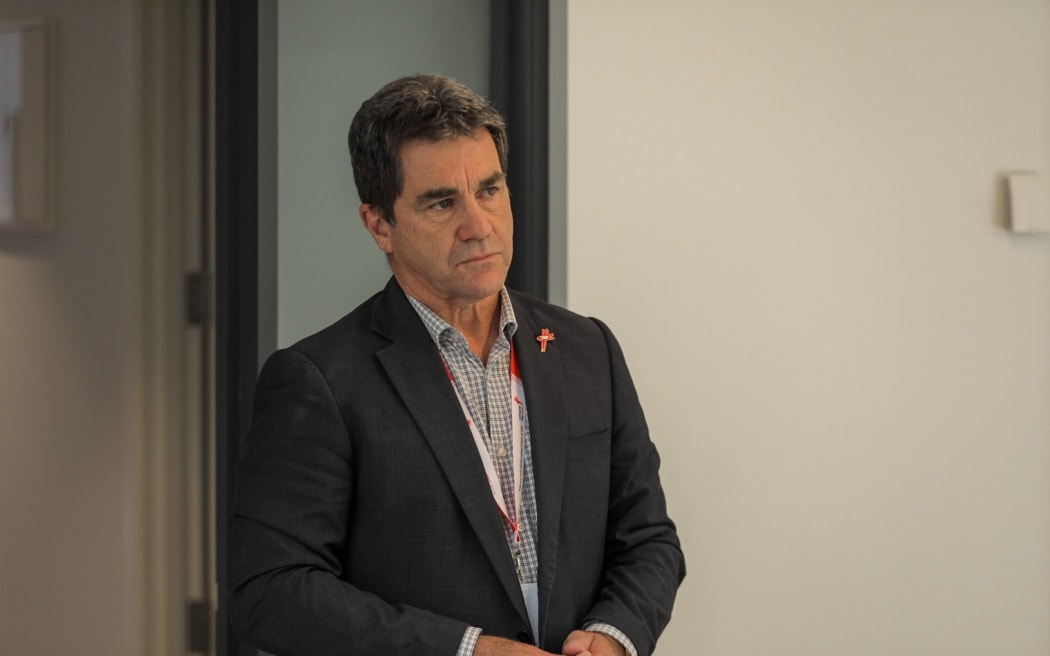
Wellington City Missioner Murray Edridge.
Photo: RNZ / Reece Baker
“I was encouraged to hear the minister talk about the specific needs of individuals, particularly those with mental health and addiction challenges, and ensuring that they are supported in the social housing system,” he said.
“I’m encouraged by the narrative, I have yet to be convinced about the implementation.”
Edridge acknowledged some social housing tenants may be able to afford private rental rates, but that was not his experience.
“The people we’re dealing with at the Wellington City Mission, who [are] in social and transitional housing and other forms, are really struggling to survive,” he said.
“There will be some people … whose already difficult lives are going to be way harder as a consequence of this change.”
Sign up for Ngā Pitopito Kōrero, a daily newsletter curated by our editors and delivered straight to your inbox every weekday.