
Posted inTrade
Large businesses already understand the severity of disruptions and are diversifying suppliers, regionalising production, and shortening supply chains. Governments are quietly doing the same.
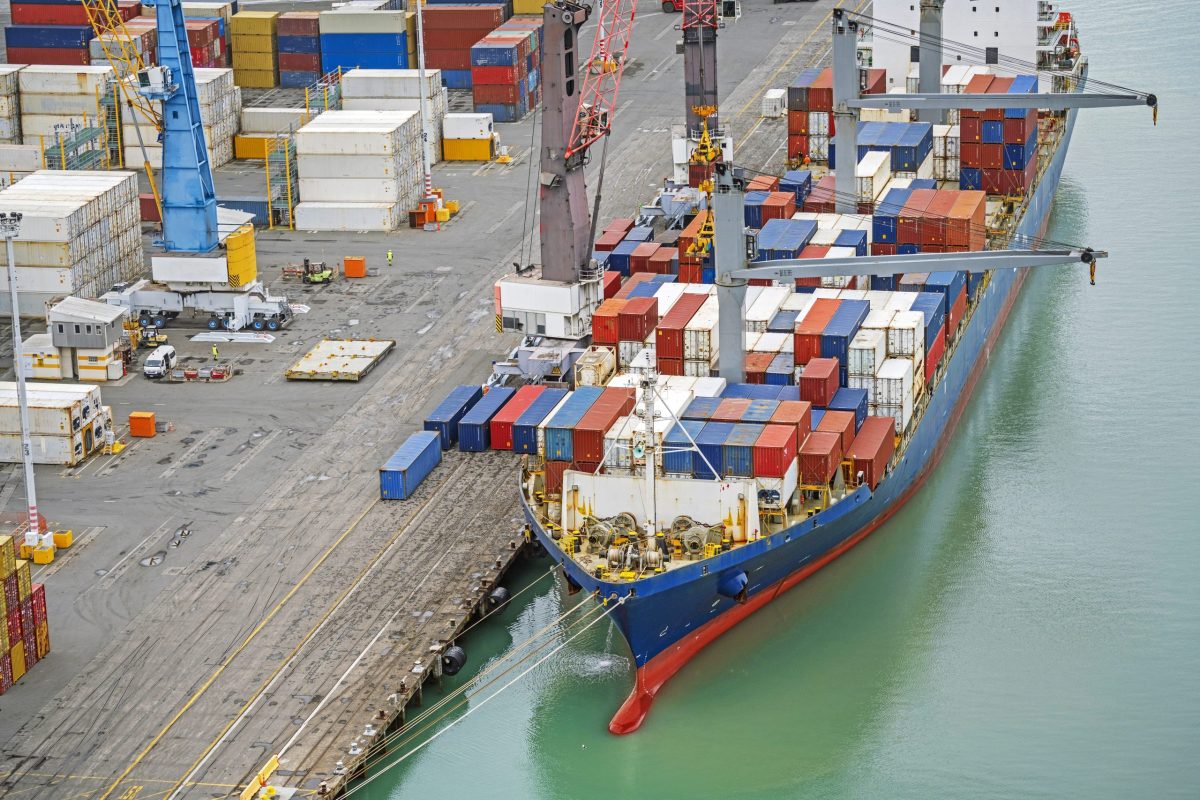 New Zealand sits at the far edge of the global trading system. When disruption occurs, it arrives here amplified. Photo: Getty Images
Opinion: There is something quietly absurd about a nation that feeds much of the world finding itself with nowhere to put its food.
The closure of the Strait of Hormuz has exposed a vulnerability few New Zealanders seriously contemplated: what happens when a country built to export food at scale suddenly struggles to move it offshore.
Subscribe to continue reading
Already have an account? Sign In.
Limited time offer
Newsroom Pro $199 for 12 months
Save $91 on the usual annual price
Unlimited access to Newsroom Pro articles
Bonus subscription for a friend or family member
Exclusive subscriber-only emails
Access to post and read comments on articles
Daily email of news and insights curated by Newsroom Pro editorial team
Looking for a regular or business subscription? View subscription options

Mary Watson‑Burton is a values consultant specialising in systems design and the creator of Inclusion Intelligence
More by Mary Watson-Burton

Eric Watson is a New Zealand entrepreneur based in Spain, with a keen eye on New Zealand’s place in global affairs.
More by Eric Watson


Start your day with a curation of our top stories in your inbox