

Friday, 22 May 2026, 1:56 pm
Article: RNZ
A
diabetes organisation is worried about the possible impact
of a Pharmac proposal to remove ethnicity as a criteria for
several type 2 diabetes drugs.
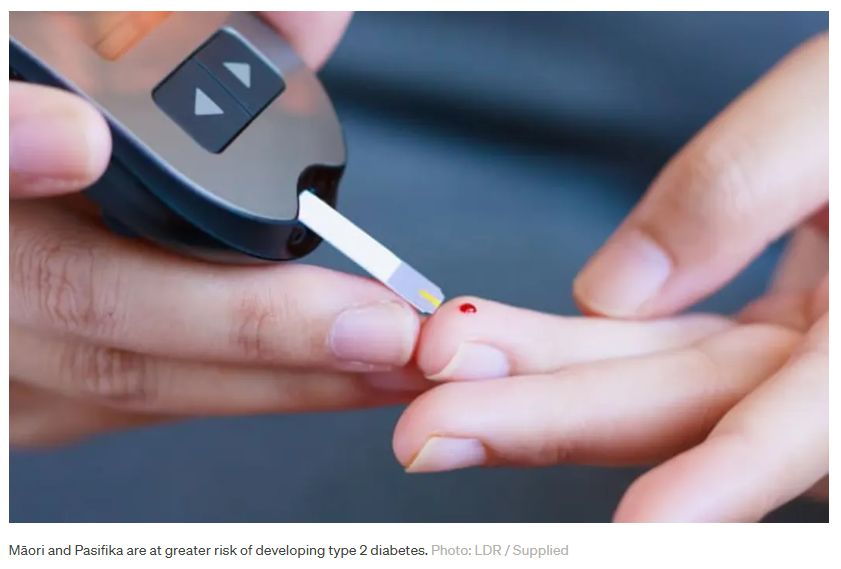
Māori and Pasifika are
at greater risk of developing type 2 diabetes, and in 2021
it was decided to prioritise access to these
patients.
Now Pharmac is asking for feedback on
changing the Special Authority access. It would reduce the
required level of cardiovascular risk for those with type 2
diabetes from 15 to 10 percent, but also remove
the criteria allowing Māori and Pasifika access without
having to demonstrate specific cardiovascular or renal risk
factors.
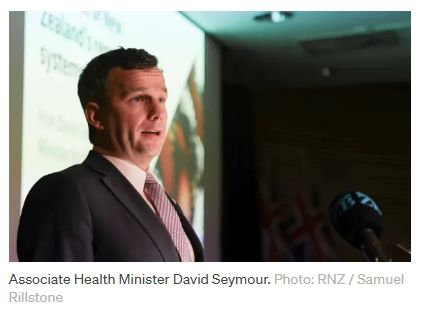
Health Minister Simeon Brown and
Associate Health Minister David Seymour said when people can
access their medicines easily, they stay healthier for
longer.
John Baker is chair of the Diabetes Foundation
Aotearoa and an endocrinologist at Middlemore Hospital. He
says the proposal feels like a great leap
backwards.
“I don’t know why the ministers have
decided to go down this path. I mean, there’s no logic to
it, really,” he told Nine to Noon on
Friday.
Advertisement – scroll to continue reading
The problem with that, he says, is the “other
people” will access the drugs based on a
probability of cardiovascular risk – not the proven
increased likelihood Maori and Pacifika have of developing
diabetic kidney disease.
Approximately one in 12
Māori have diabetes, and for Pacific people it is one in
seven – compared to roughly one in 20 Pākehā, co-chair of
Mahitahi Matehuka (National Diabetes Network) Dr Ryan Paul
told RNZ earlier this week.
Baker said there were
other drugs that targeted cardiovascular risk, but the
medicines affected by the proposed change – empagliflozin,
empagliflozin with metformin, dulaglutide and liraglutide –
are “the first drugs which have been shown specifically to
impact on diabetic kidney disease”.
Pharmac
says the changes would widen access for the greater
population, with 23,000 more people accessing the drugs in
five years’ time.
“The effect of the change that
they’re proposing is that the drugs will be given to people
who don’t have a risk of diabetic kidney disease,” Baker
said. “And that doesn’t make sense… given that there are
other drugs we can use.”
Consultation on the proposal
closed next week.
In a response to criticism of the
changes, Seymour said Kiwis “shouldn’t miss out [on
medicines] because of where their ancestors came
from”.
“If this proposal is approved, around 10,000
more people are expected to benefit from these medicines in
the first year, increasing to around 23,000 after five
years. We expect that around a third of those people will be
from Māori or Pasifika
backgrounds.”
New Zealand’s public broadcaster, providing comprehensive NZ news and current affairs, specialist audio features and documentaries.
Radio New Zealand is a Crown entity established under the Radio New Zealand Act 1995. Radio New Zealand News are vital elements in our programming, providing impartial news and information to New Zealanders every day. Radio New Zealand (RNZ) provides listeners with exciting and independent radio programmes in accordance with the Radio New Zealand Charter.