
There was a time when flagship smartphones felt ambitious. Every year brought something dramatic: thinner bodies, crazy zoom cameras, genuinely better battery life, displays that made older phones instantly look outdated. But lately, the premium smartphone market in India has entered a strange phase where brands are charging more while delivering upgrades that feel increasingly microscopic. RAM prices have climbed, storage tiers have become absurdly expensive, and somehow every launch event still insists AI wallpapers are revolutionary.
That is probably why the Oppo Find X9s surprised me.
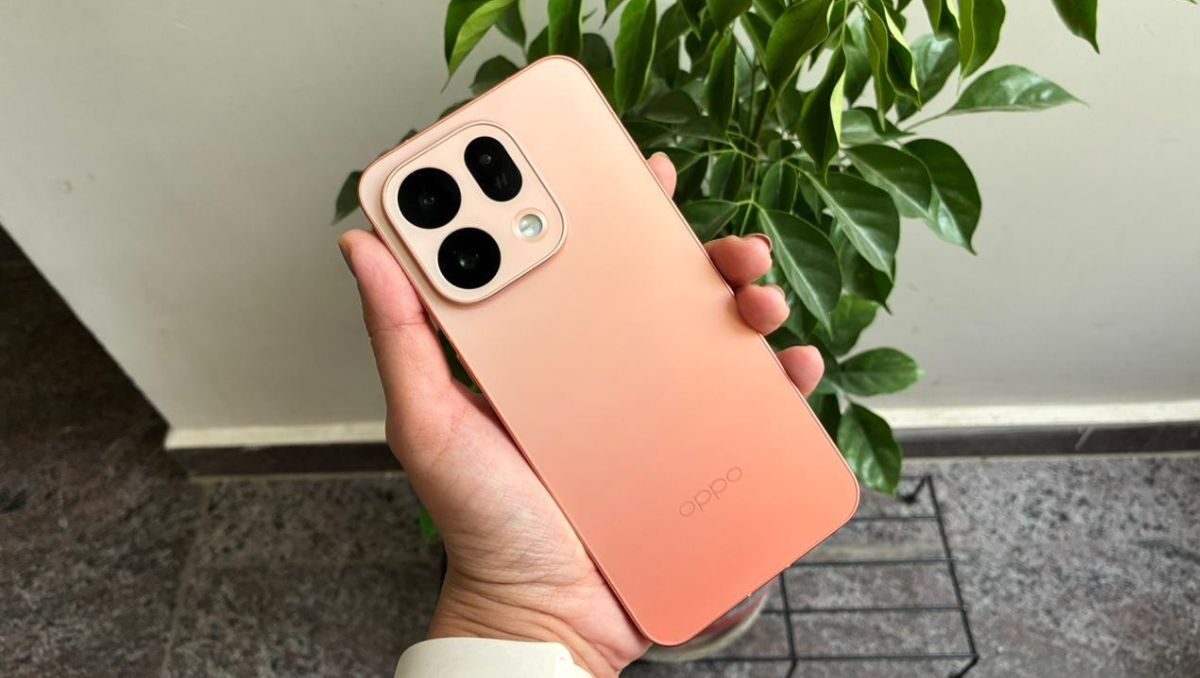
It does not try to manufacture excitement through gimmicks. There is no transparent back panel, no unnecessary RGB lighting, no “look what our AI can do” panic. After using the Sunset Orange variant for a while, the Find X9s feels like a phone made by people who understand that flagship buyers are tired. Tired of oversized camera bumps. Tired of aggressive image processing. Tired of phones that feel engineered mainly for YouTube thumbnails instead of actual daily use.
And honestly, that restraint became its biggest strength, and occasionally, its biggest weakness too.
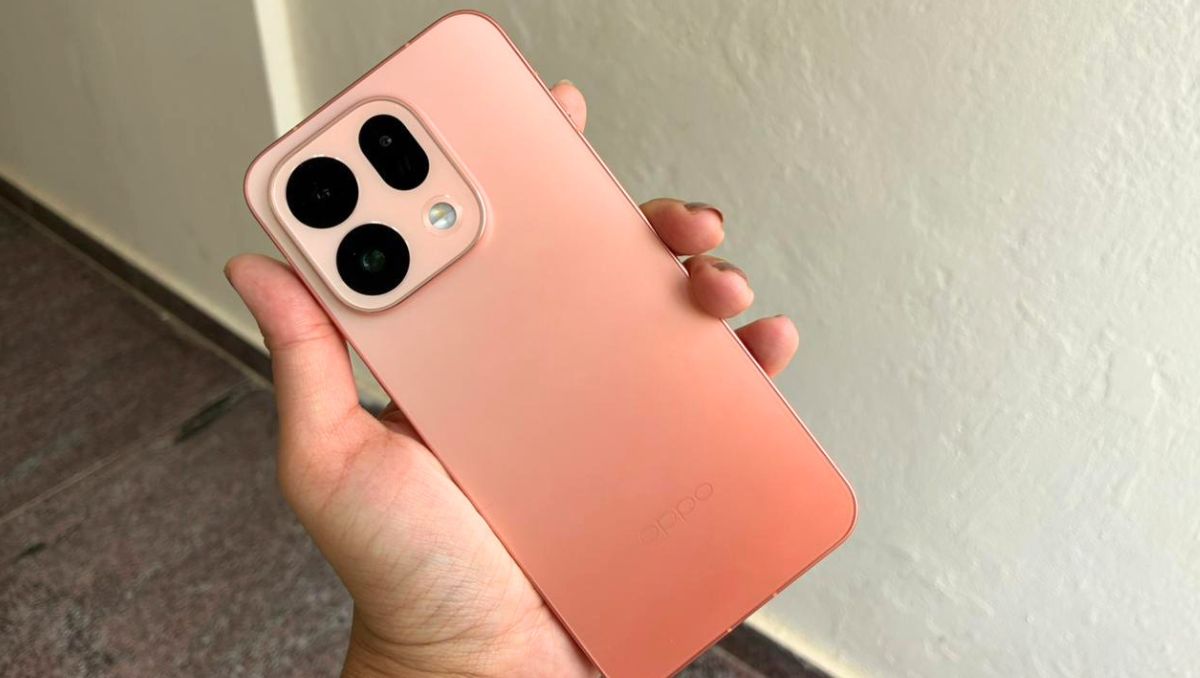
The Sunset Orange finish is exactly the kind of confidence more phones need. The Lavender variant is also a great option.
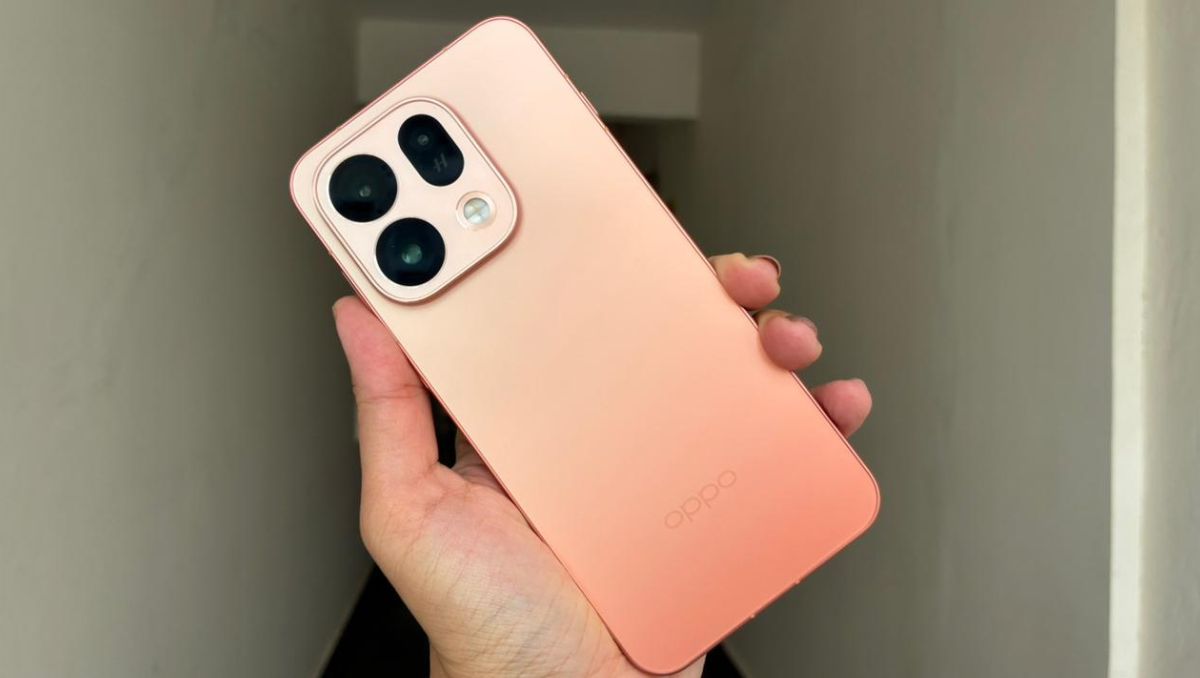
Most colorful flagship phones try too hard. They either look futuristic for the sake of it or become visually exhausting after three days. The Sunset Orange variant avoids that trap beautifully. It has warmth without looking loud, and the matte finish diffuses light in a way that makes the phone feel softer and more premium in the hand.
The hardware itself feels unusually thoughtful. Despite packing a huge 7025mAh battery, the phone never feels excessively top-heavy. The curves make long usage comfortable, and the camera module does not dominate the entire back panel. The display understands restraint better than most flagship screens
The 6.59-inch AMOLED panel is excellent in a very mature way. Oppo is not trying to punch your eyeballs with oversaturated colors or unrealistic contrast. The display looks rich, clean, and balanced. Watching Netflix, editing photos, or simply reading articles late at night all felt consistently pleasant.
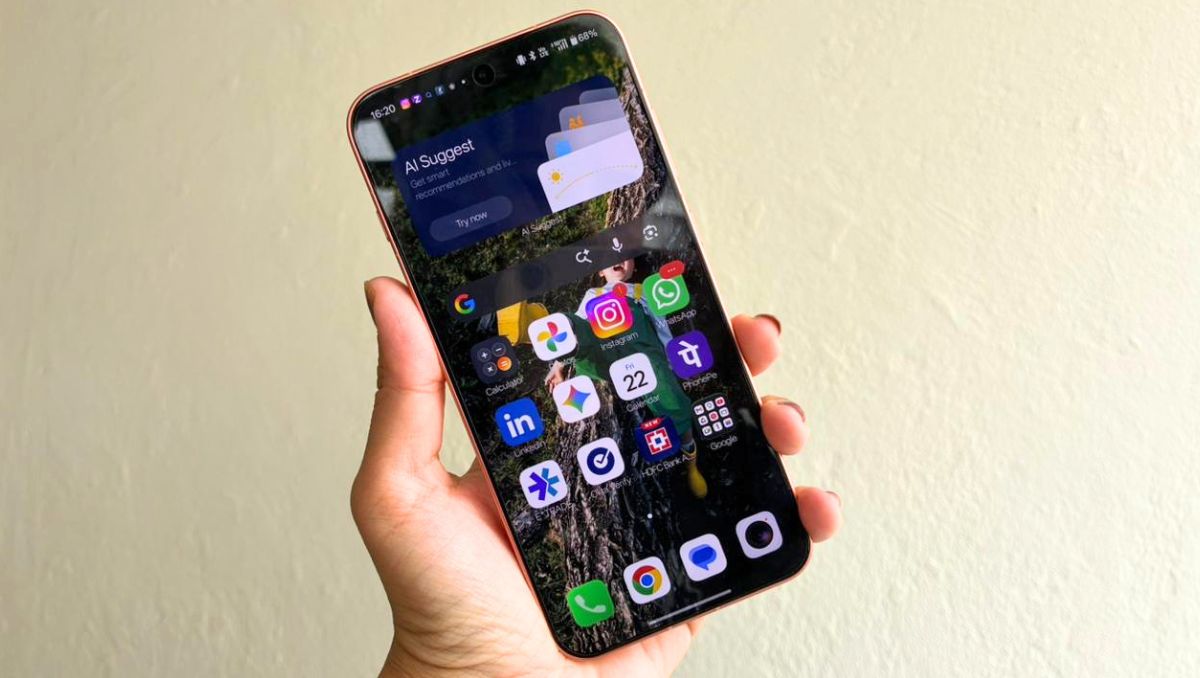
The 120Hz refresh rate keeps interactions fluid, but what stood out more to me was how natural everything feels. White balance is controlled well, HDR content avoids looking artificially boosted, and outdoor brightness is strong enough for harsh sunlight without turning the phone into a portable flashlight indoors later.
At the same time, this display does not have that immediate “wow” factor some ultra-premium phones create in stores. It prioritizes comfort over spectacle. I personally liked that approach, but some buyers equate premium with visual excess, and the Find X9s deliberately avoids that.
Performance is fast enough that you stop noticing it
The Find X9s runs on the MediaTek Dimensity 9500s chipset paired with 12GB RAM, and after the first couple of days, I completely stopped thinking about performance. Apps opened instantly, multitasking stayed smooth, gaming performance remained stable, and the phone handled heavy usage without turning uncomfortably hot.
That consistency matters more than benchmark screenshots.
I played BGMI for long sessions, edited images, used Slack to send messages, switched aggressively between apps, and used split-screen multitasking regularly. The phone stayed smooth throughout. Thermal management is especially impressive because the Find X9s avoids that frustrating flagship habit where performance peaks for ten minutes before collapsing into heat management mode.
Still, if you are spending nearly Rs 80,000 expecting absolute top-tier gaming performance, this phone plays things slightly safer than some performance-focused flagships. It prioritizes stability over raw aggression. Most people will appreciate that balance, but enthusiasts chasing maximum frame rates may find it less exciting.
ALSO SEE: Apple Reportedly Preparing For Second Bengaluru Store as iPhone 18 Launch Nears
ColorOS feels cleaner
For years, ColorOS felt like software constantly trying to prove how feature-packed it was. This version feels calmer. Cleaner. More confident. Animations are polished, multitasking works smoothly, and the overall interface finally feels cohesive enough for a premium flagship. The haptics are genuinely excellent too, tight, crisp, and subtle in a way that makes the entire device feel more expensive.
But Oppo still has not fully escaped Android’s old habits. There are preloaded apps that simply should not exist at this price point. Some UI elements still feel visually inconsistent, and notification management occasionally behaves a little too aggressively with background apps. The software experience is very good now. It just stops slightly short of feeling truly elite.
The flagship level photography
Modern smartphone cameras have become obsessed with fake detail. Every photo is aggressively sharpened, every night shot looks artificially bright, and every face gets processed into something halfway between a DSLR photo and a video game render.
The Find X9s mostly avoids that.
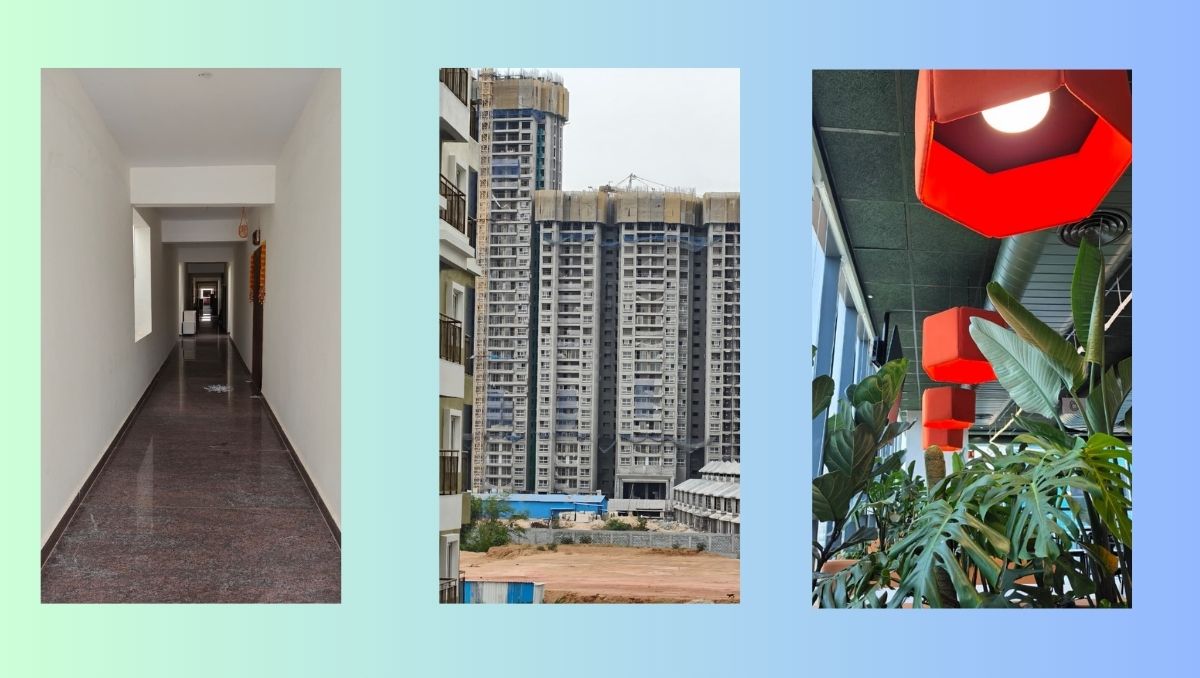
The triple 50MP camera setup with Hasselblad tuning produces images that look believable. Skin tones are excellent, dynamic range is strong without looking overcooked, and portraits maintain depth without turning faces into wax figures.
I especially liked how consistent the cameras feel. You can switch between lenses without the image quality collapsing dramatically, which still happens on surprisingly expensive phones. The 3x periscope lens is also genuinely useful instead of existing purely for spec-sheet bragging rights.
But the camera system does occasionally feel cautious. In low-light situations, the phone sometimes preserves realism at the cost of drama. Some users may prefer brighter, punchier night photos even if they look less natural. There is also slight shutter hesitation indoors while capturing moving subjects, which can occasionally lead to softer shots.
Battery life is almost absurdly good
The 7025mAh battery changes your relationship with the phone entirely. You stop managing battery life because you rarely need to think about it. On heavier days involving navigation, camera use, streaming, social media, hotspot sharing, and gaming, the Find X9s still comfortably lasted till bedtime with charge remaining. Moderate users can easily push this into two-day territory, which still feels rare in the flagship segment.
The 80W charging is fast enough that topping up the phone becomes effortless. Plug it in while getting ready and it gains enough battery to survive most of the day.
Which is exactly why the absence of wireless charging feels even stranger. At Rs 79,999, skipping wireless charging is difficult to justify. Once you use wireless charging regularly, especially on a premium device, going back feels inconvenient. This is probably the sharpest compromise on the Find X9s, and it stands out more because the rest of the experience feels so polished.
Verdict
The Oppo Find X9s is one of the most balanced premium Android phones I have used recently, but it is also a phone that makes its compromises visible the longer you use it. Wireless charging should absolutely have been included. ColorOS, while significantly improved, still carries traces of unnecessary software clutter. And for a phone positioned this high, the overall experience occasionally feels slightly too safe.
But maybe that safety is intentional.
In a market full of phones desperately trying to overwhelm users with louder cameras, brighter screens, and endless AI features, the Find X9s feels oddly mature. It focuses on comfort, consistency, and refinement instead of spectacle. The Sunset Orange variant especially captures that philosophy perfectly, stylish without being loud, premium without becoming sterile.
It may not be the most exciting flagship of 2026. But it is one of the easiest to keep using long after the excitement fades.
ALSO SEE: iOS 27 Rumours Suggest Apple Could Retire Support for Four iPhones: Check If Yours Is On The List