
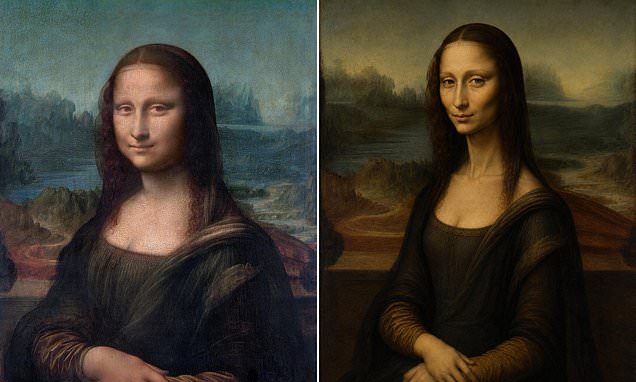
The enigmatic smile of the Mona Lisa has captivated audiences for over five centuries, but modern medical experts are now looking past her expression to diagnose her physique. The quintessential Renaissance woman, celebrated for her soft, rounded features, stands in stark contrast to the emerging aesthetic of the twenty-first century.
As revolutionary weight-loss medications like Ozempic and Wegovy sweep across the globe, medical professionals and art historians are warning that the future of portraiture will look distinctly different. What is at stake is not merely a shift in fashion, but a fundamental alteration of the human baseline. Millions of individuals are chemically altering their metabolic pathways, creating a demographic of visibly gaunt figures that will inevitably become the subjects of tomorrow’s artistic masterpieces, fundamentally challenging our historical understanding of beauty and vitality.
Decoding the Renaissance Physique
Experts analyzing Leonardo da Vinci’s sixteenth-century masterpiece have concluded that the subject, Lisa Gherardini, exhibited signs of significant metabolic distress. Medical historians argue that her physical appearance suggests she was overweight, likely suffering from high cholesterol, and potentially dealing with an underactive thyroid. A prominent visual diagnostic reveals signs of a lipid disorder, including a small fleshy lesion in the inner corner of her left eye and a swelling on her right hand.
In the 1500s, this fuller figure was not a medical warning sign but a canvas of prosperity. Caloric abundance was a privilege of the elite, and artists like da Vinci and later Peter Paul Rubens immortalized the fleshy, robust form as the zenith of feminine beauty. The soft jawline and padded cheeks were visual shorthand for wealth, fertility, and health in an era ravaged by famine and infectious disease.
Today, the socioeconomic indicators of weight have entirely flipped. The modern obesity epidemic, driven by ultra-processed foods, has democratized caloric excess, turning it into a public health crisis rather than a status symbol. Consequently, the pursuit of thinness has become the new marker of extreme privilege, fueled by a multi-billion-dollar pharmaceutical industry.
The Rise of the Chemically Sculpted Face
The aesthetic consequences of Glucagon-like peptide-1 (GLP-1) agonists are becoming increasingly prominent. While these drugs achieve miraculous reductions in systemic fat, they also strip essential volume from the face. The resulting look—characterized by hollowed cheeks, prominent jawlines, and sunken eyes—has been colloquially termed ‘Ozempic face’ by dermatologists and plastic surgeons.
To understand the sheer scale of this physiological shift, one must examine the market penetration of these drugs:
Global sales of GLP-1 medications are projected to exceed $100 billion (approximately KES 13.2 trillion) by 2030.Clinical trials demonstrate that patients lose between 15 to 20 percent of their total body weight within a 68-week period.Dermatological clinics are reporting a 40 percent year-on-year increase in patients seeking dermal fillers to restore lost facial volume.Historical data shows that nearly 42 percent of the adult population in the United States currently meets the clinical definition of obesity, a primary target market for these drugs.Art commissions for high-net-worth individuals have increasingly featured subjects utilizing these medications, documenting the rapid evolution of the modern facial structure.Bridging the Global Divide in Aesthetics
The ripple effects of this pharmaceutical phenomenon extend far beyond Western borders, penetrating urban centers across East Africa. In Nairobi, the demand for weight-loss injections has surged among the affluent class. A single month’s supply of semaglutide in high-end Kenyan pharmacies currently retails for approximately KES 35,000 to KES 50,000, effectively restricting access to a wealthy minority.
This dynamic mirrors the Renaissance paradigm in reverse. In Kenya, where traditional cultural norms have historically celebrated curvier physiques as indicators of well-being and maternal health, the infiltration of Western pharmaceutical thinness is causing a profound cultural dissonance. Urban professionals in Westlands and Kilimani are increasingly adopting the gaunt, chiseled aesthetic, reflecting a globalized homogenization of beauty standards.
Local nutritionists warn that the unprescribed use of these drugs in East Africa poses severe risks, particularly when the medical infrastructure to monitor metabolic changes is limited. The pursuit of the contemporary ‘gaunt’ masterpiece is driving an unregulated black market for GLP-1 counterfeits across the continent.
The Archival Record of Human Biology
Art serves as the ultimate archival record of human biology. Just as the Mona Lisa perfectly encapsulated the affluent health profile of the Italian Renaissance, contemporary portraiture will inevitably reflect the medicalized reality of the twenty-first century. Portrait painters are already noting the changing topography of their subjects’ faces, spending more time emphasizing angular bone structures and shadowed hollows.
The tension between natural biology and chemical intervention is poised to define the next era of visual arts. Future historians gazing upon the portraits of our time will not see the natural consequences of diet and exercise, but the precise, standardized efficacy of a weekly injection. The diversity of the human form is being streamlined into a singular, pharmaceutical mold.
When the masterpiece of 2026 is hung in a gallery centuries from now, it will not smile with the soft, well-fed mystery of Lisa Gherardini. It will stare back with the sharp, hollowed intensity of an era that chose to conquer nature through a syringe.