
It’s when the service quietly deteriorates while the price stays the same. Or worse – you need to pay more to restore features that used to come as standard.
Let me give you some examples.
My son was sitting on the couch watching Duck Tales (the 1987 version, don’t judge me) when he suddenly exclaimed “Mama, where have my duckies gone?!”
Scrooge and his money pit had disappeared because Disney was playing ads.
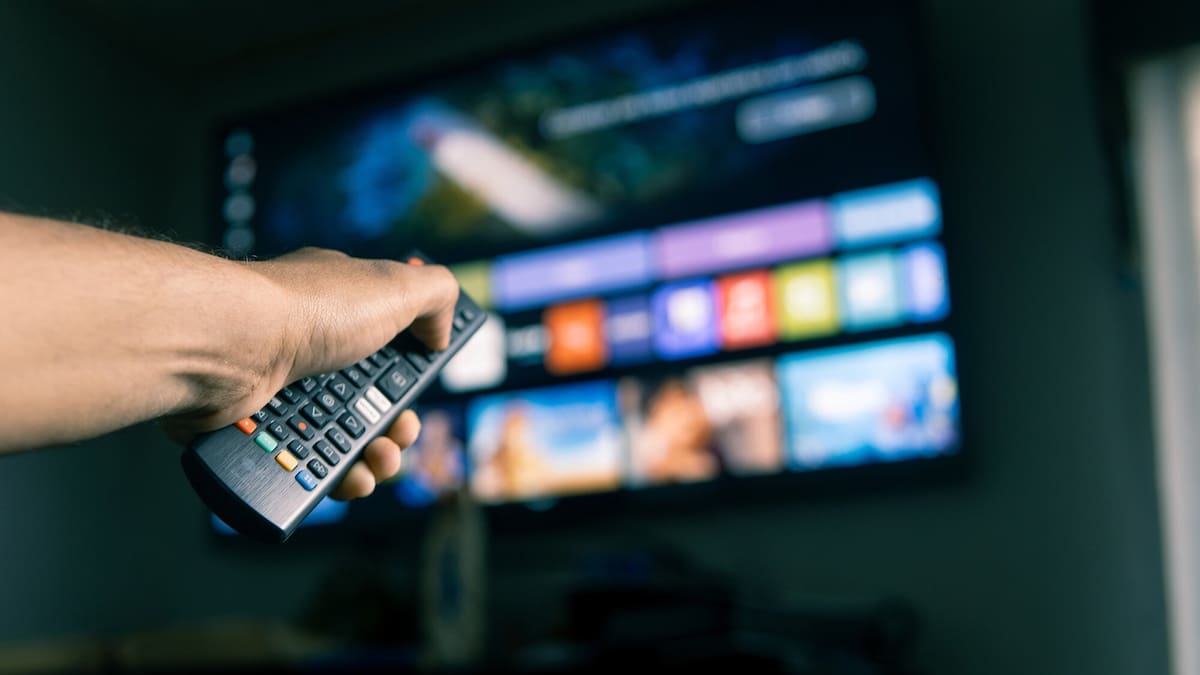
A paid TV subscription used to buy you freedom from advertising. Now Disney wants me to upgrade to a more expensive tier to unlock the ad-free experience that was once standard.
So, I’m subscribed to something that is no longer premium, but I still pay a premium, and if I paid a higher premium, it would again be a premium experience.
Other television subscription companies have either done the same thing, or are planning to.
Let me give you another example. Recently I decided to do something that’s a rare occurrence in our house – I ordered Uber Eats. (I’m not sure why I feel the need to justify it – but it was Mother’s Day and my husband was away!)
Consumers now pay extra not for luxury, but simply to recover the level of service that used to come standard. Photo / Getty Images
The restaurant was fast and the driver picked it up promptly, but then I watched the map as he drove our dinner around the surrounding suburbs for 61 minutes.
When he finally dropped it off, it was stone cold, and my kids had long been fed something else and put to bed. Happy Mother’s Day to me.
The app had a solution, of course. Next time I could pay extra for “priority delivery”.
I thought I was paying a delivery fee for the convenience of delivery – but instead, I must pay more to make that convenience less inconvenient.
(I can hear myself sounding very like my parents – “back in my day it wasn’t like this”.)
But perhaps this was inevitable.
Many digital subscription companies have followed a similar arc. To begin with, the priority was growth – they wanted to capture as much of the market as possible, as quickly as possible.
Investors effectively subsidised cheap rides, endless content libraries, and extremely convenient services. That’s what was required to get us hooked – and it worked.
Those investors now want a return on their investment, so those businesses need to actually make a profit. To achieve that, they’re searching for the tipping point – what is the maximum monetisation consumers will tolerate before they cancel?
But I don’t think this is confined to Silicon Valley subscription models – if you look carefully, you can see traces of it elsewhere too.
As customers quietly take on more of the work themselves, the savings rarely seem to flow back to them. Photo / Getty Images
Did your grocery bill go down when you started scanning your own items? Are the reward points that convinced you to choose your credit card still as generous, or do you now need to spend more to get the same benefit? I don’t remember flights getting cheaper when checked baggage became an optional extra.
To be fair, businesses are operating in the same economic environment that consumers are finding so tough. They’re struggling with higher costs and customers who are sensitive to price hikes.
Consumer NZ’s CEO Jon Duffy, says it’s a “lower friction” way of charging more. “Instead of saying ‘this now costs more’, businesses strip back the standard service and make people pay to get back to what used to feel normal. That can make the increase feel optional, even when it really isn’t.”
The danger is that premium, convenient – or even useful – levels of service have become a constantly moving target and chasing them is increasingly expensive.
The subscription economy thrives not on satisfaction alone, but on consumers being too busy to reassess what still offers real value. Photo / Getty Images
“It’s less about offering more value and more about extracting more from customers who are already locked in by habit, convenience or hassle,” Duffy says.
Everything is calibrated to extract just that little bit more, without us cancelling or – ideally – without us even noticing.
That’s also where your power lies though – noticing. I’m not going to suggest you cancel every subscription and make every meal from scratch, that’s not realistic.
But we do need to go back to noticing – because inattention is expensive. Notice what actually provides value, notice what is actually worth paying for – and notice what’s become so watered down that it’s a waste of your time and money. Ask yourself, if this service launched today, in its current form and at its current price, would I still sign up for it?
They’re certainly not relying on customer satisfaction to keep your business – they’re relying on inertia. On us being too busy, too tired or simply too stuck in our habits to bother comparing, reassessing, switching or opting out.
Which means taking the time to notice is one of the most valuable financial habits you can subscribe to.
Catch up on the debates that dominated the week by signing up to our Opinion newsletter – a weekly round-up of our best commentary.