
During a dilation and curettage (D&C) procedure to remove tissue from the uterus, she suffered a severe haemorrhage and needed an emergency transfusion.
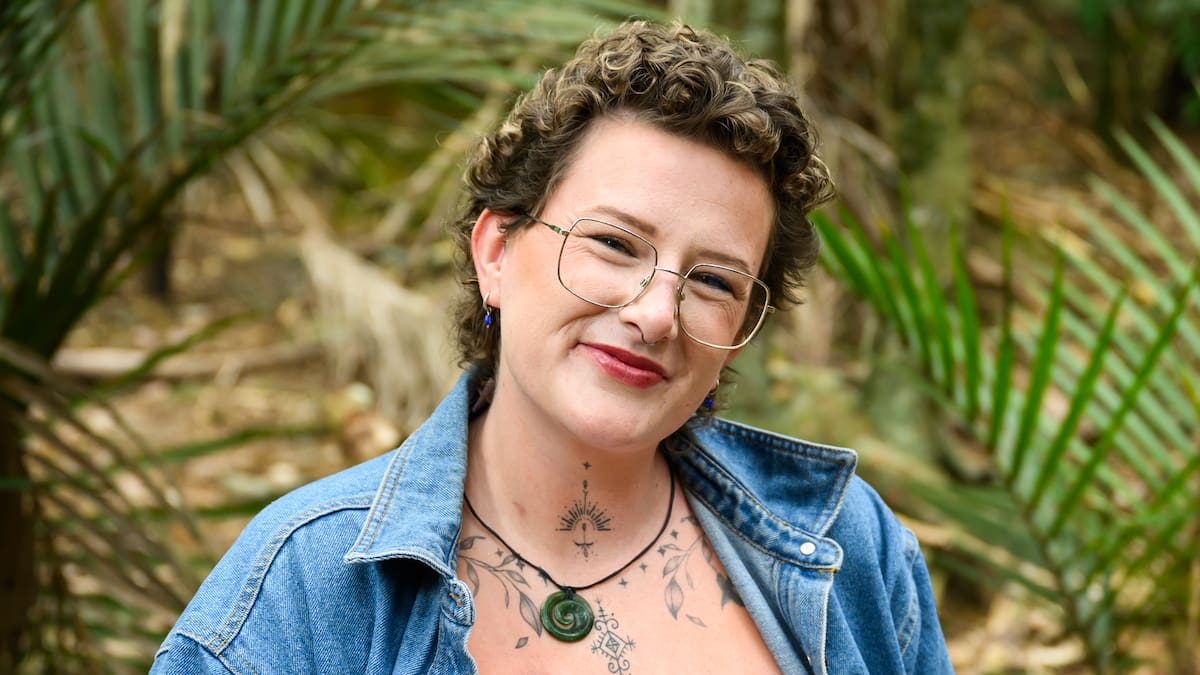
Samie learned she had molar pregnancy at 27. Photo / NZ Woman’s Weekly
Samie also had to undergo two further procedures to stop the bleeding, including having a balloon-like device inserted in her uterus, and another to ensure all the tissue had been removed.
A week after the final one, the promotions assistant for an Auckland radio network should have been starting to feel better, but something wasn’t right.
“I was cramping, I was bleeding, I was in pain and still nauseous,” she tells. “It was like my pregnancy symptoms, but amplified. I did some research and knew I shouldn’t have been feeling like that. I saw that with a molar pregnancy, there is a slim chance it can turn into cancer. I went to my GP and said, ‘I think I could have cancer.’ But she thought I had a type of depression and referred me to a psychologist.”
Samie was adamant her symptoms were physical, not psychological, and she went to the hospital the next day for a second opinion.
“I told them I thought it was cancer, but they tried to send me home with Tramadol. I said, ‘I’m not moving from this bed until I get some answers.’”
When her levels of hCG – the pregnancy hormone that is particularly high with molar pregnancies – were checked, they had risen since her D&C. “They should have dropped significantly,” she says. “I was sobbing – I knew it was a really bad sign.”
An X-ray and MRI revealed Samie’s intuition was correct – there were between 25 and 30 tumours in her lungs. She had a rare and aggressive cancer called choriocarcinoma, which develops in placental cells and is most common in women who have had molar pregnancies.
“Because it had spread from my uterus to my lungs, it was stage four and it was so aggressive, I had to start chemotherapy straight away,” she shares.
Samie with her mum and dad at her first chemo infusion. Photo / NZ Woman’s Weekly
Even that wasn’t straightforward. Her rheumatoid arthritis means she’s allergic to the usual chemo drug given to patients with choriocarcinoma. Samie’s doctors had to seek advice from experts in the UK before eventually finding the most suitable drugs to give her. The chemo had to be administered very slowly and sessions would take around 12-16 hours. During one session, she had an allergic reaction and passed out. She also became seriously ill after an infection in her portacath led to sepsis.
“I’ve definitely done it the hard way,” smiles Samie, despite everything she has been through.
After seven months of chemo, she finally received some good news – while she still has residual tumours in her lungs, they are not cancerous. She has blood tests every three months and if her hCG levels rise, she’ll go back on chemo.
Picking up the pieces of her life, Samie is grateful for the support from her partner, mum, nana and other family members. She says she’d have been lost without nurses from the oncology department at Auckland Hospital and the Cancer Society, who were only a phone call away when she was struggling.
Happy hugs from Samie’s mum Mellissa. Photo / Michelle Cutelli
Samie and her partner would like to try again for a baby, although she knows there’s a small risk of having another molar pregnancy. She tries to stay positive and says her experiences over the past 18 months have made her stronger.
“I’ve grown a backbone and I can say, ‘No, I’m not accepting that,’” she says. “I’m determined that one day, somehow, I will have a baby.”