
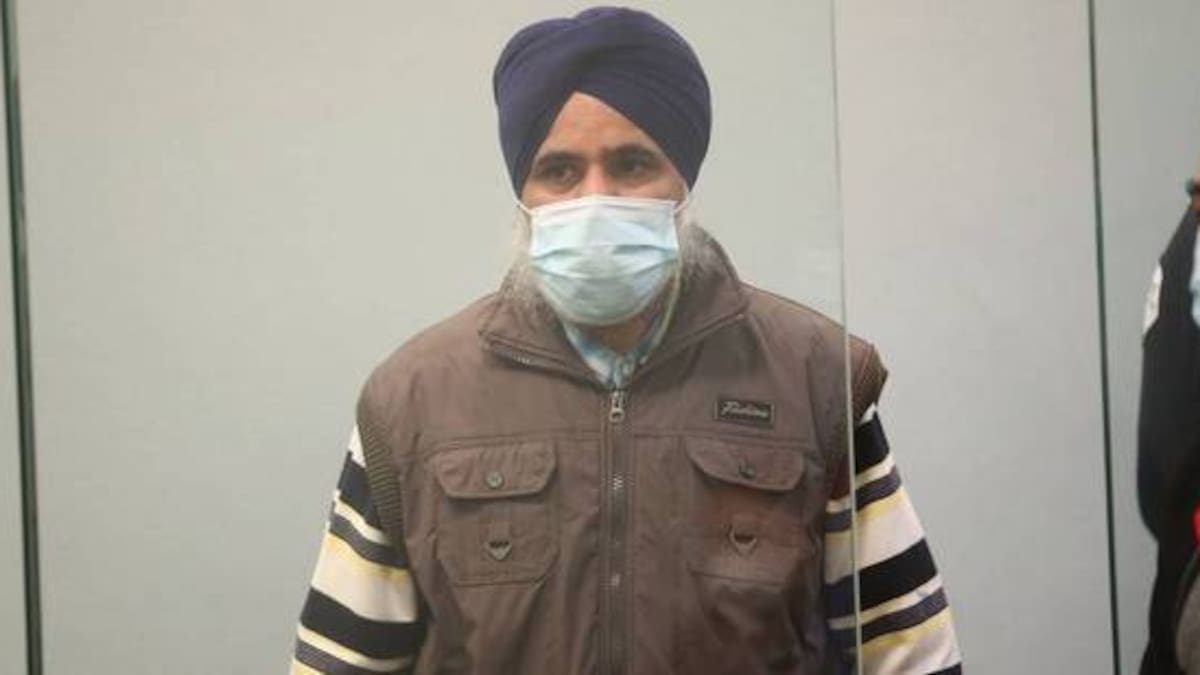
Singh had only been in New Zealand for seven years at the time of the killing, and was not eligible for parole until early 2033.
He was served with a deportation liability notice in April 2024 due to his conviction.
That same month, he lodged an appeal against deportation liability on humanitarian grounds.
According to a recently released decision by the Immigration and Protection Tribunal, which considered the appeal, Singh wished to remain in New Zealand once released from prison.
“In essence, he says that, if he were to return to India, he would have no support from family, he would be isolated from the community at large because of the stigma his conviction will carry and he is at risk of being harmed by members of Binderpal’s family, who have threatened him and his family members if he goes back,” the decision summarised.
Feared she would be killed by husband
Shortly before Kaur’s death, she told family she feared her husband would kill her.
She said she had been kicked and slapped by Singh, and she showed photographs of earlier injuries, which she said were at the hands of her husband.
On the evening she was murdered, Singh arrived at a friend’s home in a distressed state.
He said Kaur was bleeding from her nose and he had not called an ambulance.
The friend assumed Kaur had experienced a medical event and, on the way to the couple’s home, the friend called an ambulance.
Beant Singh was sentenced in the High Court at Auckland. Photo / NZME
The ambulance arrived at 9.20pm and Kaur was pronounced dead shortly after.
Authorities said the exact circumstances of what led to Kaur’s murder were unclear, but it appeared an argument ensued that evening after Kaur called family in India.
The couple had attended temple together earlier in the day and gone grocery shopping.
At Singh’s sentencing, Kaur’s family told the High Court at Auckland they believed Singh had punished Kaur for not being able to have children.
Court documents echoed this, stating the couple’s inability to conceive was a source of tension in their relationship.
The court heard they had been married for 10 years and moved to New Zealand in 2013.
Their relationship was described as “volatile”, and the killing occurred in the context of domestic problems, aggression, possessiveness, assertion of control, and violence from Singh towards Kaur.
Killer fears he would be harmed in India
In his challenge against his deportation liability, Singh submitted that the claimed isolation, stigma and risk of harm he may face if he returned to India amounted to exceptional circumstances of a humanitarian nature.
He claimed he did not know why he killed Kaur and said his behaviour was wrong.
Singh said he accepted full responsibility, had “reflected deeply on his actions”, and he understood the consequences.
He claimed he has been compliant with all conditions of his sentence and has had no disputes with inmates or prison staff.
Singh told the tribunal he was “well settled” in New Zealand, no longer had ties to India, and it would be very hard to return there.
“The stigma of being convicted in New Zealand would make it impossible for him to find employment or accommodation. He would have nowhere to live, no work and no family support,” the decision stated, referencing Singh’s submissions.
The tribunal heard Singh’s parents have both died, and he initially claimed to have only one sibling, but conceded under cross-examination that in fact he had seven siblings, of whom two are deceased, and the other five live relatively close to his home village.
Beant Singh appealed to the Immigration and Protection Tribunal against his deportation liability.
Singh alleged Kaur’s family had promised to avenge her death, and that “local gangsters” had threatened his brother that harm would come their way if Singh returned.
He provided the tribunal with statements of support from his brother, the leader of his home village, his former landlord and two former work colleagues.
The statements described him as hard-working, polite, honest and non-argumentative.
Immigration says stigma is inevitable
In opposition, a representative for the Minister of Immigration told the tribunal that while Singh would not, if deported, return to the life he had before, he retained significant ties in the village where he grew up and would have access to an adequate support system.
As to risk, if threats were made, they were made in the immediate aftermath of the death of Binderpal, when emotions were high.
“Anger would inevitably dissipate over time and the appellant has not established that he is genuinely at risk.”
There was no evidence Singh was at low risk of reoffending and he had not undergone any rehabilitation, it was submitted.
The minister’s representative argued Singh did not meet the high threshold for establishing exceptional circumstances of a humanitarian nature, nor would it be unjust or unduly harsh to deport him when the circumstances were weighed against his conviction.
After considering the submissions and hearing from Kaur’s family, who spoke of their ongoing grief and loss, the tribunal noted that Singh’s claim to face isolation if he returned to India was a central part of his appeal.
“It is clearly exaggerated,” the tribunal found, pointing to Singh’s failure to disclose he had more than one sibling.
“The appellant clearly withheld information about his family members to portray a misleading level of isolation upon his return.”
Singh spent 40 years in India, was familar with its society and customs, and has a sizeable extended family he could contact, the tribunal found.
“As to the question of stigma, no country information is provided about the impact of this within the appellant’s specific culture or in the area to which he will return,” the tribunal noted.
“In any event, the appellant’s actions in murdering his wife will attract stigma whether he is in this country or in India.”
The tribunal also ruled Singh had not established he was at risk of harm in India.
It noted that by the time he was released on parole, he would have spent a long time outside of India, but also away from the New Zealand community.
“The tribunal is satisfied that his primary nexus is still, and will remain, to India.”
In declining Singh’s appeal, the tribunal said the challenges he would face, including stigma and difficulty finding work, were an inevitable consequence of his conviction, not exceptional circumstances.
Singh remained liable for deportation once he was released from prison.
Tara Shaskey is an assistant editor and reporter for the Open Justice team. She joined NZME in 2022 and has worked as a journalist since 2014.