
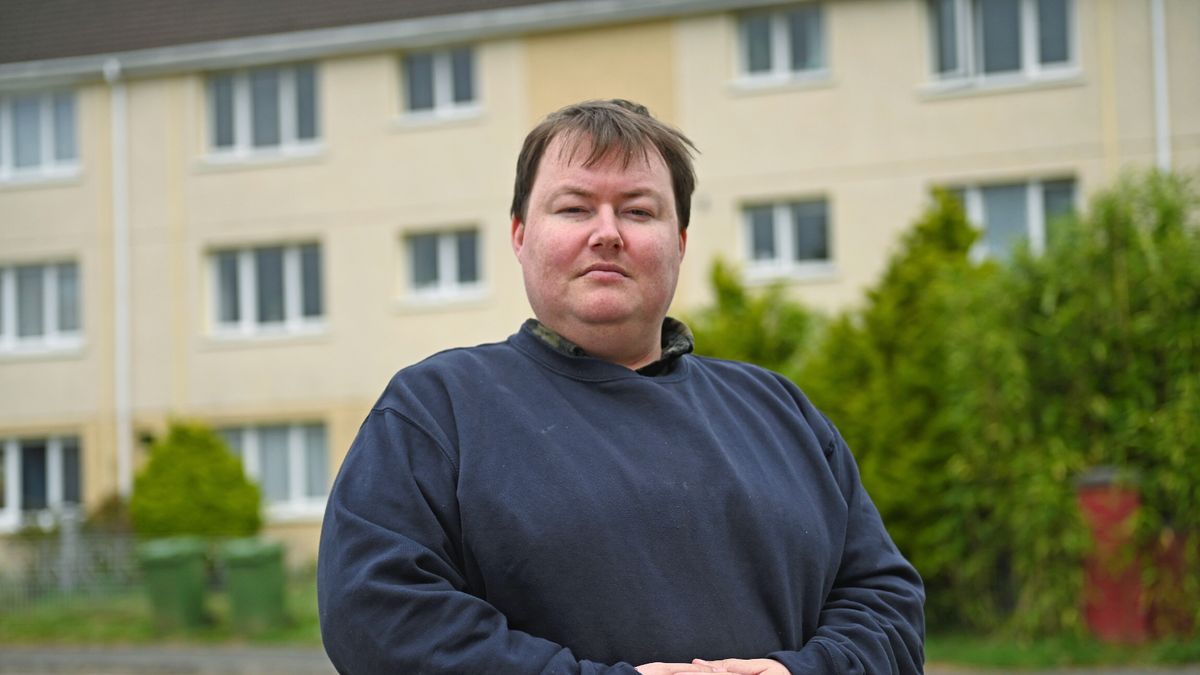
Aled Thomas said he would not be shamed into silence by those abusing him
Mounjaro campaigner Aled Thomas(Image: Richard Swingler)
A man who has spoken out to criticise the rules around obesity drugs on the NHS has hit out at trolls who have mocked him.
Aled Thomas had the funding for his Mounjaro jabs from the NHS withdrawn after two years and has been paying hundreds of pounds a month for the appetite suppressant, which he says he can ill afford.
The 23-stone man, who lost 20kg over the two years, said he was mocked with comments like “cut down the pies” and suggestions that people simply need “more discipline”.
Mr Thomas, of Penarth, said most people would rather suffer in silence than risk the kind of abuse he faced.
He said: “It takes a great deal of courage for people to speak publicly about obesity. Many suffer in silence because of the stigma attached to weight and body image. When people finally do speak openly about their experiences, they should not be met with ridicule or humiliation.
“The reality is that obesity is not always as simple as some would like to believe. It can involve complex interactions between physical health, mental health, metabolism, medication, genetics, mobility, lifestyle and socioeconomic circumstances.
“Certain medications prescribed for entirely separate health conditions can also increase appetite or contribute to weight gain, creating additional challenges for people already struggling with their health.
“These are realities that are often ignored in online discussions where people rush to judgement without understanding somebody’s circumstances. If obesity were merely a case of telling people to “eat less”, the obesity crisis would have been solved many years ago.”
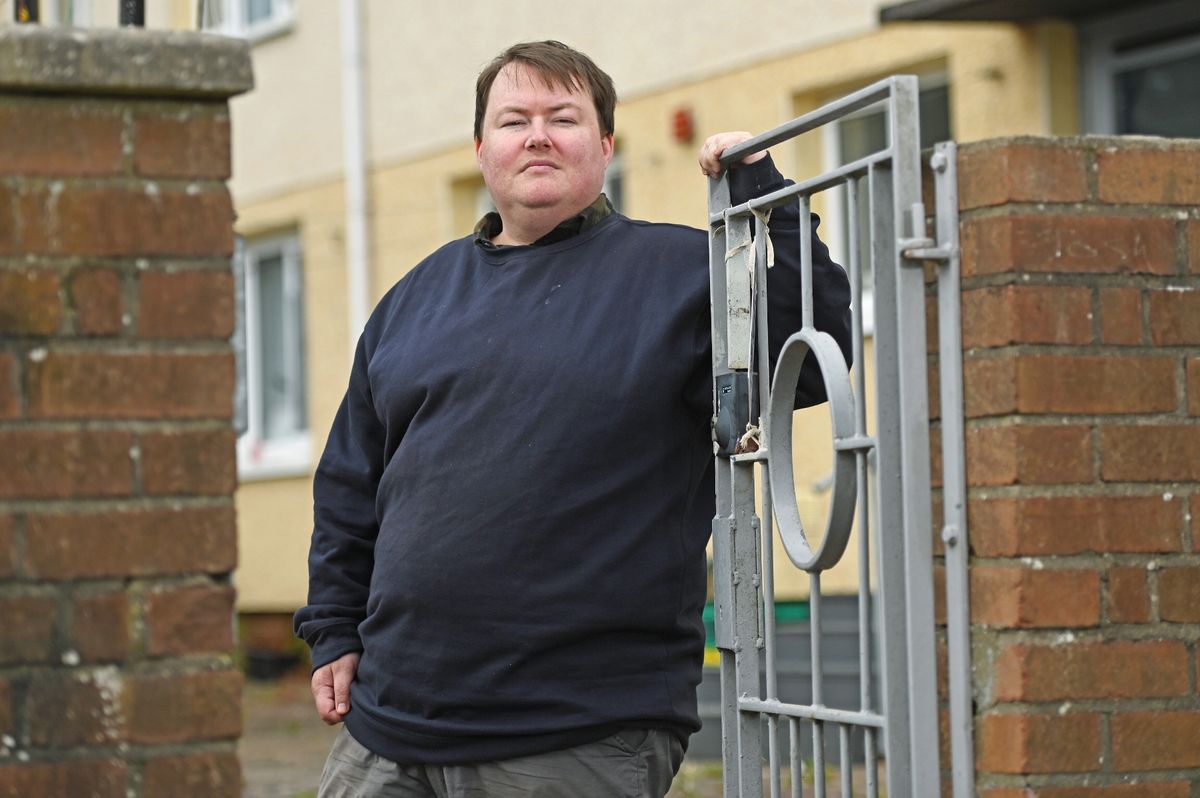
Aled Thomas(Image: Richard Swingler)
He added: “That is why the emergence of modern injectable weight-loss medicines has become such an important development in healthcare.
“Treatments such as Mounjaro have already transformed many lives and have the potential to reduce the long-term burden on the NHS by preventing other serious conditions associated with obesity, including type 2 diabetes, heart disease, strokes and mobility problems.
“However, there is another side to this debate which deserves serious attention. At present, many people who are unable to access these medicines through the NHS are forced into paying privately at enormous personal cost, often hundreds of pounds every month. This creates a situation where access increasingly depends on personal wealth rather than medical need.”
He said the Welsh Government should be supporting research to cut the costs of obesity drugs and he said the “tone of the debate” needed to change.
He said: “Mocking people struggling with obesity helps nobody. Compassion, openness and serious public discussion are far more likely to improve health outcomes than ridicule and stigma.
“I also want to make one thing very clear. Although I would still like to lose weight and improve my health, I am not ashamed of myself or my body in any way.
“Like many people living with obesity, I have spent years aware of the judgement that can come from society, whether online, in public, or sometimes even within healthcare itself. Speaking publicly about weight and treatment is not easy. It leaves people vulnerable to mockery and humiliation.
“But despite some of the comments I have received, I am proud of myself for speaking openly. I believe there is strength in honesty, and if speaking about my own experience helps encourage a more compassionate and mature conversation about obesity, then it will have been worthwhile.”
In Wales, weight-loss medication such as Wegovy and Mounjaro are only available on the NHS through specialist weight management services.
They are only available for a patients who meet specific health criteria and when the patient agrees to follow a calorie-controlled diet and take physical exercise, as advised by UK medications body NICE. The UK medications body estimates around 186,000 people in Wales could meet the eligibility criteria.
To qualify, patients would need to have a BMI over over 35kg/m2 and weight-related health conditions (comorbidities). If a patient loses less than 5% of their body weight within six months, there is a clause in the NICE guidance to ask medics to reconsider whether to continue providing treatment.
Tirzepatide (Mounjaro) costs from £133 for a low dose of 2.5mg for four weeks, to £333 for a high dose of 12.5mg fo four weeks.